Episode Transcript
[00:00:00] Jeff Atlas: Whether the budget is $10 or 10 million, I take it very seriously and I go deep into how to make this production work well. It's not guaranteed that the show's going to be good if you have just because you have money, you really have to put your creative into it. You have to have a pension for it. You have to have a knack for it.
[00:00:16] Ariana Drummond: Okay.
[00:00:17] Jeff Atlas: It's not for everybody. There's nothing like being at a live event and having a live experience in front of people. Whether it's a music festival or the Creative Honors or the image boards. It's nothing like being in the inner room where live entertainment is happening.
[00:00:31] Ariana Drummond: What does it take to run a production in real time? And how do you do it without a traditional set? Today we go inside the world of live event production with Jeff Atlas, Emmy nominated producer and founder of Backhand Productions, specializing in live television, large scale live events and variety specials. His credits include the Olympic ceremonies, NBA all star events, political events, and inaugurations and music festivals, award shows, including the NAACP Image Awards and more.
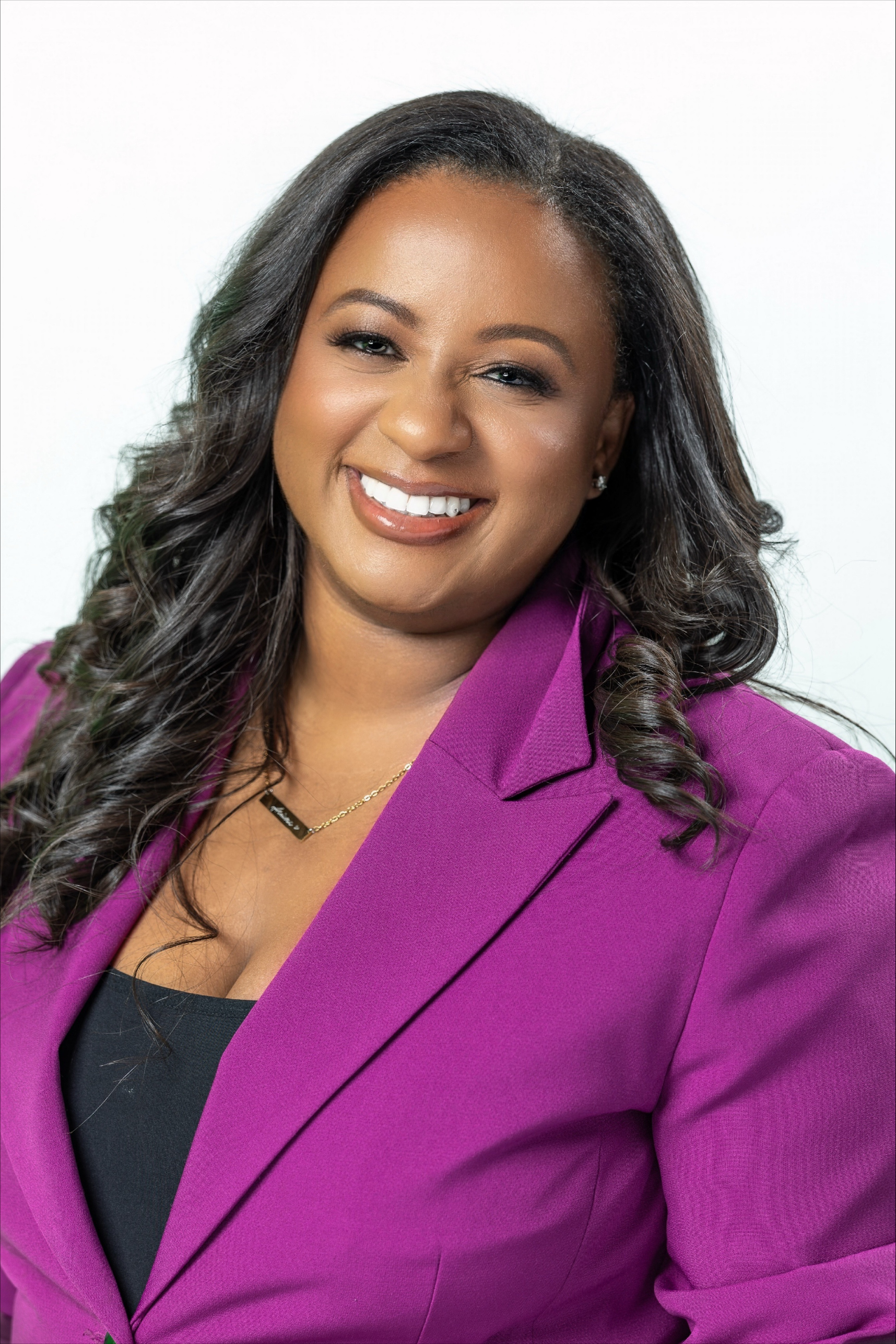
It takes vision and focus to bring events at this scale together. Tune in as Jeff shares how he worked his way from runner to executive producer and founder of his own production company. I'm your host, Daryanna Drummond. Welcome to NACP Inside the Industry.
Jeff, thank you so much for being here today on naacps Inside the Industry. How are you feeling today?
[00:01:22] Jeff Atlas: Great.
[00:01:22] Ariana Drummond: Nice. So I know we've worked together a lot on Image Awards, Creative Honors, also known as the awards dinner. You've worked at the Democratic National Convention, NBA Playoffs, and then also the Met Gala.
I know before we started, you said you had a little interesting story there. So tell us a little bit about it.
[00:01:40] Jeff Atlas: Okay, so last year, not this year, this one just happened last year, last week. But the met gala in 2025. I got this call from a friend.
His name is Ricky Minor. He's a legendary musical director and does like Oscars and Emmys and all kinds of big shows. And he goes, hey, Jeff, you're gonna get a phone call. I'm like, all right, okay. He's like, stand by. And so I got a call like an hour later and they said, hey, we're doing this.
We've hired Stevie Wonder to be this, the musical guest, surprise guest at Met Gala. Every year they have a surprise guest. No one knows who it is. To superly, super high confidentiality. And we need a producer to help do this in sort of in secret. Would you be willing to do it? I'm like, that sounds like fun. I had the time. And so we ended up doing all the logistics in very, very, very confidential, confidential way. And it was a great performance. I ended up meeting Stevie and he was great and his wife and his band was great. It was just a wonderful time to like experience something different like that. And I only got that call because my friend Ricky had trust in me as a experienced producer that he felt could handle it.
And it was just a wonderful experience. Something I never would expect it to happen, but it was a great experience.
[00:02:55] Ariana Drummond: Look, I love that. And also just the fact that you have those type of friends that'll put you on.
[00:02:59] Jeff Atlas: So that's great.
[00:03:01] Ariana Drummond: Yeah, an amazing experience. And then also with the Image Awards or Image Awards Creative Honors Dinner, I know that there was a special moment there. Talk to us a little bit about that.
[00:03:09] Jeff Atlas: Well, you're involved in that.
[00:03:10] Ariana Drummond: Yeah. Woo.
[00:03:12] Jeff Atlas: So we honored or the NAACP decided to honor Pastor Jamal Bryant.
And so we spent a lot of time figuring out and working on his, his, his honoree moment, which would include obviously he comes out and gets remarks. And then we did a, we did a video package kind of explaining and setting up who he is.
And that took a while to kind of craft and get, get right. But we also felt like since he is a pastor, we should do some sort of musical, something in there, a tribute of some sort. And so we're like, you know, what kind of song is it? Is someone singing? Is it a church song? And so with our, with the help of Marty, our musical director, we decided to create like a gospel number. And so we would do the package first and have that play and then go right into this musical number and then have him come out and accept. So this musical number that we chose was a song by. It was a gospel song.
What's it called?
The Lord is Blessing Me.
And it's a, it's a well known gospel song in a lot of black churches. And so this. We had an artist that you helped find us. Yes, his name is Molly Music.
[00:04:20] Ariana Drummond: Love him.
[00:04:21] Jeff Atlas: And he came out and did that song and we knew it was going to be good.
[00:04:27] Ariana Drummond: Yeah.
[00:04:27] Jeff Atlas: But we had no idea it was going to be like a thing, A whole moment. A moment. And what happened is he did this song and then people started getting up, they started praising and then when the song was supposed to be done, people were still praising and like, well, the song's over. And so I'm like on the, I'm on the comm system with the director Leon Knowles and like, it's still, it's still Jumping out here. Bring him back out. Let's do a reprise real quick. Bring it back out. And so the band started playing again and he came back out and did like another minute and a half of the song and people were dancing in the aisles and it was like, wow. It became like a church moment. Almost like a little revival there.
[00:05:03] Ariana Drummond: It's such a beautiful.
[00:05:04] Jeff Atlas: It was great. And then Karen Bonkin Towns and. And then the present CEO came out and they were like clapping and doing it and like, and she said something about like, God's good and you know, a whole thing. It was a church moment and it was like something you could never, you can't, you can't plan those things. Yeah, that one was very organic and just a moment that was like, became a thing and that night and was very, very special moment. So it just like organic and it just, it was beautiful.
[00:05:33] Ariana Drummond: I, I love that. And then also just to be a part of that moment, like we were backstage and I just remember him running past and running. I was like, what's happening? And I just hear all this. But even the social moments that happened afterward, I saw Colman Domingo and then I forgot a couple other gentlemen in the front who were just. It was just so beautiful. And then I was telling you about.
I think Wumi had said something afterward about just having that safe space and that moment of just like black culture and us being like at our little own cookout or a little on like just experience was just such an amazing moment.
[00:06:05] Jeff Atlas: It does feel like a little. Even though you don't know everybody, it does feel like a little bit of a family reunion when you get there. It is a comfortable atmosphere and that's something that we try to create when we do a show like that. And it's. That comes across with the who. Who the hosts are, what the script is like, you know, what the script is saying, how it's. How it's coming across to the, to the, to the guests, the music, the live music, everything that we do tries to push toward having a special atmosphere created for that show.
[00:06:35] Ariana Drummond: I love that.
[00:06:36] Jeff Atlas: Yeah.
[00:06:36] Ariana Drummond: So talk to us a little bit about maybe what you have coming up next.
[00:06:40] Jeff Atlas: My next big project is with the National Urban League.
We. I've been doing their national conference every year, which travels every year. This year happens to be at the end of July in Nashville.
And so what I do for them is I produce all the stage contents they have. Like it's a week long conference and you know, National Urban League has been around for 100 plus years and they do a lot of great work, lobbying work and health care and education and home, home mortgage rights and things like that. And so they, they're very involved in a lot of activism work.
And so I produced the conference from a technical specific perspective. And so I'm in charge of all the staging, all the screens, all the playbacks. Everything you see when you come into one of their events, that's, that's something I'm responsible for.
[00:07:27] Ariana Drummond: What are you excited, I guess, most about it? Or do you, are you. What are you most looking forward to?
[00:07:31] Jeff Atlas: It's always, it's always a great experience with, with them.
And they're, they're. What I try to do is, is try to get the passion of what they feel.
[00:07:40] Ariana Drummond: Yeah.
[00:07:40] Jeff Atlas: Sort of like, you know, delivered on stage.
And one thing we're trying to do, we're doing more, we're going to do some more vodcast, like this kind of thing.
[00:07:48] Ariana Drummond: Oh, nice, nice.
[00:07:49] Jeff Atlas: Yeah, some more, more conversations, more one on ones.
And I think we'll have some great entertainment and some great honorees. They do like an event called Women of Power, which is great. They have. Mark Morial will give his keynote address. And so it's, it's an important week in civil rights in the, in the country this year.
[00:08:08] Ariana Drummond: I love that. Well, we're excited to see it.
[00:08:10] Jeff Atlas: Yeah, it's good. Good.
[00:08:11] Ariana Drummond: So I want to pivot a little bit about. To your humble beginnings. You've had a very unique path from PA to executive producing and now running your own company, which is Backhand Productions.
Have you always envisioned that you'd be producing scales at this size?
Like, was this always a part of your vision?
[00:08:28] Jeff Atlas: You know, I thought I could even from an early, you know, you know, 22, when I got out of college and I, I wanted to go right into production, which is kind of a, kind of a bold move because there's no. The thing about production. What I decided to do, you know, there's, it's, it's a, it's kind of feast or famine and you really are on your own.
But I did feel like I, I had the ability to do it at a young age. And watching some of the producers that I've worked, worked for coming up, I felt like I had the ability to do it, but, you know, didn't know how that would manifest exactly.
But I watched and learned from producers along the way, like Don Misher, who was a legend who just passed away. Rest in peace, Don Misher and Ken Erlich and Hamilton Cloud, who started the Image Awards. I worked for Hamilton for many years on the show.
On the Image Awards show, the main show, Vic Bullock. I mean, there's some guys that I really learned from and watched, but I always felt that I could, you know, I could do it. Yes.
[00:09:29] Ariana Drummond: So talk to us a little bit about your path to building the company. Like, how did that start, you know, how did you get your start in working in Live Image?
[00:09:39] Jeff Atlas: Well, I got a degree in business from Cal Poly, Pomona Alma Mater. And then I decided, you know, I want to go into production. I didn't know anybody. I didn't know anybody. One of my friends was a page at Paramount, so I sent her my resume, which had basically nothing on, had my name, and I went to school and that was about it. And. But I got a call to be a PA on this variety special for Dick Clark Productions. And at that time, a lot of my colleagues who were my peers, we all worked at Dick Clark at some point. It's kind of inside joke. Like, what years were you there? Because everyone kind of went through Dick Clark at some point. So I worked on this show called the 7th Annual Soap Opera Awards which ended up getting folded into Daytime Emmys. It's later on. But I worked on that show as a runner. And what I would do is I would come in, in the morning and they literally gave me, like, a stack of tickets to deliver to various publicists and things. And they said, okay, I'll see you later. And I was like, okay. And I just drove around town, la, Just dropping off all these tickets and everything. And it was like, I had some moments where I was like, what am I doing?
Like, this is insane. This is, like, crazy. It's hard. It's lonely. You know, there was. There's no GPS at that time. You had your map.
Old school. This is. This. It's called a Thomas Guide. You ever heard of that?
It's like a map that you have to look and see where I go. Here's Wilshire, here's, you know, here's La Brea. And you have to just find your way around. So I was literally, like, coming at nine and I'd be gone till five, just driving around L. A.
It was insane. Anyway, so I did that for a few shows and then I got to work on the American Music Awards, which was another Dick Clark show at the time. And then when I saw that American Music Awards rehearsals, I was, like, hooked.
[00:11:26] Ariana Drummond: Yeah. Like, this is what I want.
[00:11:27] Jeff Atlas: I was like, I can. I want to do this. I don't want to do anything. Else, this is what I want to do. I saw Kirk Franklin, I saw Bono, I saw In Excess, I saw Janet Jackson, Mariah Carey performing their songs, like, on the stage. And I'm like, standing right there, and they're right there. And I was like, this is exciting. And so that kind of gave me the bug, and that kind of started on my path of wanting to work in live production.
[00:11:53] Ariana Drummond: So with your production agency now, how do you decide what clients are a good fit for you now? Or how do you decide what's, like, which projects to work on?
[00:12:03] Jeff Atlas: Well, that's a good question. A lot of times it's a.
It's a. Do I feel like one. Can I pull this off? Is it realistic? Is the budget realistic? Are they asking me to do a lot for not enough? It's like, well, I can't do that. Another one is just a moral compass piece. There are some shows that I that say, you know, hey, you might be good for the show. And I'm like, what is the show? And I find out. I'm like, I don't think I'm right for that. There's some things I just won't do, and I have to kind of keep that. You want to know what it is?
[00:12:36] Ariana Drummond: Yeah, if you don't mind.
[00:12:39] Jeff Atlas: No, like, I. I personally could never do. And this is no slight to people who do it because there's a. There is a market for it, but for me, I have to have a more purpose driven.
I can never do, like, a show where the people, like. Like a housewife show.
[00:12:52] Ariana Drummond: Got it.
[00:12:53] Jeff Atlas: I couldn't do, like a fighting.
[00:12:54] Ariana Drummond: Yeah.
[00:12:54] Jeff Atlas: Arguing.
[00:12:55] Ariana Drummond: Yeah.
[00:12:55] Jeff Atlas: Bickering. Type of show. I just. It would just suck the soul out of me.
I couldn't do it. So I have to, like, you know, I. I have to find shows that I feel like, hey, I can contribute to this. I can make this sing.
[00:13:08] Ariana Drummond: Yes.
[00:13:08] Jeff Atlas: I can make this a better show or. Or a great show based on sort of my angle. My producing team, you know, they have a budget of like, say, $10, but it's really like, it needs to be 15.
I can think I can stretch that and make this work. And so those are the kind of shows I pick. But now that I've gotten, you know, some years behind me, I'm really interested in what's going to be purposeful, like, you know, like the Met. Gallo. That was fun.
It was. It was. It was incredible experience. It's a crazy scene. It's, like, really, like, bizarre because of all the crazy outfits and things, but it was A great experience, you know, and I'm looking for those experiences that for myself, but also, like, what can I. How can I create great experiences for the audience or the client? You know, like, I think I told you earlier that I did some work for the NBA and I may work for them again soon. Hopefully, you know, they're a great client. But some of the things that we did for NBA were very specific music performances that were during COVID which was very hard to do. But I'm very proud of that work and that. So that kind of, that was a great match. Like, hey, we need music performances. I love live music. I love, you know, working with talent and kind of create something special, special occasions. And so some of them, some of those things where we actually have a chance to like breathe really good life into a project. That's. That's something that makes me excited to do.
[00:14:29] Ariana Drummond: I love that. I love that. And you are a Emmy nominated producer, so claps on that. But do you remember where you were?
Like, who told you about it? How did you feel in that moment?
[00:14:42] Jeff Atlas: So I got Emmy nomination for actually 2024. There was a PBS special called the Los Angeles County Holiday Celebration. It was on pbs and it's three hours live, which is a lot.
And it's not like, it's not like, you know, talent you might see on an award show. They're local talent from all around Los Angeles. So you've got varying degrees of experience on stage. And it's a live show. It's very, very difficult. And so that experience was really hard because it's three hours live. Live, live.
There's no turning back. But we got an Emmy nomination and it was very nice. It was very special.
But it's not like a driving force. But it was nice to have that honor.
[00:15:27] Ariana Drummond: So you talked about it being clearly, of course it's very difficult. But talk to us a little bit about maybe one of your most high pressured moments. Do you think that was it or do you have anything else that you want to share? And then also high pressure moments, but also maybe one of your most rewarding moments.
[00:15:43] Jeff Atlas: Well, there have been higher pressure moments are. And this has happened a few times in various shows is when you're in the middle of a show and you have to pivot because a talent is late or, you know, stuck on a tarmac somewhere and couldn't make it until in time. This is, I mean, this is real. Yeah, you have to figure out like what to do. How do you move a show in the middle of it? Like how do you change?
[00:16:06] Ariana Drummond: Oh, no.
[00:16:07] Jeff Atlas: Yeah. So. And this actually happened on the Creative Honors with you.
One of the talent couldn't show up, and so we had to figure out what to do in the moment. Thankfully, we had about 20 minutes or half an hour before they were supposed to be on stage.
So what we did is we, instead of having the two presenters, we had the presenter present with one of the hosts. We sent one of the hosts back out, change the copy and the teleprompter to be, you know, to. To fit her as opposed to the male presenter that was going to be out there and sort of rejigger the performance. I mean, rejigger the presentation. So it fit the talent that we had.
[00:16:46] Ariana Drummond: How do you deal with that stress?
[00:16:49] Jeff Atlas: Well, first of all, I tell the director and the associate director, here's what's happening. They're not coming. Here's how we pivot.
And then I have to go to the writer, who's Belma Johnson, who wrote the show, and I go to him and say, hey, we need to pivot this piece because of this, this, and this. He goes, okay. So he goes over there and writes a different intro for it, changes the intro, run it over to teleprompter, put it in teleprompter, make sure the ad associate director can see it and make sure it flows correctly, and then make sure the stage managers also know, so they know that, oh, the person not coming, the host is going to go back out and do this other bit. So it's just like a little bit of a choreography happening behind the scenes, and no one knows. No one cares. It happened smoothly and no one ever knows.
[00:17:32] Ariana Drummond: Do you think it gets easier because you've done this for such a long time? Do you think it ever gets easier? Are you a lot more acclimated with it? Like, okay, we can do this. We can just change this up. Okay, that's great.
[00:17:42] Jeff Atlas: It gets. It's. It's still stressful, but it does get. It does get easier. It's never routine depending. Because the situation could be different every time.
[00:17:51] Ariana Drummond: Yeah.
[00:17:52] Jeff Atlas: But it does get easier to handle those stressful moments because you've been there before.
And I think part of the reason that it's been. I've been decently successful doing these kind of crazy shows. The live shows are crazy. Is that I have a temperament that stays calm. And so I'm not freaking out.
I'm not screaming and running around like crazy, because if I was, then my team sees that, and that's not. That's not Good leadership. In that moment, I need to be able to be the calm one, make the decision quickly, and then pass out the information and say, okay, you do this, you do this, you do this. And the people that we hire on those shows are all, like, professionals. I mean, they've done this. This is their career, too.
[00:18:33] Ariana Drummond: Yeah.
[00:18:34] Jeff Atlas: So they know how to do this. It's just like, you know, who's going to make the decision? I get. I get a call from you saying someone's not showing up. I get a call from, you know, one of the executives saying someone's not showing up. They're late, remove their award. You know, so I'm used to that, but I have to make that decision and then relate to the team to say, like, here's what we're going to do. Here's how we fix this. And no one knows.
[00:18:53] Ariana Drummond: Yeah, I need to take a page out of your book because I know myself and I'd be, like, frantic and running around like a chicken with their head cut off.
[00:19:00] Jeff Atlas: So, no, that's. That's actually been my saving grace in this whole industry, I think, is just being able to be calm in this, in the eye of the storm. And that's a lot about leadership and things, too, we can talk about. But, like, being able to be sort of the decision maker with a calm head and rational decisions in the crazy moment is like, you know, I think it's one of my traits.
[00:19:23] Ariana Drummond: Good. Amazing. Clearly, because you've been. Look, you've been able to get booked and busy, so that's amazing.
Tell us maybe one of your favorite parts about seeing a live event come together.
[00:19:34] Jeff Atlas: You know what? It's like a. It is like a rush. It is a satisfaction that's, like, heartfelt. That's hard to explain.
When it. When a show goes so well like that, that you've been working on for months, it is a. It is a satisfaction that I can't really describe. So, you know, it's like a. It's like a positive drug.
Is that a thing? Yes, it's like a positive drug where you feel like you've. You've worked. You worked so hard. And the satisfaction that you have of seeing it come together and seeing it work successfully is hard to duplicate for me. So that is something that I pride myself on. And every show that I do, I take it very seriously. Whether the budget is $10 or 10 million, I take it very seriously. And I go deep into how to make this production work well.
Everyone from the staffing who we hire, the creative working with the clients and the network, wherever it is.
Like, I have to take it very seriously. So I do go into a bit of a tunnel for those, especially for those last few weeks, as we're getting close to making sure that everything is, is. Is going well. But that's what you kind of have to do. Like this, this is not a, a. You don't get a lot of second chances with clients and with shows. And so you really got to deliver every time. And it's, it's, it's no joke. I mean, it's not, it's not for the faint of heart. Live production, like, I think if you can do live production, you can pretty much do anything because to me, from my view, that is one of the most stressful things you can do in entertainment is live. Live productions.
[00:21:08] Ariana Drummond: Yeah. So I know you talked about, like, people not showing up, people canceling. Can you tell us maybe a little bit about maybe one of the worst things that's happened at all?
[00:21:18] Jeff Atlas: Oh, one of the worst things happened.
Let me think about that.
Thankfully, not too many times it's happened, but that's good.
I did a show, it was a live event like 10 years ago where the audio in the room, the live audio in the room was going out because the person was too far away from the, the base. And so it was like, it was like, ah, that was, that was. You're like, you're like with a sword and you, you know, like Harry Cary is the kind of thing.
So you had to like, obviously pivot and move everything closer and that kind of. That happen. But, you know, it happens to. It happens all kinds of times to producers. Happens on the Academy Awards. You know, it happens on the Grammys, major shows. Like, it's not like people aren't professional know what they're doing, but sometimes technical things happen.
It could be a satellite drops. I mean, it could be a, you know, 20 different things that can happen. But, you know, it doesn't mean that the show can't go on and still can't be accepting. And a lot of times the audiences understand, like, it's not going to go 100% perfect every time. But, you know, you do your best to make sure that those things are few and far between.
[00:22:31] Ariana Drummond: So we talked a little bit about like, your role inside live production, but for people watching right now, what would you define as a live event? And then what do producers usually do in that space?
[00:22:44] Jeff Atlas: I think a live event is typically when you have an audience or you have guests, you know, or it can be a small audience of 10 people. If you're trying to do it more intimate like this. Or it could be like when we do a show at the Microsoft theater, we have 3,000 people in there. So anything with live audience, anything that's obviously going out live. A lot of times shows are what's called live to tape, where it's shot in front of a live audience, but it's not going out to the world at that very moment. It can be, you can take it back and do what's called pull ups and you make, make it a short edit and make it a little tighter and then goes out the next day. But you still want to shoot those as is, as if it's going out live.
[00:23:27] Ariana Drummond: Oh, got it.
[00:23:28] Jeff Atlas: Because you want to shoot it as if it's going out live, live, right then, even though you may do some editing overnight or something.
But anything with live cameras, live, you know, live, live music, obviously that's what I call live show.
[00:23:39] Ariana Drummond: Got it.
[00:23:40] Jeff Atlas: And it can be a live broadcast that goes out to, you know, CBS or it could be a live stream. And they're just as important because the audience is going to watch the live stream is going to be, is tuned in, is live and it's going to watch it on CBS or Netflix or or wherever else are going to watch it. So anything with live elements like music and people and TV or music and people and audience is what I call live production.
[00:24:04] Ariana Drummond: And then what do you have to do? Like, what is your role? What, what, what all do you have to manage?
[00:24:09] Jeff Atlas: Oh boy.
So the simplest way, and this is a question I do get quite a bit, and the word producer is so misunderstood a lot of times and so sometimes abused.
But basically the simplest way I can describe it is like this, this. My role as a producer is like the COO of a show. So I'm the chief in my role. I'm the chief operations person. So I'm responsible for making sure everything happens as the way it's supposed to happen, on time and on budget.
So that goes from hiring all the crew, hiring all the producers, technical crew.
I'm responsible to the client, whether that's then the LACP in your case or a network or a sponsor if it's a live event. So I'm responsible for like making sure everything happens the way it's supposed to happen. So, and that starts from the first meeting I have with clients saying, hey Jeff, can you do this show?
And I say, and we talk about the budget and the timeline. Is it realistic? And I say, yes, it's probably just me on a call, but then that kind of expands and then expands to like, okay, now the show's happening, I'm going to bring in my, my other producer. I'm going to bring in my what's called line producer or second charge of production, who's in charge of the budget. And then as we get deeper and deeper, the, the team grows.
And by the time that we're on set or on, you know, at the venue, it's probably 100 plus people with, you know, the whole everything down from me to the PAs. So basically you're the, as they call it, the directly responsible individual.
So. So if it's, if it goes great, it's great. If it goes bad and it's on you, they come to me. So, you know, it's not, it's not glamorous. It's a lot of hard work, but I'm responsible for the entire production.
[00:26:01] Ariana Drummond: I feel, man, that's, yeah, that's a heavy load on your shoulder. So I can only imagine.
My gosh. So what's something people will be surprised to learn about live productions and maybe how they're made or how they come together?
[00:26:14] Jeff Atlas: Well, I think one of the things. It's not glamorous. I mean, people think that, oh, you're a producer in Hollywood, it must be like all like flowers and chocolate and
[00:26:22] Ariana Drummond: you could hang out with this person,
[00:26:24] Jeff Atlas: vip, this and that. It, you know, it is, some of that, but it's hard. It's not easy. And like I said, it's, you know, there's only certain people that are crazy enough to want to produce like this.
[00:26:33] Ariana Drummond: Yeah.
[00:26:34] Jeff Atlas: So it's not glamorous, as I say. It's one thing I would say another thing is like, if you have a big budget, it doesn't necessarily mean the show is going to be good.
It doesn't. You can have a big budget and the show is kind of meh or average or, you know, mid, as my kids would say.
Mid. Kids say it's not, it's not guaranteed that the show's going to be good. If you have. Just because you have money, you really have to put your, your creative into it, whatever that is. Whether it's a live music event or a poetry reading. You got to figure out the creative and make sure that creative is on par with what the client is expecting and what you think you can pull off with the budget you have and the timeline you have.
So that's, that's one other thing, I think. Another thing that's kind of misunderstood is that anyone can do it.
You have to be kind of cut out for it. It's not, it's not a, it's not a thing. You can just read a book and then kind of do. You have to have a penchant for it. You have to have a knack for it.
[00:27:33] Ariana Drummond: Okay.
[00:27:34] Jeff Atlas: It's not for everybody. I mean, I think once you get into live production, you'll know pretty quickly whether you think this is for you. And sometimes it is. And the people that love it, love it. And most people are like, I'm not doing that because it's too stressful.
[00:27:47] Ariana Drummond: Yeah.
[00:27:48] Jeff Atlas: Or it's just not their thing. So you do have to have a certain personality to be able to do it and to love to do it. Because if you don't love it, you won't want to do it. Yeah, yeah.
[00:27:59] Ariana Drummond: So what is the difference between a live production and maybe like TV or film production or what are the main differences there?
[00:28:08] Jeff Atlas: You know, there's so many different lanes of production in a sense. There's like, life things that I do. There's also a whole other world of like, sitcoms and movies and, you know, dramas. So there's so many different lanes of it, I think. And everyone works on their own, sort of in their own sort of way. Like, it's hard actually to sort of go from what I do. Like, for me to go from what I do to go into, like, features or to go into, like, dramas would be hard because I don't know that world that well. It's a very, it is very different.
[00:28:41] Ariana Drummond: How does it differ? I mean, can those can live or to your point, I don't think it can, but like, can your skill sets in live production be trans or translated or transitioned over to, like, film or tv? I know you talked about, like, doing, or lack thereof of doing, like, reality tv, but like, can some of those skill sets be transitioned or.
[00:29:00] Jeff Atlas: I think the skill sets from live can be, can translate, but it is different.
So this learning curve. Yeah, for sure.
[00:29:06] Ariana Drummond: Yeah.
[00:29:07] Jeff Atlas: So I can go if I want to do like, you know, I'm interested in doing some documentaries, so I have to learn how documentaries work. It is different than working on live television.
I've asked, been asked to do features, but I, I, I don't know features that well. So I'd have to learn and I have to build a team around me that has done it before. I can't just go boom, boom. It's just, it's just not going to translate well. So it's A very different world. For example, in television and live television, the producer or like myself or executive producer is in charge of the set and the show and how things are run. So you're the, you're the, as I call it, the directly responsible individual. Right.
In films it's not that way. The director typically is the person in charge of the, of how things run. So it's like, it's different worlds. Like if I, if I was going to be on a film as a producer, I'm still, I'm still a producer. But the director runs the set. Yeah, in television, typically the producer runs the set and director reports to that person. So it's this different. So there's nuances there. It's still production.
I could, you know, I think it is possible to pivot, but it's not a straight line. It's a. Definitely a learning curve.
[00:30:16] Ariana Drummond: Are you interested at all in going into like doing some stuff for TV or film? I know you did the documentary and
[00:30:22] Jeff Atlas: a couple other things, but yeah, I'm open to it. But I'm still my. I like those things when they come up. But my passion is still doing live events. I don't think anything. To me, there's nothing like being at a live event and having a live experience in front of people. Whether it's a music festival or the creative Honors or the Image Awards. It's nothing like being in the inner room where live entertainment's happening. So that to me is like very special. And you don't really get that with film. Films are great, I love it, but it's not the same. And so for me, I think the live experience is something that cannot be duplicated. And that's where my best of my heart is.
[00:30:55] Ariana Drummond: I love that. I love that.
So how do you balance having maybe a client's vision despite having constraints of time, budgets, and then your maybe clients expectations, like how do you balance the two of like your vision and what you want and see versus a client wanting some unrealistic expectations about something?
[00:31:17] Jeff Atlas: Okay, so in the beginning I have to be able to say I can deliver this for, for you. If I can't, then I, I just can't take the job.
Because sometimes clients, they do have unrealistic expectations, whether it's like, you know, I've got $8 and I want a $55 show. Well, you can't, you can't do that. Right? It's just, you just do that. It doesn't pencil.
And sometimes I just can't. I have to say like, you know, I don't think this is realistic. I don't think I'm the right person for you. You know, I don't think this. I don't think I can pull it off for you. And then at that point, I just have to sort of back. Back off and say, I'm sorry, maybe next time.
[00:31:54] Ariana Drummond: Has something ever, like, changed, like, halfway through or like, maybe their vision or expectations change? Like, you, you come, you have the conversation, you're like, hey, yes, I can do it. And then halfway through, they're like, actually, no, we want to, like, change this around. Have you had to experience that at all?
[00:32:09] Jeff Atlas: Oh, yeah.
[00:32:10] Ariana Drummond: Okay. But even then, do you. Are you like, oh, actually, I'm.
[00:32:14] Jeff Atlas: Well, I think that that, that becomes typically, it becomes a, A budget conversation to say, like, we have to look inside and going, okay, how much money do we have here? Can we take some money from this piece to put over here to give them what they want? Maybe they want some. Let's say they wanted, you know, a big LED wall, you know, and say, we didn't have the money for that, but do we have many other. Other places that we've saved, other areas that we can deliver that for them?
And sometimes we say, you know what, we can do that. If we, if we don't do this over here, we can give you this big LED wall, beautiful LED wall. You can have it, but we can't do this over here. Or we have to say, it's called. Sometimes it's called an approved overage. To say, like, oh, you know, we say, like, we can do this. It's going to cost you X more dollars. Can you give us this extra money?
And they say, yes, great, you can have it. If they say we don't have it, then we say, we can't do it. So we, we have to be very responsible budgetarily, which is another big issue producing. People don't think about is you're responsible for the budget.
And you can't. Typically, you don't want to go over budget. You want to come in right on budget or a little bit under. Right. So if they say, if they, if you don't say these things to them and be honest with them, then you're going to say, then you're going to go over budget by like, you know, X amount of dollars, and they're going to come to you and go, you're over budget. You didn't, you didn't tell me that this LED wall was out of my scope.
[00:33:34] Ariana Drummond: Yeah, right.
[00:33:35] Jeff Atlas: And then you're. Then you're kind of like left holding the bag. So you want to make sure that you're being honest with them and upfront with them as you go along the process.
And there's a thing called cost reports. It happens in all businesses.
Every once in a while, every periodically, I'll send them a cost report and saying, here's where we are on the budget. We're tracking at, you know, X amount of dollars under budget. We're still good.
[00:33:57] Ariana Drummond: Yeah.
[00:33:58] Jeff Atlas: If nothing else happens, we're good. If you want a big LED wall that's going to be over the budget and you to have X amount of dollars to make sure we're good there until. So instead of, you know, $10, the final cost end up being $11. But we're covered because you said, yes, you're going to give me the extra money to get this done for you at your request. So it's. That budget game is always tough. And even in the last few years, it's gotten tougher and tougher with the economy and all these things. So.
[00:34:23] Ariana Drummond: Yeah.
[00:34:23] Jeff Atlas: So that budget management piece is a big part of producing that people don't think about.
[00:34:30] Ariana Drummond: Yeah, that's true.
I typically don't have to, so I get it.
[00:34:34] Jeff Atlas: Yeah.
[00:34:35] Ariana Drummond: And I know, going back to what you were mentioning earlier, I know that when you first started, you said that you didn't really have a lot of connections when you first got started in the industry.
Zero.
So what do you think has been the hardest, or what do you think is the hardest part about breaking into live production?
[00:34:54] Jeff Atlas: I'd say the first few projects, getting to know people, I mean, getting to know people is probably the most important thing that you can do.
Because, you know, you hear about the term getting your foot in the door. It is true. No, you got to get your foot in the door somewhere to begin to start to have some sort of, you know, takeoff point. And for me, it was just being a pa, which is typical. Right. You just be a PA and you figure out where you want to go and you work really hard and you kind of. You kind of hopefully keep moving up and learning and exploring. Yeah, but being a PA was where I started, and I think that it was, for me, it was a great foundation because I got to see a lot of different, different.
Different levels of production when I first started out. So I got to learn everything. I got to see everything as I was growing, and it was really, really, really helpful.
[00:35:52] Ariana Drummond: So somebody watching this right now who wants to be a super producer like you, do you suggest that they intern first or what do you think they should start?
[00:35:59] Jeff Atlas: Wherever you can get in, really. Honestly, stuff is so competitive right now. It is. It's. It's competitive. And the market is so kind of funky right now with jobs and technology,
[00:36:11] Ariana Drummond: and we're gonna get into that.
[00:36:13] Jeff Atlas: Yeah. Okay. But so I would say wherever you can get in. Internships are great summer jobs to start, recommendations from a colleague that you may have met somewhere, anything like that you can do. Just to get in to learn something, to learn at a place. It doesn't have to be like your dream job, but just someplace to start.
[00:36:35] Ariana Drummond: Yeah.
[00:36:36] Jeff Atlas: Because once you get in and know a few people and meet people, you'll be exposed to more things.
I think that exposure is key. Like, if I wasn't exposed to just. I mean, I was a runner, but I also got exposed to live production early on, and I felt like that was thing I wanted to do. So anywhere you can get into just exposure, exposure, colleges have boards like this, studios have internships, production companies. You can call them and see if you can get in. You can track people down. I mean, all kinds of things like this.
[00:37:05] Ariana Drummond: We're harassing people now.
[00:37:06] Jeff Atlas: Not stalking, but, like, you can track people down and write them an email, filling out their email. I mean, you have to be creative these days. Yeah. If you don't know anybody already.
[00:37:13] Ariana Drummond: Yeah.
[00:37:13] Jeff Atlas: If you know somebody or your neighbor or someone you knew working in the industry, you know, you can find those people and say, do you know anybody? And typically, they will talk to you. A lot of times people don't ask, like, can you help me? And people calling me all the time. And like, I got a text from my wife's old friend from college kid who's now going into business, and I didn't remember his name. I'm like, who is this texting me? Obviously got my name from, you know, his mom. And I'm like, oh, yeah, of course I'll help him.
[00:37:44] Ariana Drummond: He.
[00:37:44] Jeff Atlas: He reached out, said, can you help me? Can you talk to me? So after this podcast, I'm gonna talk to him on the way home. Oh, so, like, if you ask people, most of the time, they will help you.
[00:37:54] Ariana Drummond: Yeah. I was talking to. We had Devon Franklin a couple weeks ago. And what I loved that he said, it was like the relation build, relationship building part. It's just like, hey. Also just seeking knowledge. Like, hey, I want to talk to you. I just want to get some insight. Not it's the direct need of like, take, take, take, take, take. I want. I want something from you. But, like, Hey, I really want to hear about your insight, your story. Like, you know, maybe you can give me some tips and trades or here's,
[00:38:17] Jeff Atlas: here's what I do. I did this two days ago. Honestly, there's a, a man that I was connected to with by a friend, and I wanted to learn more about the music festival industry.
So he's a very high executive at one of the top companies in the country that does music festival, like big ones, like you know, 50,000 people, music festivals and bigger. And I made sure I had my questions for him.
I wanted to get to know his story. And so I said, like, tell me your story, how you got to where you are. And then here are my basically five questions. I said, just my five questions I want to go over. And we kept it at a half an hour.
And I learned a lot from him in that 30 minute conversation. And I appreciated his taking the time when he's very busy.
And one thing that I, that I always do when I talk to people like that is I always send him a personal handwritten thank you note.
[00:39:05] Ariana Drummond: We don't do that anymore.
[00:39:06] Jeff Atlas: It's so good. It's so smart. So people starting out, if you, even, even if you wrote to somebody a handwritten letter and send it to the agency or the production company, you know, they'll get it, you know, and read it and they, that might give you a, they might give you a shot.
[00:39:24] Ariana Drummond: I love that. I mean, that's very important, very important advice. Because even when I was starting off in school, they emphasized that and that went a long way.
[00:39:32] Jeff Atlas: It does.
[00:39:32] Ariana Drummond: Yeah, it does.
[00:39:33] Jeff Atlas: I'll tell you a quick story. So I spoke in my Alma material a couple months ago to some undergrads, business school. Business school undergrads.
And that was one of my things. And tell them like to do handwritten letters to thank you cards. Right.
And then about two weeks later, I got this thick package in the mail. I thought my, my friend who was a professor was sending me a book. It was a hundred thank you cards.
Every student from all the three lecture classes wrote thank you cards and personal notes. I was like, that was so great and it meant a lot to me. And so it's, you know, those kind of small things, they, they matter.
[00:40:09] Ariana Drummond: That's really sweet. Yeah, I love that. So I know you talked about the hardest part about breaking into the industry, but what do you think is the hardest lesson you've learned with you owning your own production agency or company? I'm sorry.
[00:40:23] Jeff Atlas: I think the, the hardest thing I've learned And I'm still learning it.
And this is not to be harsh or crass, but no one really cares that much.
I still have to hustle all the time. No one's calling me every day saying, hey, Jeff, take all these shows. I have to hustle.
[00:40:40] Ariana Drummond: Yeah.
[00:40:40] Jeff Atlas: I mean, and I've been doing this for 20 plus years. I still have to hustle. So there's no, like, you know, now that you've done a few shows, you've been. You had a few shows on. On networks, specials and all these things. No one really cares that much. It's up to me to continue to continue to prove myself.
[00:40:55] Ariana Drummond: Yeah.
[00:40:56] Jeff Atlas: 20 years in, unfortunately, I'm still. I'm still, like, saying, can you meet with me? Can you look at my pitch? Can you hire me to feed a show? Can you hire my company? I'm still doing that. You know, it doesn't go away. It does get a little easier because you have a track record and you have a reel that you can show people. Now that with my past shows and clips of things, which is. Which is basically a nice calling card. But in general, like, the industry is still pretty tough and brutal, and no one's like, oh, you're standing on money. You're not. I'm not like, oh, yeah, no, I've not made it now. I'm still working my butt off to do the things I want to do. So it's no. No free lunches, no handouts.
People care in a sense, but they're not like gifting you shows. You still have to hustle. I mean, I was speaking with another producer, a friend of mine who does, you know, Jesse Collins. He does, like, the Emmys and Super bowl halftime show. Big stuff. We were talking at this Producers Guild event last week. He still has to hustle. He still has to go.
[00:41:53] Ariana Drummond: That's crazy.
[00:41:54] Jeff Atlas: No, it's not. No. There's nothing gifted. He might get more calls.
[00:41:58] Ariana Drummond: Yeah.
[00:41:59] Jeff Atlas: But he still has to hustle and go after business. It's not like that. The industry is not like handing out free shows. You have to hustle.
[00:42:06] Ariana Drummond: Yeah.
[00:42:06] Jeff Atlas: And you still have to do it. So from the time you're a PA the time you're a producer or on your own company, you're still hustling. Nothing changes. It's just the level of responsibility. The money changes, you know, the.
The satisfaction changes because you're doing bigger things. But nothing changes from being a PA or producer. You're still hustling. I work harder now as a producer than I probably did, you know, early. Yes. Because you got more responsibility.
[00:42:31] Ariana Drummond: Yeah, that's true.
[00:42:32] Jeff Atlas: That's true. You're mean. The weight is on you.
[00:42:34] Ariana Drummond: Yeah.
[00:42:34] Jeff Atlas: To, to, to make sure this happens. So the money is better. Sure. And I'm able to like, you know, live. But you're still hustling even more so now. So when my producers or my other team is done for the night, potentially, hopefully sometimes I'm still up.
[00:42:50] Ariana Drummond: Yeah.
[00:42:50] Jeff Atlas: Working and thinking about things and talking to my other producers about getting the show right.
So, you know, it's not like you've made it game. It's not like that at all. You still have to hustle.
[00:43:00] Ariana Drummond: So what's one piece of advice you'd give your younger self?
[00:43:05] Jeff Atlas: I would say that is definitely possible.
Like when you're, when you're like a lot of things, when you're in the storm or when you're in the middle of it, you can't see at all over the top of the mountain, over the cliff there. You can't see what's on the other side of that, of that ridge or whatever. You still have to hustle. When you're in the middle of it, you got to just tell yourself, if you think this is for you, this lane of production or whatever it is, if you think this is for you, you must keep persevering and keep pushing forward because you can't see the other side. You can't see the rewards yet.
So I just think just don't give up. And I'm still telling myself that now. You still have to push hard and you still can't give up. You still have to keep pushing.
[00:43:48] Ariana Drummond: I love that. That's beautiful. Because I mean, same. I always tell anybody who wants to sit down and talk to me just about being in the PR realm, I'm like, hey, look, it's going to be hard, but at the end of the day, like, as long as you can see at the end of the tunnel, you'll be fine.
[00:44:04] Jeff Atlas: If you really want it, you have to go all in.
[00:44:07] Ariana Drummond: Yeah.
[00:44:08] Jeff Atlas: You really have to go all in. You can't half ass it.
[00:44:11] Ariana Drummond: Yeah.
[00:44:11] Jeff Atlas: I mean, especially in production, you've got to be really dedicated and know this is what I want to do.
[00:44:16] Ariana Drummond: Yeah.
[00:44:16] Jeff Atlas: And this is like not unusual for any other things, but I think for production, I know it's hard.
And for like what I do as a freelancer, I'm not working at a studio where I get a paycheck every two weeks. I'm working as a freelancer. So it is a gig economy.
There's no it can be feast or it could be famine.
[00:44:34] Ariana Drummond: You know, I like that. Feast or famine.
[00:44:37] Jeff Atlas: It can be like, for example, strangely enough, during COVID I was busier than ever, which is, you think would be crazy. It was crazy. It was really crazy because everyone had content they need to produce virtually, and we could do that. And we did that.
But then sometimes, like, with all the weirdness of all the layoffs in the last couple years and shows diminishing and shows going away. Yeah, it got a little quiet.
Um, so you never know what's going to happen. Um, but it's. It can be feast or famine, but it's. It's. That's why I'm saying it has to be. You have to be passionate about it, because if you're not, the hard times will kick you in the butt. And it may be like, you know what? I don't. I don't think this is for me. Yeah, but you really got to be. If you're really into it, you can be. You can do well.
[00:45:21] Ariana Drummond: So pivoting really quick to the future of the industry. I mean, you talked about, like, how the economy is just going up and down and that just shifts in unexpected ways. How do you think AI is changing or will change live production?
[00:45:36] Jeff Atlas: So in a lot of ways. So I'll tell you a little backstory. So I'm involved in the Television Academy and also the Producers Guild of America, two guilds in town that support people like me in different, different factors of production.
They. We are both in both entities, we are both trying to figure it out. And there's. We don't know yet. It's still evolving. It's wild west right now.
So the, the AI thing is helpful in some ways and people are scared of it in a lot of other ways.
[00:46:07] Ariana Drummond: Yeah.
[00:46:08] Jeff Atlas: So here's ways it can be helpful presentations. Like, it's been so helpful for me, Helpful for me in research, putting together pitch decks, even doing, like, things like when you, when you do a.
When you do a project plan, there's like a timeline, budget and a calendar. If you put that stuff in the AI, it just sits. It can spit it out a version of it in like a 30 seconds. You're like, wow, that used to take a week. So that those kind of things are kind of more efficiencies.
The hard part is when you get to, like, it probably will take away some middle management jobs in production, especially at studios, where a lot of those things are being more they consultant efficiencies, where people in middle management can be sort of replaced by AI that, that is an issue and as a concern and the guilds are working to sort of figure out how to protect those jobs or make those, make the AI more integrative where it helps production and not hurt it.
So it's still, it's, it's evolving right now. Even things with like the legal aspects of AI and likeness. Like your voice. Oh yeah, your, your, you know, your face. Like you know, if you do a, if you do a commercial and that company could potentially own your likeness if the contract says so and you don't catch it, they can own your voice. They can use your voice to train AI. I mean it's, it's crazy.
[00:47:36] Ariana Drummond: That's insane.
[00:47:37] Jeff Atlas: So all those things and there's a whole nother field evolving in with regarding to legal production, legal and AI and how that works. So it really is the wild west right now. We're still figuring it out but there are benefits and there are some negatives that are, that are very, very evident.
[00:47:55] Ariana Drummond: So how do you see it evolving especially with digital and social becoming more integrated? We had a conversation a few weeks back just about like the increase of verticals and just the way social is moving. So do you think there is a change?
[00:48:09] Jeff Atlas: If so, what do you think regarding AI?
[00:48:12] Ariana Drummond: Not AI specifically but like just live production in that. In. In the realm of digital or digitally and socially becoming more integrated like live production in, in social media at all. Or do you think going to be transitioned over and doing more social pieces or like I don't want to say like IG Lives or something like that but like do you see any.
[00:48:39] Jeff Atlas: I think the derivatives of live will be. Will go like the snippets of life because you like a lot of times now we, we have a, a show or a podcast. You might see it's cut up into 15 different segments and those are streamed on live or those are, those are used on Instagram and those are used to like you know, to push out to get more views and also to attract sponsors. So I think the live experience is going to be used as a base and then, and then the Instagram stuff and life like that pulls from there. I'm not sure it's a great answer, but.
[00:49:16] Ariana Drummond: No, I think that.
[00:49:17] Jeff Atlas: No, no, I do feel like they're, they're, they're, they're related now and I think it's, it's going to be in the next few years you'll see a lot more of the short form stuff coming out. Instagram and TikTok from live events.
[00:49:28] Ariana Drummond: Got it.
[00:49:29] Jeff Atlas: I think the studios are getting smarter now.
They realize they can monetize those clips better for. On the digital market.
[00:49:39] Ariana Drummond: For someone who wants to go into live events, do you think this space is becoming more accessible or more competitive?
[00:49:47] Jeff Atlas: I think it's probably coming a little bit more competitive only because there's the. The market for the live events is. Well, it's becoming more competitive because the market for live events and television is getting smaller. I think there are fewer production companies that do the live events. There are fewer shows, so there's less opportunities there. However, live events in general, like festivals and other things that are not necessarily going to be on a TV network, I think that's opening up.
There are more festivals there. People are dying for live experiences. I think we're so. We're so cooped up. Yeah, for those years, people just, like, lost their minds. And now that. Now there's like, I want to go. I want to get out. I want to. I want to be with people. I want to go to an event. I want to experience something. And so I think that aspect of live is. Is only going to grow. And you can see it now with like, you know, I got a Instagram saw Instagram posts where all the live festivals that are happening in Los Angeles in the next few months, it's like a. It's a huge.
[00:50:47] Ariana Drummond: Yeah, yeah, huge list.
[00:50:49] Jeff Atlas: There's a new jazz festival happening here. I mean, there's all kinds of stuff that is. That is blossomed. So I think the live experience portion will never go away. It's only going to grow. But I think the TV part is tough because the networks are green lighting. Less specials, less variety specials, less. Less music specials.
And that is shrinking. But the live experience portion of live events, which is. Which is. Which is another way to experience live events and produce them, is expanding.
So I'm thinking about doing more live events, stuff that's not necessarily televised because I have that skill set. There's a huge market over here that's just bursting with EDM music and live festivals. It's just exploding. And that's a whole nother area that people who want to go into live live can jump into.
[00:51:35] Ariana Drummond: Yeah, I think Netflix is doing a good job because, like, they just. I don't. I guess they did it last year, but that.
What is it? Netflix is a joke or something like that. And they're doing a bunch of live comedy shows. I'm like, oh, I didn't even think this was a.
[00:51:48] Jeff Atlas: It's a thing. And. And they're not even streaming or not even broadcasting. No, they're just broadcasting. Some of them that's a live event.
[00:51:54] Ariana Drummond: Yeah.
[00:51:55] Jeff Atlas: And you know, there's, there's a market there and they actually, I think, I believe they actually are doing less broadcasting of those events and more just live events. You just go to a paid ticket and go experience and see a comedy show.
[00:52:08] Ariana Drummond: I love that.
[00:52:08] Jeff Atlas: Yeah.
[00:52:09] Ariana Drummond: So before we wrap, I want to talk a little bit about your legacy. What do you think you want your legacy to be? With backhand or just with your life?
[00:52:19] Jeff Atlas: Wow, that's deep.
Well, I think my, my legacy in production is that I, I, when I got into this, I said I'm here to play the long game.
[00:52:31] Ariana Drummond: Yeah.
[00:52:31] Jeff Atlas: I'm not here to do, you know, a few quick shows and get the most money out of it. And then, you know, I wanted to make sure that I had a sustainable career and longevity. And the way I, the way I try to do that and still try to do that is with, you know, with integrity and creativity and really hard work. I never want to be looking over my shoulder to see who's coming for me. Like, like I wronged somebody 10 years ago. You know what I mean? Or I, I, you know, was mean to a PA or was disrespectful to, you know, I don't want, I don't want any of that to, to come back to me. I feel like it's my responsibility as a person.
[00:53:09] Ariana Drummond: Yeah.
[00:53:10] Jeff Atlas: As a, as a Christian. To be able to like do production. The way is, the way I feel is with, with the highest integrity.
[00:53:19] Ariana Drummond: I love that.
[00:53:20] Jeff Atlas: So I'm never going to compromise on that part. That's why I can't do some of those shows. That's why I can't deal with some of, some, some other people. I have to be, I have to do my own thing in my own way. And I never want anybody to like question like my integrity doing a show.
[00:53:33] Ariana Drummond: That's beautifully said.
[00:53:34] Jeff Atlas: And I think that the way the people that I hire, they're not all, we're all the same. But I have to have people who I trust and people who are no drama.
Like, you can be as talented as you can be as a producer, but if you're drama filled, I can't do it. So I'd rather have someone who was honest and super hard working and with the highest integrity and having someone that was like super talented but like, was a pain.
[00:54:04] Ariana Drummond: Yeah.
[00:54:04] Jeff Atlas: It's just not worth it.
[00:54:05] Ariana Drummond: I love that. No, and I, I 100 agree. It's just peace. It gives me.
[00:54:10] Jeff Atlas: Well, you know, you're. You, you. You know, you book talent, you. You're a producer. So you understand, like, the people that you work with are the reason you keep working and the reason you want to keep working.
[00:54:20] Ariana Drummond: That's true.
[00:54:21] Jeff Atlas: It's your team.
[00:54:22] Ariana Drummond: Yeah.
[00:54:22] Jeff Atlas: It's your, you know, your little work family. And if you have people that are dramatic, your family suffers.
[00:54:27] Ariana Drummond: To your point, I'm, like, in this day and age, I value peace over everything. Like, I just let it. I just. That's all I want.
[00:54:33] Jeff Atlas: Thank you. You and I have been through some things together.
[00:54:35] Ariana Drummond: Okay.
[00:54:35] Jeff Atlas: And we understand that, you know, you want people who are super talented and easy to work with.
[00:54:41] Ariana Drummond: Yes.
[00:54:41] Jeff Atlas: Not that hard. And if you get. If you get that, we have a chance to work together.
[00:54:45] Ariana Drummond: Amen. We have a game that I want to play with you. It's called inside your industry bag. So we have a little cup full of prompts. If you can kindly grab one of those, read it out loud, and then answer the question.
[00:54:57] Jeff Atlas: Okay. Can I pass if I don't like it?
[00:54:58] Ariana Drummond: Yeah. Yeah.
[00:54:59] Jeff Atlas: Okay.
[00:54:59] Ariana Drummond: Or pick another one.
[00:55:01] Jeff Atlas: Oh, this is interesting. What's something you're still figuring out? Figuring out? I think I still figure out my purpose. I think God has put me here on this planet to do certain things. I think I'm. I'm built to help people, but I'm also felt like I'm built to be. Like, I feel the responsibility of being an example of a. Of a Christian person, Jesus follower, ethical person who's also creative and gets the job done and is. And is does good work. And I feel like that's my responsibility, and I'm still figuring out how to do that the best way possible in entertainment industry and in life.
[00:55:33] Ariana Drummond: Yeah. That is so incredibly beautiful. I, I. To be honest, like, I'm. Church is really important part of my life, and I feel the same way. I'm like, every day I woke up, and every day I wake up, I'm always. My prayer is that not that I'm perfect, but that I strive for whatever God has for me, and then I do it in a way that glorifies God at the end of the day.
[00:55:53] Jeff Atlas: So 100%, that's kept me grounded. That's kept me grounded in production, which is not always a safe space.
And it keeps me humble and it keeps me grounded. Like, every year, I go to the silent retreat up in Big Sur with the monks. I sit there and I pray, listen to my worship music, and figure out what I'm supposed to do the rest of my life. I do that every year.
And every after every show, I, I go and kind of have a few days away and I contemplate what just happened and how I'm supposed to be evolving and maturing and, you know, just like I'm trying to figure it out still.
[00:56:28] Ariana Drummond: That's beautiful, though.
Well, that's a wrap for today's episode. I want to thank you so much for joining us today. It was such an incredible conversation, but I appreciate you stopping by.
[00:56:37] Jeff Atlas: You're welcome.
[00:56:39] Ariana Drummond: I hope you enjoyed today's episode. No matter where you are in your journey, we're here to be a resource. If this conversation sparks something special for you, make sure to, like, subscribe and share and drop a comment letting us know what conversations you'd like to see next. I'm your host, Ariana Drummond. See you inside the industry.