Episode Transcript
[00:00:00] Speaker A: There's so many people, especially in Hollywood right now, they hear the word vertical, they know it's a buzzword. They're heat seeking missiles, so they want to talk about it. They never even watch them. There's a snobbery here that's so crazy I don't even understand it. I'm one of those nutty people that loves to be first. When they told me we've never had an all black vertical on our platform, you would be the first. I was like, done. Sign me up, I'm there. What do you need? I think micro dramas already have their ecosystem and Hollywood's trying to play catch up. The audience is key and I think Hollywood has lost touch with the audience.
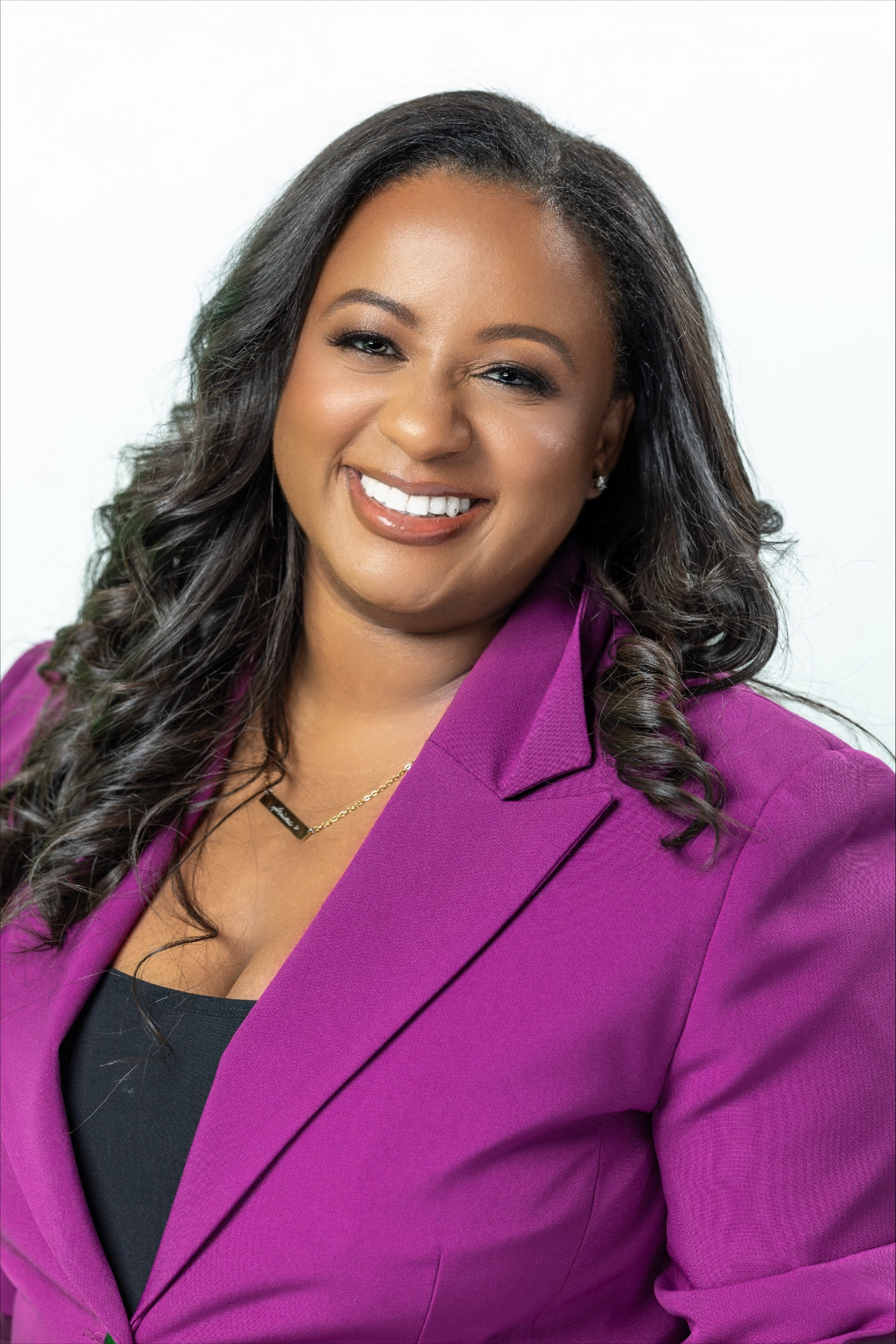
[00:00:35] Speaker B: Welcome to the premiere episode of Inside the Industry. We're sitting down with powerhouse producer Wendy Calhoun. She'll be breaking down the multi billion dollar global industry of microdramas and vertical storytelling and sharing how creatives can position themselves in one of the fastest growing spaces in entertainment. I'm your host, Ariana Drummond. Welcome to Inside the Industry.
Wendy, you've accomplished so much in this industry, including serving as co executive on the cultural phenomenon empire.
When you reflect on your career, what has enabled you to consistently operate at such a high level?
[00:01:17] Speaker A: Oh my goodness. Okay. I think I'm able to consistently operate on a level that some may say is high because I don't take no for an answer. No to me is not yet. You know, my favorite quote right now is success is just resilience in disguise. And I think that's really true. That's applied to me.
So I'm that person that keeps going for it, even if, whether it's going for a job or whether it's going for an idea I like in a room.
That has been a real important part of my journey. And I would say the second important part of my journey is something that I learned when I was an assistant.
And I'm going to credit a man that many people know. His name is Tim Burton. He's a director.
I assisted him for a while and he taught me something so valuable, which is never only have one option.
You never came to Tim and said, okay, here it is. Option A. Every time you would present him with something, he would say, okay, what else you got? And so I just apply that to every aspect of my creative life. I have option A, option B, option C. And then I don't take no for an answer. You put those two things together and it's like you become unstoppable.
[00:02:41] Speaker B: I love that. I love that. Great advice. Great advice, Tim.
[00:02:43] Speaker A: You know, good job, Tim. You taught me something. Amen. Amen.
[00:02:48] Speaker B: So you've evolved from writer to showrunner to now building and new platforms with companies like Candy Jar. How has your perspective on power and creative control changed along the way?
[00:02:59] Speaker A: Oh, it's changed radically.
It's interesting because when I first started making television, I did seven years of unscripted television. Right.
And that was non union. Right.
But I got to do all kinds of things. I was directing in the field, I was producing. You know, it was very. You could just really creatively step in whatever he wanted to do. And this was the early days of unscripted. So we were, you know, the ugly stepchild of television.
Everyone just talked about us like people thought we were a fad, Right. And we were treated that way.
And so what I learned in that was that how much I love that spirit, that independent spirit, that being something groundbreaking, that just doing something new, I really loved. Then I got into scripted television and I realized on the scripted side how compartmentalized everybody is, you know, And I didn't realize this. I was naive. I didn't realize that the minute I basically took a job and wrote over my. They give you a certificate of authorship. It's the first thing you do as a writer on these shows. Right. And basically what that means is everything I've ever written for any studio, they own the copyright of. I don't own the copyrights to any of my work. Wow. So what does that mean? Today I know for a fact that 13 of my scripts have been used to train AI. I can do nothing about that. Why? The studios own those. Cop Own that, Own that. They own that material. They have to be the ones policing it. They're not doing anything about it.
So there's been many, many moments in my career on the scripted side where I felt really burned.
[00:04:40] Speaker B: I would too, 100% just like, wait
[00:04:43] Speaker A: a minute, I'm out here making all this content, content, whatever stories, all this different stuff, and they're monetizing it, they're living off of it. And at the end of the day, I got nothing. We used to be able to say we had residuals. That was kind of the thing that made us feel me television writers, that made us feel like, well, at least our future is taken care of. That's gone away. Actually, Empire was probably the first show I did where we stopped really receiving the level of residuals that we serious.
[00:05:10] Speaker B: I wasn't aware of that. I didn't know that.
[00:05:12] Speaker A: Yeah. Because basically for my career it started with Empire. They would only play it once on broadcast. They would not repeat it again on broadcast. That's where you would really make the money. It would go straight to Hulu.
And so every show I've done since then has gone straight to streaming, sometimes the very next day. So now I'm getting only streaming residuals. I'm not getting broadcast.
Very few occasions where I've gotten it, you know, Very, very few since then. That's over the, what, 11 years, 12 years. It's a long time. So that. That money's gone.
[00:05:45] Speaker B: Go ahead. I'm sorry. I was like. To your point. And everything's streaming now, so it's like you're not. That's crazy.
[00:05:51] Speaker A: I know, I know. And also, you know, there is one plus side I would say, like, I did a show called Justified for fx. I remember getting very, very few residuals because the. The cable deal, if you remember, was kind of 60 cents on the dollar versus a broadcast deal.
Justify is the only cable show I ever did.
[00:06:14] Speaker B: Are you serious?
[00:06:15] Speaker A: Serious?
Because I remember doing it and afterwards being like, I need to get back to broadcasting to make my money.
I love y' all and I love this show. But what. And then the residuals would come in and they'd be like, teeny, weeny, tiny.
[00:06:29] Speaker B: So sad.
[00:06:29] Speaker A: But Justify was a great show. And so what has happened to it is it has found new life. It is a hit again. And I'm actually seeing some, you know, better. Much better. Much, much better residuals from it now than I did 12 years ago. So 11 years. I can't remember what year we're at on this one. But anyways, I'm learning all this time, I'm learning lessons in ownership, lessons in ownership, how important that is. And so now we're in the space where there is very little precedent.
And that means there I see it, that is a wide open opportunity for people who want to have some ownership. The cost of creating the shows are much, much cheaper.
So there's less investment to be made. And there's a huge upside because there are all those. I call them the gatekeepers that. That take money, by all the way, from the manager to the agent to the lawyer to the studio to the studio executive to the network to the production company. All of these are layers of money that go out the window before you ever get to making the show.
And so we're getting rid of a lot of those layers, and we're still able to reach the audience. It's amazing.
[00:07:42] Speaker B: I love that. That's Incredible. I want to go back really quick for a second. So before all the titles and the credits, what first pulled you into storytelling?
[00:07:52] Speaker A: Oh, wow.
I was a drama nerd.
[00:07:59] Speaker B: I love that.
[00:08:00] Speaker A: I love that. I love theater. I still love theater. I love theater.
I love dance.
I love live entertainment. So much music.
So that was it for me. It was that joy I felt when I was 16 years old and I wrote my first play and it was produced, and I saw people saying my words, and I watched people's reaction in the audience of being really engaged with what I was saying. And, you know, I could see.
I could see that moment where they're lost in it, they're escaped to it, and they're just loving that. And so for me, that's always been a part of it. It's always been, how do I, I guess, make a lot of people happy by giving them a moment of release, escape, Just joy, You know, when I write my shows, I think about that person in the hospital that just need. They need. They want to watch a soap. They just. They want to. Just want to watch some revenge. You know what I mean? They just want to watch something fun. Like, I really. That I don't get much.
I do try to sneak in a little bit of my own kind of worldview sometimes. I got to do a little bit on that. On Ricky Feds, I was really surprised I was able to. But I wanted to say something about.
Well, about tokenism, and I was able to get something through about that and how we prioritize what's. What's worth investigating and what's not.
So, yeah, I think I just went off on a tangent.
[00:09:39] Speaker B: No, no, no, I love it. I love it. We get to learn more about you. So that's all. That's. That's all that matters.
Where was a moment where you felt like, wow, I'm really doing this? Was there ever a moment where you. You were fighting to get in the room and finally you were there? You were in that moment. What did that feel like? And what was that?
[00:10:00] Speaker A: Wow.
Yeah, I remember that.
I'm going way back. We're going way back in the time machine.
There's not even a hot tub.
I hope we get there.
It was a really interesting moment. It was a humbling moment because I had been working on hell's Kitchen Season 2.
I loved that job. I loved, loved, loved that job. My boss on that job. My supervising producer to this day is one of my good friends.
That's how much I love that job. There's people from that Job that I still am very close to.
And I went to. I remember going to the Red Rock Casino and shooting the opening, because that's where Heather, who won that season, she won a restaurant there.
Amazing. I had an amazing time. So that year, after five years of going out for scripted staffing, I only got one call to come in, and I thought, I'm never going to. They're never going to hire me. Like, I didn't even know why I was doing it. I had four edit bays going at Hell's Kitchen, I remember. And I had to sneak out to go do this interview that I'm like, they're never going to hire me. I only got one call the whole year. Whatever.
I was so over it. So over it that I went into my interview and basically told me, the wonderful man who I interviewed with, like, there's nothing I can say to impress you. I did everything wrong. By the way. They told me up until then, like, never go in and pitch an idea for the show because you just don't know what they're going to want to do. First thing I did was like, this is what you need to do.
[00:11:36] Speaker B: It's a lot.
[00:11:37] Speaker A: Because I didn't care.
[00:11:38] Speaker B: Yeah.
[00:11:38] Speaker A: I thought, it's never going to happen for me. This is a club that does not want me as a member.
Within hours. They called hours and in. Yeah, that was on a Friday. I had to leave my job and start on a Monday.
Okay. So I go into that room, and what I discover very soon after is that many of the other staff writers, and, by the way, love them. I'm not going to say the show because I don't want to name names that many of them have gone on to win Oscars and Emmys. There's people. I mean, these are like. These are they. They really were. But I felt looked down upon because I came out as scripted. Of course, I'm the only, you know, woman of color in that room.
And I also realized that at that point in their careers, none of them had a fraction of the set experience I had. I had spent years directing on big shows that were, like, already getting 9, 10 million people watching at that time. And I was. I felt really humbled. Like I had. Maybe I had made a big mistake. Maybe I had taken a big step backwards because I was already on a trajectory on the unscripted side, and now I had to basically start over.
[00:12:47] Speaker B: Yeah.
[00:12:48] Speaker A: But God is gracious.
[00:12:51] Speaker B: Amen.
[00:12:52] Speaker A: And very soon after that first day in the humble pie I was eating on a daily basis, I found Out I was pregnant.
And there's no way I could have been pregnant doing the work I was doing in unscripted, running around with a baby, but in a writer's room, eating breakfast and lunch and pitching ideas. It was perfect.
So I really started to make peace with the humble pie.
And it did come back to be very helpful for me later on in my career. But, you know, it's interesting. I think we all dream about, oh, what would that first moment be like when I finally make it? Well, what if you arrive and you realize, oh, you had already made it. This is just a different space. And that's kind of how I felt like I thought I needed that validation. I really didn't.
[00:13:45] Speaker B: No, you didn't.
[00:13:46] Speaker A: I didn't.
[00:13:47] Speaker B: That's amazing. Thank you for sharing that story with me. I mean, to your point, I think us as black women walk into these rooms, and I was talking to a guest earlier about imposter syndrome, and we're. We're so fearful, and God didn't give us a spirit of fear. So I'm. I love that that transformed your life and made an impact. But that's incredible.
I commend you for that because so many people are, you know, they get stuck in those, oh, microaggressions, and people are telling you what you should be doing. So just to walk in there with eventually confidence, you know what I mean? In the spirit of knowing that you can do this, it was just.
[00:14:23] Speaker A: Yeah.
[00:14:24] Speaker B: So incredible.
[00:14:25] Speaker A: I want to get real for a minute. You mentioned microaggressions, because I just recently had a moment that was so telling. Looking back on my career now. Right.
So you have to understand, all those years, inscripted, very often I'm the only woman in the room. Definitely the only woman of color in the room or the only person of color in the room. Very often that was the case was until much later in my career that things balanced out more on the scripted side, on the unscripted side, by the way, it was not that way. On the unscripted side, there were a lot more people of color and women working.
You know, I was like, why do
[00:15:03] Speaker B: you think that is?
[00:15:04] Speaker A: It's because it's non union, I think. And the union was still a boys club.
It still is to this day, you know.
Yeah. So anyways, all along that time, I was taking microaggression cuts on a daily basis. So much so that I got really numb to it. Like I didn't even feel it anymore. I really, truly believe that. Because what happened was, you know, we Went through. I went through the first strike, but then we. Obviously, we just went through another strike.
And. And then I've been developing for the last few. Couple of years, so I haven't had to go inside of a room and deal with any of that.
And so I had went to the Austin Film Festival this past year. So you have to understand, there's like a three years period of me finding my voice again.
And then when I got back together with a lot of my old writer friends, I realized.
Wait. That what they just said was really painful. Oh, that's a microaggression. Oh. Oh, yeah. I remember this. Why was I able to. I obviously got really numb to this. I just ignored it for years. I ignored it, and it was only conscious to me. After having several years away from it, finding my voice again as a writer, very powerful to do.
And my consciousness was so different coming back into those spaces, and I realized, holy cow. I really put up with a lot.
[00:16:39] Speaker B: And to your point, you think things have shifted all this time and it hasn't. Hasn't changed a bit?
[00:16:46] Speaker A: No, it hasn't.
[00:16:48] Speaker B: Sad.
[00:16:49] Speaker A: I think.
I think we have changed.
I've changed because I was suddenly conscious.
It's that nasty word, right? Woke,
[00:17:03] Speaker B: you know, made me tear up thinking about some of the crazy things we experience as black women. It's so sad.
[00:17:09] Speaker A: I see why they don't want us to be woke. Okay.
[00:17:12] Speaker B: Yeah.
[00:17:12] Speaker A: Don't look.
[00:17:13] Speaker B: Don't get us started.
[00:17:15] Speaker A: Mm.
Oh, my gosh.
[00:17:19] Speaker B: Oh, my goodness.
I want to take a minute to pivot because I feel like a lot of you. A lot of our audience members maybe aren't familiar with what, you know, verticals are or. Or micro drummers are. So what's the difference between a vertical and a microdrama?
[00:17:35] Speaker A: Well, they're the same kind of. Well, a vertical is basically something that's shot in profile that you watch mobile first. It's built to be watched on the phone. And so micro dramas are very often shot in a way that really works with that format first. They put that form as first. So where you might have other content out there, you know, there's a lot that, you know, you find on regular television. Right. And it just gets retrofitted for the film. This is built for the phone. The phone. So microdramas is a style of entertainment that is built for. For vertical viewing on a phone first.
It's very important to say first, because we are now moving into an age where it's being created for the phone first. But then also another way it's being created is to be able to be seen in the landscape. Right. So it's retrofitted for an iPad. Right. Or you can play it up on your tv. Right. And so that's the difference in what it is.
And then, you know, getting underneath what a micro drama is, that's like a whole nother conversation.
We can get to that.
[00:18:47] Speaker B: So what do you think is keeping audiences from watching or to keep watching in that format?
[00:18:54] Speaker A: Oh, dopamine.
[00:18:57] Speaker B: Let's just say dopamine.
[00:18:58] Speaker A: Dopamine, yes. It's actually kind of scientific, quite frankly, and there's been a lot of data and testing that's been done on it. But basically, what it is, I call. I have my little moniker, you know, I call it the hook, the twist, the cliffhanger. Right. So it comes in small bites, I'll put it like that, and so on your phone.
Typically, someone that's going to watch something on their phone, you've got six seconds to get their attention before they scroll. That's the hook.
And you want to keep the. The storyline very simple, right?
And then at the end of anywhere from 30 seconds to two minutes, typically, you're gonna give them that dopamine, where they're suddenly like, it's not so much what's gonna happen next, it's like, what am I gonna feel next? You know, it's very much an emotional response, and you're proposing a question to them, and they just need to find the answer. They just need to know. And so that makes them immediately keep watching. And so that's how they're put out in those smaller pieces.
Simple storytelling, but very, very engineered to hook you, give you something simple to understand, and then draw you in so that you have to watch the next one.
[00:20:22] Speaker B: So I know you earlier, you mentioned about having to get someone's attention in, like, the matter of six seconds.
Clearly, that's changed the way that you approach storytelling.
Is there any other way or is just literally capturing that person's attention more quickly?
[00:20:42] Speaker A: I think microdramas have completely changed the way I look at storytelling, and I think they're gonna change a lot of people, too. As a matter of fact, I think of something like heated rivalry. I watched that. That could have easily been a microdrama. If you watch the. What it's done is it changed the rhythm of how we take story in. Right.
You know, and that one is a very good example of capturing the moment of now and how we're changing the rhythm of storytelling and then actually translating it on another medium. I Thought they did a fabulous job at that on that particular show.
But, yeah. I'm sorry, ask me the question again.
[00:21:20] Speaker B: How's it.
Has writing for verticals changed the way you approach storytelling?
[00:21:25] Speaker A: Yes, it has. I am aware of the rhythm and I think there's a way to do the rhythm where it's not so on the nose. I feel like in vertical micro dramas, they, they, you know, of course they're underestimating the audience, I think, you know, and so I do think there's a more sophisticated way to do it. You're still aware of these rhythms and these changes, but it's the same way we do with scenes and act outs and television. It's changing a bit of the rhythm of what that is.
And it's actually so fun to write, especially for soap, which I love to write soap, you know, and I also feel like it's. I feel like, you know, I've written a lot of detective, you know, dramas kind of stuff, and I'm applying that as well to it.
Also. Super fun. I just.
It has totally changed story rhythm and I love it because, I mean, I've been writing under kind of the same rhythms for. For, you know, almost two decades.
It's time for a fresh. Something fresh.
[00:22:27] Speaker B: No, no, no, I agree. And I mean, to your point, you see the trajectory of where just the industry is going, where television is going, and it, you know, at some point it has to pivot.
[00:22:37] Speaker A: So, yeah, listen, was it 2007, 2008, where the, you know, we first had smartphones, where we're able to carry stories in our pocket now everywhere. This has changed our attention span.
[00:22:51] Speaker B: Yes, absolutely.
[00:22:52] Speaker A: We don't focus the same way now.
[00:22:54] Speaker B: No.
[00:22:54] Speaker A: That we did prior to that. So the technology has changed how we absorb information and stories have to keep up with that. And that's where the audience are going, because the audience, like, well, this is what I. There's a whole audience now. That's all they know. They never knew. They probably watched some of the old stuff like, this is slow.
What is this? That's true.
[00:23:17] Speaker B: That is true.
[00:23:18] Speaker A: That is true. Get to the point.
[00:23:20] Speaker B: Say, get to the point.
[00:23:21] Speaker A: No, that's real.
[00:23:23] Speaker B: So when you think about how fast microdramas are progressing and growing, what do you think traditional Hollywood is missing? Or do you think it's even missing anything?
[00:23:35] Speaker A: The audience?
[00:23:38] Speaker B: No, correct, Correct.
[00:23:42] Speaker A: I mean, we know that the largest platform out there is YouTube and we know that Google is stepping up into the micro drama space and the vertical drama space.
We know. Wait, I have a stat for You. Yes, I have a good stat for you. Where's my good stat for you? Wait a minute. It's a good one.
[00:24:01] Speaker B: I love it.
[00:24:03] Speaker A: She came prepared. I try.
I've got many actually.
So we know that the global revenue for micro dramas was about $11 billion in 2025. That's nearly double the entire fast channel market. The projection for 2030 is $26 billion.
Downloads in 2025, 2.3 billion globally, more than doubling year over year, while traditional streaming downloads fell 4%. So wait a minute. I know I have another one because I think what has happened. Oh, here it is. So real short.
One of the largest microdrama platforms we have in the United States. Their daily usage is 35.7 minutes per day.
That's how many people, that's how much they're watching real shorts, okay, versus Netflix. Netflix 24.8, Prime Video 26.9. Disney Plus 23.
That's now more eyeballs are there than these major players.
So the audience, what are you going to do if the audience isn't showing up? How do you do all the other things you do to make money?
The subscribers will leave, right? The advertisers. Why bother?
The audience is the key. And I think Hollywood has lost touch with the audience.
[00:25:27] Speaker B: That's 100% true.
So for any creatives listening, I want to shift gears a little bit. For any of the creatives just watching and listening right now, where are the real entry points, points into vertical storytelling right now?
[00:25:40] Speaker A: Well, there's many. I mean, the real entry point the easiest is trying to get a job, right? Working on a vertical, right? Doing whatever you can do, you know, translate. Let's say if you've, you know, worked for many years in, you know, in makeup and hair or, you know, wardrobe or production design or any of those crafts, you know, getting a job just to, just to see what it's all about. Because it is very different. Those sets are different, they run differently.
Some of them are horrible. I'm not gonna lie. Some of them are. I, I had a blast on the one that I directed was so great. It was so fun. But you know, you gotta at least get under the hood and see that. And then if you're thinking about creating for them or you want to come up with stories for them, definitely, you gotta start watching them, you know, you gotta start educating yourself. And really, you know, there's so many people, especially in Hollywood right now, they hear the word vertical, they know it's a buzzword.
They're heat seeking missiles. So they want to talk about it. They never even watch them. They don't watch them, they don't know what they are.
Again, there's a snobbery here that's so crazy I don't even understand it. But yeah, that happens. So that's another thing, and that's where you can really do a good deep dive. Become a student of the medium, really start to learn. Start to learn it and see what, just, just track what's. What's great, the same way you would track, hey, this is the number one TV show. Let me go check it out. Or, hey, the number one movie at the box office. Let me go see, like, do that homework in the microdrama space. Just go ahead and then try your hand at it, you know, try to write one. You know, you can start super small with this, by the way. You could literally, you and I could. I could whip up a few lines and we could go shoot an episode right now. We'll do it with my.
[00:27:20] Speaker B: Quickly. It can go though. Yeah, yeah.
[00:27:23] Speaker A: And then we could, we could edit and post it today.
Do you know what I mean? Yeah, that's the fun part about this is like the barrier to entry is so low.
So I'm saying all this as a means of experimentation. I'm not saying this is like, this is how you gonna make your living. I'm saying play with it. Play with the format, see if you like it. And then for the people who are in the industry and they're thinking about that transition, you know, I've been encouraging a lot of my writer friends to go through all their pilots, their busted ones, and the ones they've never sold and the ones that are their passion project and see, could this be a vertical? What could I do with this?
Because I think there's gonna be more and more opportunity for people with new concepts to go out there and set them up. If they can't get the money and shoot them themselves, then they can try to set them up with a platform or something else. Find one of these vertical microdrama stars. By the way, there are the Tom Cruise's, of course, micro dramas, believe it or not. Yeah, I believe it. And the, the actors who are very popular in those, they have big. They have major fandoms. Cast one of them in your piece and put it out there. My Lord. Baby.
[00:28:34] Speaker B: Money. We talked about money earlier. Yes. Give me that coin.
[00:28:37] Speaker A: Yes, yes. And I'm gonna say this specifically for this podcast for the black audiences and for the black performers. This is untapped territory.
This is where we really need to be looking, because we want to make sure that we're owning the stories in this space, not how it was done in the last century.
I know you hear me.
[00:29:01] Speaker B: No, I hear you.
[00:29:02] Speaker A: Look, we're here. We're here.
[00:29:03] Speaker B: We're.
[00:29:04] Speaker A: Let's own our stories now. Let's own our stories. If it's an opportunity to own our stories, we need to do it.
[00:29:10] Speaker B: I mean, keyword ownership, right? We talked about it a little earlier. It's so important. Why do you think that's so important right now?
[00:29:18] Speaker A: Well, there's a lot of reasons why I think it's so important, the ownership.
I'm gonna talk specifically about being a black American right now.
When you are in the space where your history is being erased, okay, where your books are being pulled, you must have ownership over your culture, over your vision for the future of your culture, over the history of your culture. You know what I mean? That's the only way to really protect our future generations who are going to be in this life after we are. We don't know what cycle we'll be in for them.
But I'll tell you something. I remember my mother. A conversation I had with my mother. She. She'd done a lot of work during the Civil Rights movement.
She was at Spelman in Atlanta, down. You know, when Dr. King was there.
She was. You know, it was very important to her. And during the George Ford protest, I was out in the streets and I called her and I talked to her about it, and I said, mama, this is so interesting to me. I mean, I'm not doing this for me. I'm doing this for my kids and my grandkids.
And she said, oh, you finally figured it out.
That's ownership. That's ownership. How many TV shows have I written that I don't have the copyrights for?
What does that do for the future finances of my family?
That's ownership?
[00:30:53] Speaker B: Yes.
[00:30:54] Speaker A: I mean, you.
[00:30:54] Speaker B: Don't make me cry.
[00:30:55] Speaker A: I'm sorry. I'm not trying to make you cry.
[00:30:57] Speaker B: No, no, no, that. That. I mean, I couldn't agree more. I mean, to your point, just everything that's happening right now with this administration and with the world and so much craziness, and it's so important. I. I 100 believe in just, you know, keeping in the family and generational, you know, generational wealth and the importance of, you know, not only our stories, but being able to tell our stories in our own way. You know, you. You.
I think we've gotten to a rhythm of Having.
Allowing others to tell our stories for us. And we need to 100% be taking ownership of our own stuff.
[00:31:30] Speaker A: Yes. The shift of us having a voice in our stories is verily new. That's a new word for you. Verily.
It's very fairly verily.
I remember some of those meetings that I was having with showrunners in those years when I couldn't get staff took or arrested.
I remember having very well known showrunners look me in the eye and basically tell me that they didn't need a black voice or a female voice to write those crazy. They did not feel the needed, didn't need it.
So there's a whole generation now of writers who've come up after. We've got way more like this sort of identity representation that Hollywood kind of woke up to and said, oh, wait a minute, we shouldn't probably be having white men writing black females voices. Maybe we should have some black females. Right. Black female voices.
So they never lived in that time.
But this is a new thing. And by the way, it could go away in a second. I don't take it for granted. I don't believe that this necessarily, whatever this, the politics of now will necessarily last.
[00:32:47] Speaker B: But do you think it will be this?
Do you think it can go back to how it was before, what it is right now?
[00:32:54] Speaker A: I think it could if we don't own our work and own our stories. And that's why it's important we have to protect ourselves.
[00:33:04] Speaker B: Kandy Jar is one of the key players in the microdrama space. What do you think they're doing right now to really be competitive?
[00:33:12] Speaker A: I think they are fun and I like a lot of the things that Candy Jar does. I mean, first of all, they are really honest about going for the black audience. Right. So they've just wrapped one with Tay Diggs, executive producer. Yeah, yeah, yeah, yeah. And actually one of their executives came to speak to the NAACP filmmakers, which is like, yay, Right? They're recognizing there's an audience for this and there's a true authenticity for the voice of this. And I think that that is something great.
[00:33:43] Speaker B: And.
[00:33:43] Speaker A: And you talk to people across the board, I mean, outside of, you know, creating content for and by black people, but just in general, they're. They usually have much better quality. Their shows are better quality. They care about the filmmaker. They try to be filmmaker first. Not all the platforms do that. Most of them don't. Most of them treat the filmmakers as, you know, work for hire, easily expendable, and candy jars. I feel Much more invested in the relationship that they have with filmmakers. They did one practice that I swear, now I'm going to steal for every one of my shows going forward.
So I learned something from, you know, and I think this is common in tech companies, so it's probably the difference between tech and entertainment. But, you know, after we. After our shoot, after we delivered, we had, you know, we had a meeting where we talked about what worked, what didn't work, what we could improve.
And they were open and honest. Hearing my feedback for them gave me feedback. I was like, this is fantastic. Every show needs to do this at the end of every season. There needs to be a moment where everyone sits down and says, this is what's working. This is what not. This is what's not working. And it should be with the keys. It should be with the creatives, not just the executive or the showrunner. Like, it should be a real, you know, reconnaissance so that we can do it better. I was like, that's. I loved that. That was great.
[00:35:06] Speaker B: That's a great idea, actually. That's beautiful. Everybody, to your point, everybody should be knowing that.
[00:35:09] Speaker A: But yeah, yeah, it's actually worth the time, I think.
I think it's how we can keep elevating what we do.
[00:35:20] Speaker B: So what do you think separates the companies from actually making money from the ones who are just chasing the trends?
[00:35:28] Speaker A: Well, I think any company that's just trying to chase trends is looking backwards.
They're not looking forward. If you're going to make money, you've got to have vision and you've got to take a chance and a risk.
And when I think about things like K Pop Demon Hunters. Oh, I love that movie.
And the fact that everybody underestimated them meant they weren't ready to make money.
[00:35:55] Speaker B: They weren't.
[00:35:56] Speaker A: And now they're trying to play catch up.
[00:35:58] Speaker B: I think about really quick. I have a friend who works there. And even when it came to just the merchandise, to your point, nobody thought it was gonna be successful. Nobody paid attention to it. And so they didn't do the merchandise. They didn't do certain things. And I'm like, this movie was fantastic. And it's that original, to your point, original content that really moves a needle. I feel there's been more of people circling back to or making re. I don't want to say making reruns, but, like redoing what was already made. And they're not putting enough into original content.
[00:36:31] Speaker A: That's right. I'm going to quote one of my favorite people in Hollywood, her name is Raina King. She's Regina's sister, and she says Hollywood is a place where everybody's first to be second.
That's true. Right. So, by the way, the same thing happened with Frozen.
When Frozen came out, there was no merchandise. They didn't know that it was going to be the hit that it was. Yeah. I remember taking my little daughter there, and she was like, mommy. She wanted anything Frozen. We couldn't find anything because they had underestimated it. So again, it's that underestimation of originality that keeps happening again and again while they make a hundred reboots of stuff we didn't already seen. And then the part that I really have a hard time understanding is this happens over and over and over again, and every time, they act like it was a fluke.
[00:37:20] Speaker B: Exactly.
I was literally thinking about even with Ryan Coogler and Sinners, and we saw the turnout for Black Panther when that came out. It's like, clearly the results are showing that we will tune in and turn out for our projects, but it's always like pulling teeth to get stuff approved or to, you know, I just see, you know, with them shelving a bunch of, you know, black shows, black movies, and it's like, we have proven success of the results and us showing up for stuff. So just think it's crazy.
[00:37:56] Speaker A: I'm looking back at Barbie and the fact that we had a female director knock it out of the park.
And this past year, we went way back down to only 8% of the films that came out were female directors. We're back to where we were 20 years ago. What?
How many exceptions do we need?
Honestly, it's ridiculous.
[00:38:21] Speaker B: It is. I'm like. It just blows my mind every.
Every time.
Sorry. Regrouping for a second. I'm like, so much, I want to say.
So do you think emerging creators actually have an advantage in the space, or do you think traditional creators are being able to shift and adapt to this new model?
[00:38:44] Speaker A: I think emerging creators have an advantage in this space right now because I think they are quicker to adapt.
They want to be a part of the next revolution.
And I think a lot of the people who already were established at the Old guard are being judgmental, keeping it at bay, not wanting to engage. I mean, I've literally heard people say to me, I'm too old to learn anything new. No such thing.
There's no such thing. Like, you either want to get in on what's next and be a part of it, or you don't. And I feel like the creators who are coming into the game now fresh say, okay, this is the game. Let me learn how to play this versus the ones who learned how to play the old game and don't want to learn the rules of the new one.
I'm one of those nutty people that loves to be first. I just love it.
I want to be first. When. When they told me when Candy Jar called and they said we've never had an all black vertical on our platform, you would be the first, I was like, done. Sign me up. I'm there.
[00:39:47] Speaker B: What do you need?
I love that. That's incredible. That's absolutely incredible. I know earlier you talked a little bit about AI how do you see it changing the way stories are being made?
[00:39:59] Speaker A: Whoo.
I see AI as a tool and I know it's being widely used already, changing the way stories are being made.
I think that has a big impact, actually, because I do think that you're able to use AI to generate especially the best part is inanimate objects for. And using that for film and for pictures. I mean, we're all. Everybody can do that right now. Right.
So, yes, it's going to change it in the sense that it's going to be, again, less expensive to make.
You can do a bigger volume of things using it as a tool.
Could it replace an artist? Absolutely not.
[00:40:46] Speaker B: No.
[00:40:47] Speaker A: Doesn't have a vision, doesn't have a soul.
Regurgitates data that already exists. Right.
So I'm not afraid of it.
I think it's a tool and tools are made to be used.
But I do think it's going to have an impact on film. I do. And television for sure. It already has.
I think it's funny that everyone's acting like computers and film and tv. How long have we had cgi? Excuse me? Do you know how much computers have been involved in film and tv? I think one of the reasons that the television revolution was so appealing to so many filmmakers is because the technology got cheaper and you could make a television show that felt cinematic. And that's why a lot of filmmakers came over to television, loving to take our jobs, because of the technology. It made it so. So, I mean, I think AI is in that sort of same range for us. It's. It's a tool. It's not going away. I think a lot of people are gonna waste a lot of money and time with it. It's a time waste, that's for sure. They're gonna make things that are like. People are gonna be rejecting it because they People know, you know, sugar from artificial sugar. You know the difference? Yeah, exactly. Like, oh, there's a Splenda. I don't want this. People are gonna want the real too. So a lot of people are gonna have some missteps, I think. And then, and then there's gon figure out, wow, this is the coolest paintbrush I've ever worked with and make something incredible. So, you know, again, I think technology is awesome.
And I think that, you know, I do think when people have asked me about AI in the past, I do say this, that right now what I find is the morality around it is on your compass.
You know, I have been asked, what shots would you like to use with AI? And I have so far been able to draw the line. Nothing that as a human being in it. And actually, it's interesting. I was part of a session by a group called Black Magic Collective. They're amazing. Shout out to Black Magic Collective. But they had a zoom sort of workshop on verticals. And I go to all the classes too, by the way. I like to know it. I want to know what everybody's saying.
But there was a really interesting concept that came up. They said that, you know, they do not. They do not believe that verticals are going to try to replace actors with AI generated things. Why is that?
Because actors in microdramas really engage on social media with their fans.
And so there's a whole fandom around them. And that requires real people. You know what I mean? And so I think that that is really cool and interesting about that because I think if any space was going to be probably the first to try to use vertical, try to use AI, it would be verticals, microdramas, like, because they want to do them so fast and cheap. And the fact that they've figured out that there's a lot of value to the human on camera I think is very interesting and telling. And I. And I think that's probably something, a lesson Hollywood should listen to.
[00:44:07] Speaker B: 100%. 100%.
So we talked about AI, we've talked about the future. Where do you think verticals are headed in the next three to five years? Does it integrate into Hollywood or become its own ecosystem?
[00:44:21] Speaker A: Well, we're right now in the middle of a major revolution and every day it's different. Every day is different. I think microdramas already have their ecosystem and Hollywood's trying to play catch up.
Hollywood's trying to get in on it. Hollywood's trying to figure out how they monetize it. And just in the past few days, Google blew a lot of people out of the water and said, you know, we're going to make it so that when you come to Google, you can find your microdrama here. And the same as what they did with YouTube, where anybody who's gonna upload something has the opportunity to probably do that, you're gonna see that happening in micro dramas as well. So all these little platforms that have their fiefdoms better watch out because the same. Because, you know, YouTube again, biggest platform on the planet, dwarfing, you know, everybody's talking about all these other platforms merging and stuff. Even when they merge, they're not big enough.
[00:45:13] Speaker B: No. To compete.
[00:45:14] Speaker A: And so now they're moving into that micro drama space. That says a lot. TikTok's already moving to the micro drama. People are recognizing that this format is its own.
It's its own entity.
It's not a retrofit of what has already been. It is built specifically for this space. And so it's different.
Yeah.
[00:45:36] Speaker B: So one thing about inside the industry, we really want to be a resource to viewers and folks watching.
What do you think creatives should be doing right now to not get left behind, whether you're the one producing or the one, you know, on the back end acting as a creative.
[00:45:54] Speaker A: I think creators right now should be open to receiving the beautiful gifts that technology has brought into storytelling.
You know, I feel like every generation gets a new tool, a new toy to play with. And as artists, I think we should be open to playing with those toys.
I think if we want to play with the old toys, then we should be.
We should be very mindful of that. We should be specific with that. Let that be part of why we want to play with that. You know, if you decide to know, I'm going to go shoot this on 35 millimeter film that nobody's using anymore. Well, that's intentional as that's your. Your. Your choice and that's great.
Commit to that. But if you want to be a part of where most of the audience is right now and you want to make something specifically for what their taste and their ability to accept story and also have the ability to immediately engage with it, comment on it, share it, make it go viral in a minute if they wanted to, then I would say for people wanting to get in on that, just go for the deep dive like me, be bananas, go study it, go meet people who are doing it. Go get on one of those sets if you want to do it.
Go make one.
Put it out there, jump in, just Jump in.
I think that's the part that is so cool about this.
It's that in the past, we've always had these gates that kept us locked out. And we felt like we had to get past gatekeepers to. To be who we are and express and reach our own people.
We don't have to do that now. It's so refreshing.
So. And I don't know how long that's going to last. You never know. You know, if you really think about it, a lot of these systems that are in place right now are really run by a very few number of people. Yeah, very few.
But right now it's the Wild West. So go out there into the Wild west before you know something else.
Some other shoe drops, you just never know. So don't I. That's another thing too. I think for me, I learned this the hard way in my career where I thought, oh, it's always gonna be like this.
So wrong. It's always gonna be changing.
[00:48:29] Speaker B: Exactly.
[00:48:30] Speaker A: And just cause you have it now does not mean you will have it five years from now.
[00:48:33] Speaker B: That's true.
[00:48:34] Speaker A: It could go backwards now. What do you do?
[00:48:39] Speaker B: So as we close out this first and foremost, this very informative conversation. But I've learned so much.
I didn't know anything about microdramas or verticals. Somebody had to tell me, Ezra. I was like, okay, but I really want to get your advice on three tips you would give to someone who wants to produce a microdrama or a vertical.
[00:49:00] Speaker A: Oh, okay, three tips. Let me think about this.
I mean, I'm going to repeat myself a little bit. But the first tip is be sure to study the format.
I would study both the micro dramas that are the. The top micro dramas in. In the us you can very easily find out those titles. They're easy to come by, check them out.
And then.
So that you are knowing that. But also I want you to go and study the branded verticals. Because that's a whole new space as well that I think is like super exciting. So that's. You know, when Procter and Gamble or Maybelline or Crocs, they're already making verticals, right? Go check those out as well. So you know what those are. So the first thing is the education step, right? Get educated about it.
The next thing, if you want to dip your toe into it, I would say is start to network, be part of the community. Because there is a growing vertical community. As a matter of fact, they're having an award show here end of next month, Vertical Love. So. And Again, it's going to be a lot of fans of verticals, stars of verticals. Some of the, you know, it's just people who are part of that community figure out how you can start to interject yourself in the community, because you'll learn a lot. And that's going to be where you find your first job. By the way, if you want to go work on somebody else's just to see what it's like, you're going to find it by being part of the community.
So that's the second thing.
And then the third thing I would say.
Hmm.
I mean, the third thing I would say, look at it as blue sky.
You know, don't judge it by what it is now.
Have a vision for what you could make it right. That blue sky part of it, I think, is so exciting about it. You know, this is such a new format.
If you're like me and you like to be first, there's a lot of ways you can be first right now.
That could be your legacy.
So instead of you being number 6029 of what was yesterday, you could be number one for what's tomorrow. Do that. You know, let that excite you.
And I find when you put yourself in that energy, in that sort of space of belief, things that you think are obstacles go away.
You start attracting the money. Okay. You start attracting the people who say, you know what? I want to support you. You start. It starts to. You are on another plane, and you start. Those things start to come into your life.
Yeah.
Yeah. I really, truly believe that. I've seen it happen in my own life.
I'm out here loving the vertical stuff. I'm talking to people about it. January, I'm teaching it in Italy.
[00:51:55] Speaker B: That's crazy. That's beautiful. That's beautiful, though.
[00:51:59] Speaker A: I loved it. But I think it's part of being, like, on a certain plane and saying, I'm going to accept this, I'm going to champion this, I'm going to talk about it. I'm going to fully immerse myself in it, and then I'm going to just wait for the miracles.
[00:52:12] Speaker B: Amen. Well, Wendy, we really appreciated you having just being on the show and talking about this. Thank you so much for being on inside the industry. And, you know, I've really enjoyed you today, so thank you. I hope you enjoyed today's episode. No matter where you are in your journey, there's a place for you in this industry, and we're here to be a resource. If this conversation sparks something special for you, make sure to, like, subscribe and share and drop a comment letting us know what conversations you'd like to see next. I'm your host, Ariana Drummond. See you inside the industry.