Episode Transcript
[00:00:00] Speaker A: Number one, you need an honest evaluation of the film that you have. As the maker of the film, you are the least able to do an evaluation of that information. There's not one pathway for every film.
Every film needs its own unique festival strategy. Nobody's saying you're a bad filmmaker. A rejection letter from a festival is not commentary on your film.
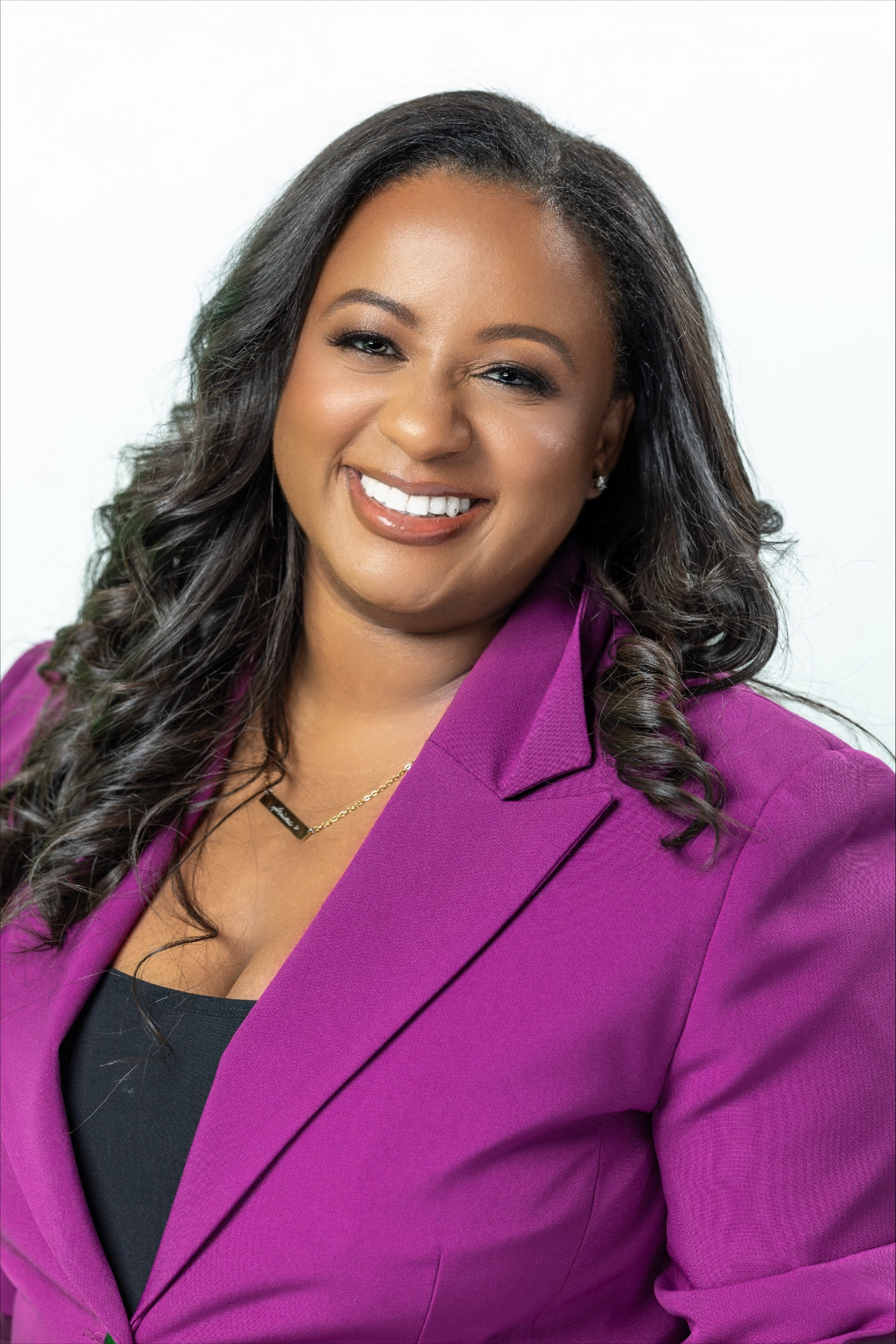
[00:00:24] Speaker B: On today's episode of NACP Inside the Industry, we're pulling the curtain back on Film Festival World with veteran programmer and festival director Kimberly Browning. From how films get selected to the biggest mistakes filmmakers make when submitting, this conversation is packed with the insight you need to better position your films for success. I'm your host, Ariana Drummond. Welcome to NACP Inside the Industry.
Welcome, Kimberly. Thank you so much for being here today. We're so, so excited to have you on NACPS Inside the Industry. How you feeling?
[00:01:01] Speaker A: I'm feeling blessed. Thank you so much for having me. I'm really excited to share with your audience and get to hang out with you finally. Yeah.
[00:01:10] Speaker B: So let's jump into it. So I know that you currently serve as a senior associate short film programmer for the Tribeca Film Festival, which is like one of the biggest film festivals in the world right now. Also, we know that it's right around the corner. What have submissions been like this year?
[00:01:26] Speaker A: Submissions have been enthusiastic and robust, I'm sure.
[00:01:30] Speaker B: I am sure.
[00:01:31] Speaker A: And so we're really excited to get to see so many films from all over the world and so many voices are telling us their stories and sending them to us. And the magnitude of the thousands of films that we wish we had twice the time and twice the space, because easily we could have had two or three times Humana films that all we want to share with friends. So I get excited because even if it doesn't get in and I see something great, I can be like, I saw this movie. You should program at your festival.
[00:02:04] Speaker B: I love that.
[00:02:05] Speaker A: And so sharing the.
[00:02:06] Speaker B: Well, I want to talk a little bit about you as a programmer.
[00:02:10] Speaker A: Yeah.
[00:02:10] Speaker B: I know that you talked about just being able to watch thousands of films.
How quickly do you know whether or not something's maybe going to be or you're going to program something relatively quickly,
[00:02:24] Speaker A: more informed by the needs of that festival I'm working for.
[00:02:27] Speaker B: Okay.
[00:02:29] Speaker A: So there are certain things we can tell pretty quickly in terms of production value, approach, techniques, vibes.
But I'm gonna watch the whole film because even if ultimately this film that might be bumpy in the beginning, the story might be fantastic, that pays off at the end.
And we can write a note to keep an eye on this filmmaker. Or there might be theme related festivals that would be behoove that filmmaker that they don't. That there are other opportunities that aren't just these kind of festivals that want a certain type of voice being able to. You never know when you're going to be able to meet that filmmaker, talk to them or share some insight as to sometimes it's just not a fit.
But we do watch it because especially for organizations that I get to work for that have development programs and labs and screenwriting competitions, there is a funnel where something's really standing out. It might not fit this program today, this year, but this is a filmmaker that would do really well in one of the development labs.
[00:03:42] Speaker B: And I was gonna ask like, are you allowed to do that? Like, are you allowed to reach out and just be like, hey, look, this is 100. Okay, that's great. Well, that's amazing.
[00:03:49] Speaker A: Yeah.
And so I might see a film that comes in that doesn't work for this particular festival's needs.
But I will get and to. I will get to invite that person to think about a program or email this person over there. They're looking for like there's a new comedy program that's coming up at Tribeca that is gonna start look for it. And it's through Universal. It's a collab with Rebecca Universal developing comedy. And they're looking for people who have made 10 minute or less or 10 minute or features or it can't be less than 10 minutes, I think. Yeah.
And so I can go and say, hey, here's 20 names and emails of films I thought people did really well in comedy and send it to them. They're gonna invite them to submit.
[00:04:37] Speaker B: I love that. That's incredible. And that happens everywhere and just that's incredible for you to be able to be a tunnel for other people. You know, at the end of the day, like we hear a lot about gatekeeping. It's like, no, I want you to thrive, but this might not be your area. So that's great.
[00:04:52] Speaker A: From a submitter's perspective, it feels like gatekeeping. But what we what the artist doesn't know, the submitter doesn't know is the layers and layers of engagement that's happening not just this year, but for years.
So I'm always getting asked for recommendations. I still go back to the lists when I was curating some things for say an HBO and they're directing and writing programs.
I'm still able to take those names and Refer them for other opportunities. And that was before COVID Some of these people came through the program and Sony had a new kind of outreach where they were just inviting people to come participate. And we programmers are the ones sometimes that get called to say, hey, who.
Who made an impact on you? Who do you think would really benefit from this process to help them connect? So that's something that when you invest your money into submitting to a festival, remember it's not just zero or one, not a singular transaction. You're making an impact to introducing yourself to people who can advocate for you for a long time. Yeah, it might not give you the immediate results you need, but sometimes what ends up happening is it's like good branding or good marketing. Yeah, you make an impact with that film. The destination of success isn't getting into that one festival.
[00:06:22] Speaker B: That's true.
[00:06:22] Speaker A: It's getting your work out there. To a multitude of people who, when opportunities come up, we think about you.
[00:06:30] Speaker B: And when we're talking about maybe a filmmaker's content, do you think how much does cultural timing or relevance impact really determine whether a film gets submitted? I mean, with everything going on in this world right now, like, is it better to do something that's more like culturally timing.
[00:06:49] Speaker A: Here's a couple of things to think about around that. 1.
When you're thinking about your process, by the time you write it, you shoot it, you cut it, and then you got to recut it, and then you're submitting. And then that's a year later, when I'm sitting down, I start a project. What's the conversation on this going to be two years from now?
And in features, it's even longer because it could take you three or four years to get your feature on the ground. If you're writing about something that's very.
It is not a biopic and needs to be very date specific, you want something that's going to imagine what the conversation around this is gonna be. Then the second thing to think about is both.
Every film that you submit to a festival is being considered along with thousands of films at that time.
But you're also navigating my remembrance of what the festival has programmed in the last 10 or 20 years. And so if your film is dealing with some of the same subject matter, you have to push through and make sure that your story is taken as somewhere in one way that isn't a repetition. Because obviously films about abortion right now, there's a multitude of them because it's something we all care about.
And so there are Decades of films that navigate people of color, engaging with the judicial system, engaging with cops that are not making good choices.
And we've been talking about this for decades. And that's reflective in. In the inventory of films that have the opportunity. And then you're up against the films who have already done it. Well, sometimes there's a Lawn Order episode that tackled this and got an Emmy.
So what is it about the way you're telling one of kind of seven basic stories that's going to take me in a different place? And sometimes we just have to remember that you're making your film available for our selection process.
And unless my film is the I Love Blue Film festival, your studies in blue are being evaluated.
Because I might love your execution, but I might have shown something like it similarly. And this one came in and it's just a different take.
[00:09:15] Speaker B: Take.
[00:09:16] Speaker A: Yeah, yeah. And you should not be concerned about that. You did anything that shouldn't be determined.
[00:09:27] Speaker B: Almost.
[00:09:27] Speaker A: Yeah. You shouldn't worry about or put stakes on.
It's not a definition that your film is good or bad.
There are other things that will help you determine that. But me not having one of my films get into a certain festival is not information about my filmmaking, my talent, or. Or my future.
[00:09:49] Speaker B: And then also with that, okay, we talked about the content piece, but what about things like runtime, pacing, or format? Does that affect a person's ability to get selected?
[00:09:59] Speaker A: No. Here's the key.
There are over 6,000, 7,000 festivals out there.
We have to disengage from thinking a festival Strategy or the 10 festivals you can name. Yeah, right.
You need to build the strategy of which festivals you should connect with and submit to based upon the film. Not that you imagined, not that you wrote, but the film that actually manifested and is finished. And this is what it is. We have to start there because it's beautiful to you and your emotional connection to what you did to get it made, but from somebody else's relationship when they see the film.
That's not how you should be determining where your film goes. You got to find the festivals. It's matchmaking. Yeah, it's matchmaking. And so if you are looking at the Ann Arbor Film Festival, specifically because it's one of the first festivals on the Short Film Oscars qualifying list.
And you don't go to the website and see that it is a prestigious festival for experimental and avant garde storytelling.
And so there are people that are submitting their rom com because when they go on their film Freeway page, there's a section that Says narrative.
But narrative and experimental is not the same as narrative. At AFI Fest, that kind of knowledge base is the key of being open to letting go of the thing that you've been told that that you get on social media and that you've just ingested that these 10 or five festivals are the definition of success.
That's not how you build a good festival strategy. Which means there are a lot of festivals you haven't heard of.
Some people then determine it's not an important festival because it's not on Google's top 10 list of the best festivals.
And so when you get stuck in that lane, you are literally getting on the four or five at 4 o' clock on a Friday and going, I have to only drive in this one lane. Yeah, you don't go anywhere fast.
[00:12:13] Speaker B: And I do want to get back to, I want to circle back to that later. But I guess for any filmmakers that are submitting, I guess specifically to this festival, is there anything that they can do to kind of increase their chances
[00:12:25] Speaker A: of getting make a great film? Yeah, your mom could be on the board.
Listen, there are so many different ways, but I'm speaking as just over the years and a lot of festivals I've gotten to participate in and be jury on, there's nobody, you know, there's nobody who can get your film into a festival authentically.
One of the things I like to think about for my own filmmaking, I don't want my mom to get my film into a festival. I want my film to get into the festivals that are right, that are going to get me in the right audience.
Because if I'm pulling a favor, and I think people overestimate when they say, oh, they think festivals are political. You got to know somebody to get in. I know it can feel that way, but it really isn't. Because if you think about it, say you have a short film that succeeds in some levels, has some challenges, shows a little bit of what you can do. But we're excited to see what you do next.
And there's a regional festival that somebody's able to convince a programmer to put it in that wouldn't have programmed it. It's going to get put surround it with other films that are going to manifest the things about this film that's gonna eventually grow out of. I don't want my film shoved into a program of films. It doesn't really show it in its best light. That's not conducive to the conversation that these five to ten films in this block are having.
And it sticks out like a sore thumb. Audience knows what's up now. Part of that journey is being able to have people in your life and people in your circle who have objectivity, which you do not.
Especially when people are starting out. A lot of the themes or character arc is sourced from our own life experience. Our parents life experience, our grandparents journey.
[00:14:22] Speaker B: That's true.
[00:14:23] Speaker A: It's personal.
Many times our first films are working out our stuff so we can move forward and tell other stories. But I gotta get this off my chest. It's like people's first record, first single.
So navigating, being able to be told, to receive, to hear this festival isn't a. Your film's not a fit for that festival. There could be 10 different reasons why it's not a fit today, this year. Yeah.
And everybody takes all that different stuff and takes it personal. It's going to feel personal.
[00:14:59] Speaker B: Yeah.
[00:14:59] Speaker A: And you really kind of are binary in it's good or it's not.
And it's so much more complex than that. The second thing I want to offer is that in order to keep ourselves motivated and uplifted and encouraged and persistent and all these words we're told as filmmakers we got to have.
We then start to decide we know best of how that programmer should be programming their festival. It's not our job.
[00:15:27] Speaker B: Yeah.
[00:15:28] Speaker A: It's just not for you to have an opinion. I want you to want to get into abff. I. I want you to want to get in a Seattle Black Film Festival or whatever are the right festivals for you.
But most people don't know that there's an amazing festival on the come up in Greenwood at the site of the Tulsa Massacre. This group of people have come together to rebuild spiritually. And they want all of us coming there to tell our stories.
That I want to meet those hundred people. I want to meet the hundred people and in Tulsa, Oklahoma, who know our history and meet me as a filmmaker and really become someone who's gonna ride with me for everything that I make. So whether I send them an email saying I directed a Law and Order episode or down the road I've made a film that's coming out in a theater near you, I wanna begin to activate that relationship with everybody in any town in the country. Because most of us are at this earlier stage. Needs to meet everybody.
[00:16:33] Speaker B: Yeah. 100% right.
[00:16:34] Speaker A: If your email list are your friends, people you went to school with, your buddies, people your sorrows, that's a limited list. When you put your film finally eventually online or get a Partnership with Hulu or you're putting it up on a streamer.
You get to email 3 to 500 people.
Festivals helping me a lot more people than that. And every dollar in every city that is spent watching your work is the same amount, whether it's.
[00:17:07] Speaker B: Yeah.
[00:17:07] Speaker A: From Chicago Film Festival or Black Harvest or the Gary, Indiana Film Festival. Because that dollar's the same. Yeah.
[00:17:15] Speaker B: Because to your point, you don't know who the who's in those rooms to be able to either recommend them or whatever the case may be.
[00:17:21] Speaker A: So the number one thing as filmmakers that the joy of being in this time means the responsibility of our business building is on us. Because now every single person can willingly give me their email address to get my spam in their inbox is my relationship. And I'm building my own retail group. Film festivals help with adding endorsers both on the audience side and the industry side.
There are people at NBC who don't know my name, but if they see that my film was in a certain festival, that's a bit of an endorsement.
There's value put on some laurels more than others.
I say that if I've made a film and on my laurels are some women's festivals, some comedy festivals and some black film festivals that tells the person looking at my investors deck of what I'm going to make next.
A lot more information about me than one singular festival that I did or didn't get into.
[00:18:24] Speaker B: And I have a question. You talked about other film festivals kind of being as an endorsement to your film.
[00:18:31] Speaker A: Yeah.
[00:18:32] Speaker B: But also I hear a lot of film festivals want your film to be the first one premiere status. Yeah. So how is, is that in it? Like should people be going out to like hey, I should only focus on. I know that you're saying that there's other film festivals out there, but how should people navigate that?
[00:18:50] Speaker A: Number one, you need an honest evaluation of the film that you have.
[00:18:55] Speaker B: Okay.
[00:18:55] Speaker A: Gonna speak to feature film people first.
Chances are if you're at your second or third feature, what festival you're premiering at in terms of what kind of structural deal and strategic partnerships you're gonna make to release your film is of utmost importance. And which of the first few fact festivals you apply to and can premiere at will absolutely be helpful in being able to get a licensing deal or streaming deal for your film.
[00:19:28] Speaker B: Okay.
[00:19:28] Speaker A: That's just for very well made finished features because we know what the deal is. Right now people are having a self release.
It's better for some films to self release the number One answer to your question is that we have to ask a different question, which is, where is my film and what kind of business am I going to do? Because only a portion of the people that are submitting their films to Sundance have a film that's going to really be able to be picked up at 8:24. So Premiere Sundance is not where the business is going to happen for them. So not getting in there doesn't impact your film. The number one thing you got to figure out is, what do I have?
And as the maker of the film, you are the least able to do an evaluation of that information.
So I have two things. There has to be another person's conversation with you. You have no objectivity. It's your baby. And it's gonna be even more myopic if this. Anybody in this character or the theme is about you or your family. That's true. Right.
You have to have either brought on a producer who's not. This isn't their first rodeo.
[00:20:40] Speaker B: Got it.
[00:20:40] Speaker A: That have films that have gotten into a lot of festivals, they understand the landscape. There's not one pathway for every film.
Every film needs its own unique festival strategy that's unique to this film. And not what you wrote and not what you hope for and not what you wish for in your heart as an artist.
But singularly, you gotta separate out your personal aspirations from the business of the film and how it came out, and then assess the marketplace where the audience is and who are conduits to get you there. It might be the Berlin Film Festival, but it might be a circuit of festivals that are about mental health and awareness and human rights. Well, then, like, does that make sense?
[00:21:25] Speaker B: It makes sense. But, like, okay, so for example, if I have a film I've been submitting for years, and for whatever reason, I'm not getting. I'm not getting into them. How do I know if it's a position issue or a strategy issue or if it's to your point?
[00:21:37] Speaker A: Maybe the second person.
If you have a really experienced producer, you're going to be having those conversations along the way.
[00:21:44] Speaker B: Yeah.
[00:21:45] Speaker A: If you have. If you all are coming up, you have to get a festival strategist.
People feel like they can't afford them. Yeah, you can't afford not to, because you could easily apply to the festivals you've heard of or apply to for documentaries, the Academy qualifying for feature docs, and apply to those and not get into any of them and have a really wonderful film that would do robust business in the audience.
And so you gotta bring On a festival strategist who really knows who's who, what's what, which festivals share that they don't have certain premier statuses, but internally their programming process means they are going to be giving priority to films that haven't been out and around. There's a lot of working that comes together that unless you've worked at a festival, you don't understand those dynamics and what's written on that film. Freeway page or fest homepage for those of you doing international and Spanish language And Short Film Depot is really important, especially for European short film. There's some really important worldwide festivals that exclusively use Short Film Depot.
So you need somebody who knows all of those things. You need to know if you are a short filmmaker. There are five films that are chosen for the HBO short film competition at ABFF area.
You gotta know if you want to go for that. Do I have a film that really is competitive? Even if you're top 20 or 30, think about the people who have watched the film and the selection team. Even if you don't make the last five, you're introducing yourself to those people. Think about the people who are on that programming team. Some of them work at hbo.
So if you have a film that really isn't competitive, remember this is how you're showing up for your first date. You need somebody to give you objectivity. Also, if you're going to want to try to go for abff, don't apply to a ton of festivals beforehand that gives it its premiere status. Yeah, you need cogent advice and insight on if your film should wait six months to find out if you get into abff. So you're not missing opportunities down the road that make more sense.
So the other insight I think super, super important is to work within our means.
You have to really budget for festivals from the jump and understand the cost and understand that even with a great film that's so well executed that I guarantee will be part of the Oscar shorts conversation or the Oscar docs conversation or the Idea Awards conversation, that film's not going to get in most of the festivals they apply to in a general kind of festival plan. Yeah, there are some people that want to just hit one or two festivals and then an Amazon or Netflix is going to put it right out to the market.
You got to figure out which lane you're in which you are the least informed about unless you've done this a couple times. So especially for short filmmakers, first time features that it's about really specific subject matters. Those big, huge, massive gala Fests aren't necessarily the roadmap because you're a young filmmaker. There are some people who pop out.
But listen, moonlight wasn't Barry's first movie.
[00:25:22] Speaker B: No, it wasn't.
[00:25:24] Speaker A: He had already made a feature that had done well and had made shorts before that.
It's a long haul and it's a long road. And. And.
Or people like Cary Williams that made the short Emergency he had made and worked out and made some really great music videos and shorts before that. So by the time he made Emergency, that was able to win south by as a black film and win Sundance and get the resources to make that feature and then go back to Sundance with that feature. There was so much work and films that he had had out on the circuit. You just heard about him when you saw Emergency come out Amazon. It got released. Right? Or something.
So give yourself more time and space and listen to people when they're trying to share with you insight because nobody's saying you're a bad filmmaker. A rejection letter from a festival is not commentary on your film.
[00:26:20] Speaker B: And real quick, as a programmer, are you looking or do you care if. If a film has been rejected by other film festivals?
[00:26:27] Speaker A: We. There's no way we know.
[00:26:28] Speaker B: Okay. Oh.
[00:26:29] Speaker A: One of the tips is there's no way we can tell who you submitted to or who you got rejected by. One of the little telltale signs is remember that when you're submitting to festivals, they're going to ask you about your completion date.
You completion date should be dated to be about a week or two before the first festival you play at.
[00:26:53] Speaker B: Got it.
[00:26:54] Speaker A: You might finish the film six months and it might take a while for the film to find its lane. It can take three to five months between submission date to results.
Keep moving your data on IMDb. Keep refreshing that day.
[00:27:09] Speaker B: Good advice.
[00:27:09] Speaker A: Right. So once you finally get. And you might not still be canoodling with your film, but ultimately there's no other way. One of the things I can tell is if somebody has a completion date, a date earlier, then I know they've been out and about on the festival circuit, probably applying to bigger festivals they didn't get into. But it's a telltale sign. I don't. That's information I shouldn't be able to determine.
[00:27:33] Speaker B: Okay. Okay.
[00:27:34] Speaker A: Does that make. It's like a little insider tea. But the date you actually completed your film is.
A lot of festivals have a bit of a. They only want films that were made in the last year or the last two years.
So that's. You're burning time unnecessarily. When you actually finished your edit is not relevant. What's relevant is when did it start hitting the festival circuit. That I know if your film's been out and about for three years. Some festivals that's not. They just want films from the last two years. Well don't lose six months of that time.
[00:28:10] Speaker B: So I know earlier you talked a lot about people shouldn't be focusing just on the big film film festivals and they should try to prioritize doing something that maybe doesn't come right up on Google. So how filmmaker filmmakers that are navigating that space. How would you explain the difference between like top tier mid level or mid tier or niche or regional festivals and how should that influence where they should be?
[00:28:33] Speaker A: Yeah, again I have to go back to a festival that somebody else considers a tier is not necessarily the ceiling festival for your film. So that question is again completely informed by an objective evaluation of your film by an experienced producer or you've brought on a festival strategist or distribution person.
Because for many of us ABFF or Chicago being in the Black Perspectives program at Chicago is glorious. That's something I want to achieve in my career.
That's an A list festival to some and some people are not aware that Chicago even yeah right. New York Film Festival is important to some people. It's a very respected festival.
Understanding international, national and regional festivals is probably scale of size.
One of the tidbits I like to do is just more pragmatic than trying to evaluate where to spend my money based upon definitions of different sub communities of the festival circuit.
I look and see how long the festival is.
I don't submit my film to a festival that's one or two days and says they are showing features and shorts and there's music and a dance party because that means there's really only a handful of films. And I don't know that it makes sense for me to invest 40 or 50 bucks and a festival that's one day that's showing 12 short films. So I think it's difficult to give a global answer when I believe that these what's right for this film and then which order that is from the top festivals. It's easy to find the top festivals and it's pretty similar if you ask people what the top 10 or 20 are every year is it Movie Maker magazine publishes a list of the coolest film festivals who aren't necessarily a list top five. We all know what those top five are.
But the like the coolest Festivals. Every year they have filmmakers write in and talk about festivals that changed their trajectory or impacted their film.
And that includes like Anchorage Film festivals for some people.
So for me, festivals like Telluride, Berlin, Durban and South Africa are premium in addition to the Sundances and San Francisco Film Festival. But for some of the films that I've been able to be a part of, it was way more important to play dance.
A dance film festival at Lincoln Center.
That's where that film needed to premiere. And then it went on to San Francisco like it had a different subject matter. It was telling the story of all these black contributors to jazz dance in the history of America.
And so the important A list fest for that film, completely different than what it is from a very high profile, very independent narrative film.
[00:31:53] Speaker B: Yeah.
[00:31:54] Speaker A: So. So I just don't want filmmakers sticking with just those first evaluations or kind of groupings because as you get into the film you made, there's subsections and we need to craft a quilt of these festivals and harvest the right ones that are right for your film and start at the top festival for your film.
[00:32:18] Speaker B: Yeah.
[00:32:19] Speaker A: Because just because it's a list festival doesn't mean it's where you should spend $100.
[00:32:23] Speaker B: A hundred.
[00:32:24] Speaker A: Right now, the Zurich Film Festival is 165 bucks.
You got to really look at what they're programming the last five years and have an honest conversation with your team. Is this where your film should try to premiere and why?
So having that conversation with somebody who knows how to guide you through it is the biggest gift I can give you. Because it's where people are like, why should I? I want to spend all my money on entry fees.
But you will save money on entry fees to. Not to.
To focus at better festivals with what you're spending on a festival strategies. They're going to save you more money, time and heartache.
[00:33:04] Speaker B: Okay.
[00:33:04] Speaker A: No matter what. Whether you're an actor who's used to rejection, when you start getting those festival rejections, there's an emotional journey because you've set expectations and stakes and have decided that God's path for you is determined by this one programmer's kind of scoring of your film on that particular day, which when you say it out loud is, we all know is not true, but it's what it can feel like.
We have to intellectually walk our way through that, and that can really help you. I can't encourage it enough.
[00:33:39] Speaker B: So we talked a little bit about rejection. But on the flip side, what should a filmmaker expect when maybe after into a major film festival. What does that look like when you get in?
[00:33:50] Speaker A: Yeah, it's exciting. And again, it depends on if you have a short documentary or if you are world premiering. You're very ready for market feature and being able to. When you get the news you've gotten into a certain size festival, who are those sales agents that you've been talking to along the way?
[00:34:13] Speaker B: Okay.
[00:34:14] Speaker A: Many times a lot of filmmakers don't know that.
They haven't really made connections that way. I would immediately go out to sales agents who can help you set up business for your film or getting a rep at a local agency that handles indie film.
Because with that acceptance, more people are going to respond to your email than they did a week ago.
[00:34:37] Speaker B: That's true. Can you expect more people to like? I mean, yes, I think it's important for you to get somebody who can go after that. But do you see a lot of people once you do get accepted, Are people like, are the offers just coming in like.
[00:34:49] Speaker A: Or is it not in the way people think?
The offers from a lot of people you hear from are people who maybe aren't the right teammates for you.
[00:35:00] Speaker B: Okay.
[00:35:00] Speaker A: They tend to be much more responsive. The people you want to work with or should work with are open to receiving a call about you or from you.
[00:35:10] Speaker B: Okay.
[00:35:12] Speaker A: I'm hoping that by the time if you're getting into a big film festival, you already have been putting the word out on from an industry side. Even if it's your attorney, if you haven't been able to get an agent yet.
Who are those five people? Who's the person at Spring Hill? Who's the person at Gersh or whatever that you think is a good fit for you? It will change the trajectory. At the end of the day, the most important thing about beginning creative conversations with them is understanding that that might be one or two meetings. If your feature script, whatever you're making next is on the pathway, you gotta have something, a deck of really good treatment to keep that conversation going. Because even if a 24 doesn't buy this film.
[00:36:03] Speaker B: Yeah.
[00:36:04] Speaker A: There's something in it that attracted them.
And if you're not ready to pitch them something you want to make new, that's an opportunity. You open the door that might be closed by the time you're ready. So these are things I think about having my retail store open for when I'm at the car show. You know, have you ever.
[00:36:25] Speaker B: Well, speaking about that, have you ever passed on a film that was maybe later succeeded in a different festival? And what did that teach you?
[00:36:33] Speaker A: Say it one more time.
[00:36:34] Speaker B: Have you ever passed on a film that maybe you saw that was as a programmer? As a programmer that was later received or.
[00:36:42] Speaker A: All the time.
[00:36:43] Speaker B: Really.
[00:36:44] Speaker A: All the time. Madonna got rejected by everybody. Are you serious? Reject. When she was first taking her time around. Legendary story on Google.
I think there's probably some YouTube video about it. Madonna, when she was trying to shop her thing, got rejected by a ton of record labels. It was a DJ at a club in New York that got hot on her and opened the door. There are a lot of films that. There's different reasons. As a programmer I won't pass on a film. And only one is about the execution of the film. It just might not be literally. And filmmakers don't believe it when we put it in the. In the letters we sent out. But the we didn't have space for it is real.
Sometimes it's harder to find out you were number 11 or 12 on a 10 slot list.
But we want you to know it wasn't because of the filmmaking.
Many times there's maybe a short we love. There might be a feature that's on the exact same subject matter that just executes in a bigger way and they won't play together. Well, yeah.
Last year we might have done an entire sidebar of 30 or 40 engagements around surviving a gun shooting in America.
So your beautiful gun shooting movie that's gonna get picked up by hbo, it's just not a fit. Because our audience had this conversation last year, we have to understand, unless this is the Red Ant Film festival, they're seeing 100 films about red ants. So unless there's a block of films about red ants and films about red ants. So whether. No matter what your theme or subject matter is, we have to understand that there are several reasons why a film won't get passed on that will. I guarantee you that any festival I have worked at, there are films I have seen that I know is going to be in the Oscar conversation or the Emmy conversation down the road. It just doesn't fit the conversations the way our programs are coming together.
So never be singular in that getting that letter and then all hope is lost and we're stupid. And you share a letter with us of sharing your feelings and we get the feeling.
But also be thankful that if you do have emotional feelings to be grateful and gracious because you never know exactly who we're talking about. You behind the scenes. And the one thing that travels faster than how much we love you and your potential or Your successful film is somebody who was inappropriate or not professional.
That goes faster. And you know, you don't want your own emotional exercise to impact this festival that really liked your film and can't wait and has a spot for you for your feature down the road. Yeah, we remember.
[00:39:51] Speaker B: I'm sure if I get and the word gets out. I am sure.
[00:39:54] Speaker A: I'm absolutely sure. So don't post on your social media.
Okay. We're dumb, we're stupid, we have no idea what good is.
But I'm just saying help yourself and not put it out there into the universe because the word gets out.
[00:40:08] Speaker B: Yeah, yeah. So for anybody, maybe a filmmaker that wants to get shortlisted for the Oscars, are there any alternative paths outside of just submitting your stuff?
[00:40:18] Speaker A: Sure. So there's a couple ways to qualify for Oscar for shorts and for documentary. The new rules are up. So go to the Academy's website and really pay attention to those rules.
Any festival that is Oscar qualified in certain categories, there's feature doc, short doc, animation, live action, short, can, if you win that festival in that category, you then get a waiver to be able to submit directly to the Academy without doing a theatrical release.
[00:40:55] Speaker B: Oh, wow.
[00:40:57] Speaker A: That's what it means for a festival to be Oscar qualifying. That means a festival like Palm springs that's showing 200 short films, the film that wins in that category, that one filmmaker doesn't have to do a week long theater release and pay that money.
[00:41:14] Speaker B: Money.
[00:41:14] Speaker A: Yeah, that's what it is.
It also has evolved where it's become indicator.
It's a, it's I'm Oscar qualified.
It's something people share as a achievement, but it really is the fact that because you won this one festival, you don't have to pay the thousands of dollars to qualify your film. Yeah. There are some film festivals that if you do well and you don't win, they will still host a qualifying week long run that satisfies the Academy's theatrical and maybe a handful of shores will be invited to do that for the ones that didn't win. So that's something to look for in your film festival strategy. I find that half the films that spend thousands of dollars qualifying their films are not truly Academy qualifying.
And so again, it's easy me to sit here and say it, but the people in your life and the people on your team and your strategist, if you go to an Academy publicist, not an awards publicist, Right.
There are some that will tell you the truth and there are some that are happy to bring you on as a client.
And so we want other voices in our head to combat the inside.
I want all those things and that person can get me there.
[00:42:49] Speaker B: Yeah. And that's.
[00:42:50] Speaker A: So I want to encourage us the amount of money that you could spend on a film that really isn't something that's going to move the voters in a certain way. And the film doesn't have to be a NETFLIX film. They're good indie films that have really good academy runs because they're smart and they have good teams. And. And if your film is something that just hits and gets traction.
But there's no denying that sometimes.
There's no denying that the Oscar qualification list is not a festival strategy. Can I say it like that? Is that clear? Talk to people who know and receive the information and it has nothing.
It's not commentary on you or your film because at the end of the day, you made the film for a girl over there who maybe is going to change the way she makes a life choice. Today we have to keep our eye on the prize of why we're making our films and telling our stories. There are a handful of films that get Idea or BAFTA or Image Avoid, and there are some films that will do well on the Image award cycle. But we have to remember whether you get ultimately nominated. Think about all the people along the way while you're campaigning who now know who you are.
And that is the. That's the success.
And our film can help somebody in prison be able to talk to their loved ones because there's now closed captioning inside of the communication system.
There are women who've been given clemency because of a movie called Kemba and that biopic. So no matter what festivals, it didn't get into a lot of it. Certain festivals that we were hoping for. But at the end of the day, Biden gave her her clemency. And that movie was kind of a fire pillar that. That team that came together to work on her clemency case. It's changing lives.
[00:45:05] Speaker B: Exactly.
[00:45:06] Speaker A: And so remember that festivals are a support system.
It's not the destination.
It's not the destination.
It's about who'd you make this film for and how many impacted. I want you to be in all the film lanes. I want you to have cars on every lane, not just one lane, on the fast lane. You think that's the only exit to Manchester? Get to lax. Some of you need to get off at Venice and drive down Washington Boulevard because that's where the opportunities are for you that you're gonna grow and learn.
And so we need to expand our giving ourselves opportunity. And if you're starting out and you don't have 100,000 people on your mailing list, there are a lot of festivals you're not paying attention to that are gonna be great for you. Have somebody help you with the order of these things.
And one of the things you can do is really we want everybody to greenlight themselves and not wait for permission. If you are in geographical places, if you're living in places where maybe there aren't a lot of really experienced people, the Internet is a great place and people will respond.
[00:46:19] Speaker B: Use it as a resource, baby.
[00:46:20] Speaker A: Look and see who were producers on coordinators on the films that really are good comps for your film. Cause maybe somebody on that team would come onto your team or at least give you advice or look at your festivalist.
I always say there's so many really good festival strategists.
I find it hard to see any lane that you don't do that.
The only other way that Oscar can happen is literally you have to follow the rules. All the rules are up there. And you have to basically book your film into one of the Oscar approved theaters for I think it's seven days and a certain amount of screenings per day. There are theaters, the Laemmle's, I think there's a theater in Atlanta and you can go on their website and they have packages for qualifying. So. So like, like look for the qualifying booking.
[00:47:15] Speaker B: Okay.
[00:47:15] Speaker A: It's at the bottom of the Lemley's website. Start there. They have the best package in town. There's a theater. Maybe the Angelica or IFC center is going to be for New York people. And there's more cities you can qualify in now. It used to be LA or New York. I think they've had 10 cities that you can qualify. And all that information's in the rules.
[00:47:37] Speaker B: Okay.
[00:47:37] Speaker A: Yeah.
[00:47:38] Speaker B: So I want to pivot and just looking forward to the future of film festivals.
I know you've really seen the film festival circuit evolve over time.
So with the rise of streaming and digital distribution, how's the role of film festivals evolving? Or how do you see it evolving?
[00:47:55] Speaker A: Covid had such a critical impact in a couple different ways to help festivals learn what virtual. The advent of real virtual festivals.
During COVID it was such a discovery that so many people who had limited accessibility were able to participate in festivals because they were maybe homebound, ambulatory issues or impaired in certain sensory groups that are accommodated by the virtual screening. So many Festivals found when we were able to go back in person that there were 600,000, 500,000 people who saw the films and engaged with their festival that were never going to get in a plane and fly to Park City.
I think that's a critical evolutionary thing for festivals to learn.
And it's getting refined because now we have years of experience and. And looking at the different festivals and how they are appropriately engaging with using technology to bring the festival experience to a lot of people.
I think it's really important that we do our due diligence at which festivals execute it well and the different things around looking at or having conversations around geo blocking, geo fencing and being response and the festivals that are doing it responsibly.
But the evolution of festivals is really wonderful in engaging more groups of types of films. There are more amazing genre and sci fi festivals. There's more festivals for black women who like to turn left. Like they're so specific and they mental health spaces, advocacy spaces, activism spaces. Our films are becoming more international and the ability. I think festivals have really helped break through some of the resistance to specifically black and brown storytelling and industry perceptions that black films don't travel.
I think, you know, the head of Berlin Film Festival is an American black lady named Jacqueline.
[00:50:17] Speaker B: I did not know that.
[00:50:18] Speaker A: Who ran AFI Fest for ages. She's now one of the most influential programmers out there. And Berlin is responding in kind because she's creating programs specifically to open the door for filmmakers that never would have considered applying to Berlin.
That team's led by a black woman, now an American black woman, who's one of the most knowledgeable people about cinematic history that I've ever known in my life. So I feel like there's more thoughtfulness around not just what films we're programming, but who's in the room making those decisions.
And so if you're a festival that's really. I think New Orleans has done an amazing job of really conscientiously looking at what they're programming and whose voices they're bringing into the room and really committing themselves to that. The filmmakers and the storytellers represent all of us, not just the films themselves. And New Orleans had some amazing statistics. Almost half their audience is black folks.
I say 40% are women being programmed at this really beautiful, well executed festival. That's a big fest to get into. There's more room for everybody now. I think Atlanta is doing a lot of the same.
[00:51:45] Speaker B: Yeah.
[00:51:46] Speaker A: Of looking at home, growing and resources for Georgia based filmmakers and then platforming them during the festival.
So look at the festivals that are doing this kind of programs. Where do the panels? What are they talking about? Yeah. The same five people talking about the same stuff. Look who's doing. I think festivals have gotten a lot more innovative on what we're talking about when they're bringing us together and. And not just bringing people who were throwing the seven effective tips for effective people at us, but giving us action items of things we can do tomorrow to help us films get made. That's what I look for when I'm bringing a film to festival.
[00:52:24] Speaker B: Was there anything that we didn't touch on today that you want to share with any filmmakers or anybody just really interested in getting into the film?
[00:52:31] Speaker A: Absolutely. That. Give yourself room to learn.
In school we learned how to do things right the first time. Do it as quickly as possible.
That's not filmmaking. And it counterproductive. Those habits.
Allowing yourself to learn and grow and not get it right the first time is really critical. And to not define festivals as your definition. Like we are not the ones deciding what your path is going to be. Yeah.
Where just opening, helping more people learn your name faster.
But if you have really good understanding of self marketing, if you have good understanding of how to get the word out about if you can get people to come to your birthday party, you can get people to come and watch your movie and find the people that want to respond to a movie like yours. I think that's the number one thing is we are putting another's hands to determine if we're successful. And I would argue that the hundreds of films that have played these big festivals every year but can see how many of those names. How many people did you discover that were at Sundance this year that you didn't already know?
So don't put it all in the pocket of this one boyfriend who's gonna make you happy. Right.
Because your film. You could literally go around to churches with the right film and get more people to. If you've got a film about aging, the end of AARP are doing engagements, delivering ways to watch films for their population.
Think about how many people are on that mailing list.
[00:54:11] Speaker B: Yeah.
[00:54:12] Speaker A: And so we have to think outside the box. Just like back in the day, we had our tapes in the car and we go from show to show.
Right. Master P. We're doing the Oscar Micheau.
Right. We have to continue to have that mindset about our films.
[00:54:29] Speaker B: Yeah.
[00:54:29] Speaker A: Yeah.
[00:54:29] Speaker B: I love that. And then really quick lastly, what do you want your legacy to be when it comes to this?
[00:54:34] Speaker A: I love that question. Thank you.
I've been blessed to help Cher create, to literally get a bar on Pico that had a really good sound system and had just put in a VHS system to let me play films for an hour. I love that. And to fill that spot and to get people to see people's films and make another film with them or give them a job or hire them as an actor.
And being able to do that on the monthly has been the greatest. I feel like I made it a change. I feel like on that day, that's gonna be a handful of people who said, I was able to take another step the next day. I didn't pack up my car and leave and give up because Kimberly said something that encouraged me.
So I think my legacy is to be a source of encouragement.
The second thing are facts. I feel like I'm really committed to giving filmmakers facts in something that's really mysterious and can be a real emotional pretzel maker. Yeah.
And so, yeah, truth and encouragement. I hope that that's my legacy.
[00:55:46] Speaker B: That's beautiful. Very well said. Well, that wraps the episode today.
But I just want to say thank you so much. I know I got some insight that I didn't even know about, and I'm sure somebody watching right now who's just trying to get their stuff seen took something away from this. So I really appreciate you just being here today.
[00:56:05] Speaker A: Thanks for having me and having the opportunity to share.
[00:56:07] Speaker B: Thank you.
[00:56:08] Speaker A: Thank you.
[00:56:09] Speaker B: Before we wrap. Sure. I want to do two social games with you.
[00:56:13] Speaker A: Okay.
[00:56:13] Speaker B: One is called Real Talk or Industry Cap. So I'm gonna give you a statement, and you're gonna tell me whether or not you think it's industry cap or facts. And then why. So let's.
Truth or false. And then why you think that?
[00:56:27] Speaker A: In my opinion.
[00:56:28] Speaker B: In your opinion? Of course. Of course. So, number one, most films don't get into film festivals because they're bad.
[00:56:35] Speaker A: Oh, that's cap.
Most films don't get in a festival since you applied to the wrong ones.
[00:56:41] Speaker B: Love it. Love it. And having a long story is the biggest mistake a filmmaker can make.
[00:56:48] Speaker A: Half cap.
Hmm.
[00:56:50] Speaker B: Okay.
[00:56:51] Speaker A: I believe that the length of your film does impact where your film can screen at festivals.
However, I come from the principal that I believe, especially for short films, we have to say what we have to say.
Make the film have every frame it needs to tell the story and adjust your festival strategy to the film that you made.
Right.
[00:57:17] Speaker B: Yeah.
[00:57:18] Speaker A: If you've got a 25 minute movie and it really is, every frame tells that story.
You got to change what vessels you're applying to when you're applying to in the circuit. And you have to triple your budget because you're going to have to apply to a lot more festivals to find a couple that really can anchor a program with a 25 or 30 minute picture.
However, you just have to know that maybe that's going to be more effective.
Sending it directly to industry or putting it in your package when you're raising money for your feature that people can move. There's a beautiful film called the Accountant that was 30 minutes, 30, 20, 30 minutes long.
And Lisa, Walter and they all got together and made this beautiful film and it ended up winning an Academy Award. But again, its festival journey was very. There were a third of the festivals even around back then.
And it's hard for programs. You got to be smart about it. Know why your film needs to be that length. We don't need to talk about the three hour feature, do we?
And the festivals isn't where unless in experimental. And it's at the Hammer Museum and it's an installation and it's six hours long. Yes, those films have happened, but they're so unique.
You got to know that that's not something that's going to play. Cleveland Film Festival. Right.
[00:58:45] Speaker B: I love that.
[00:58:46] Speaker A: Is that helpful?
[00:58:46] Speaker B: Yes, it is. Okay, two more really quick. Programmers never watch a film twice.
[00:58:52] Speaker A: That's not true at all. I think you cannot prepare for your submission.
Assuming we're gonna have time to. Yeah, if you're applying a work in progress, it's a separate conversation. But you need to submit. Assuming that programmer will not have time to watch it again. Okay, but if it's at a certain place, there's something I'm keeping an eye on and there's something several people like about it. And we just wanna see how the music came out. If there's a story issue, I'm gonna assume that if you sent me a cut that's clearly a story or performance issue, you're not gonna be able to fix it. I don't need to watch it again. I just like to think about when I go on a first date.
If you show up from the gym with your towel around your neck, that kind of start us at a different focal point for what the potential is than my first time meeting you. I'm just saying come clean.
[00:59:59] Speaker B: I love that. I love that.
[01:00:00] Speaker A: And I think we have to be. It's important when we're first introducing ourselves as artists and who we're introducing ourselves to. These are relationships for life.
Film Festival programmers and festival directors. We are your advocates for your career. Yep. And I will wait till next year if the timing's not right. The timing's not right.
So don't let the tail wag the dog. A festival deadline should not have any place in your edit timeline.
Finish the film and then really look at the film and then find the next 90 days of festival submissions that are coming.
[01:00:36] Speaker B: Yep.
[01:00:37] Speaker A: Because there's another festival literally at the best theaters in the world. I care about playing at the Chinese Theater. I care about playing at an Alamo anywhere near you. I care about being at Cinema Village. I love Cinema Village. Right. It's my vintage thing. I'm from D.C. so I wanna play at the landmark and home.
I always send my films to the Alexandria Film Festival where I grew up. And I want to show my film at the torpedo factory on the river at my hometown. And so I care more about.
I guarantee you there's a festival a month or two that will still deliver the audience that's going to benefit me where I can invite the same people, get on the same blocks and have the. So there's adjustments to it, but that's how I like to think about it.
[01:01:30] Speaker B: And then the last one, you should. Well, you kind of touched on this. But you should never submit a rough cut.
Please don't.
[01:01:36] Speaker A: Don't.
I would say definitions of rough cut need to kind of get more focused.
Your rough cut, if it really is the story's lock, the performance is what it is.
Sound mix. Not like have a basic pass of your sound mix. Color.
Don't wait if you're doing your color to your color. We get that.
But if you have a sci fi movie and you submit a rough cut and I'm looking at black things going vh.
If you are first time submitting to these. If I'm trying to get into film quest or sitches, those are story and the monster and the thing going bump in the night. That's important for my character's tension raising fear.
The effectiveness without showing them that really fully baked.
Some of that information, some of the narratives in the sound mix of what's in the dark or what's going bump or what I can't see around the corner. I find that there are certain films that really need to be fully baked. They'll be more effective when they get submitted.
There are some that. I get it. I get what it is. Performances are off the chart.
If it's close, if I have a relationship with the festival that's different played there before. But if it's your first time.
Wait, you're gonna. There'd be some festivals that just aren't for you this year, and they could be festivals you've always wanted to get into, but arguably, this isn't gonna be your only film.
I'd rather you not make a first impression because your second film might get in there.
[01:03:16] Speaker B: That's true. Well, thank you so much for playing industry cap or facts. I appreciate that. And last but not least, our last game is called inside your industry bag. And so we have a small bag next to you. If you can kindly pull a prompt out in here.
[01:03:33] Speaker A: Yes.
[01:03:34] Speaker B: If you can kindly read your question, and then this could be anything. Could be anything.
[01:03:40] Speaker A: Okay.
But see
[01:03:45] Speaker B: what you got.
[01:03:49] Speaker A: What's the biggest mistake you see people making right now?
Yes. Can I offer that a lot of people have gotten more understanding around not putting very expensive music in your movie, and they think a workaround is having the character sing the lyrics.
I feel like if the lyric to that song is essential for your storytelling, you gotta go back to your script. No. No. One lyric in a song should be essential in you being able to make somebody care and feel that feel about if your character's alive or dead at the end of your movie.
And so stop putting financial barriers to being able to sell your movie or even put it online.
Because if you've got that film that's essential around a certain song, you.
You can't even if you could clear it, you want to be able to get it out there. I want you to be able to put it on your YouTube page if you are going to gain eyeballs that way. Yeah, Right. If the guys at Dust or Alter want to put your short on their, like, YouTube page, it's getting gazillions of viewers for sci fi and horror.
Why are you spending your economy on a song?
[01:05:11] Speaker B: Yep.
[01:05:11] Speaker A: Save it for the feature.
Right.
Don't put the Michael Jackson lyrics in your character's mouth in the shower. Oh, my gosh.
[01:05:22] Speaker B: Good gems. She just dropped a gem.
[01:05:24] Speaker A: People.
[01:05:24] Speaker B: Listen out.
[01:05:25] Speaker A: I love that question. Thank you for asking that, because that was the universe, so I feel like that's what we need to share. I get the emotional factor.
[01:05:33] Speaker B: Yeah.
[01:05:33] Speaker A: But how does that make me know anything more about your character?
[01:05:37] Speaker B: That's true. Well, thank you, Kimberly.
[01:05:39] Speaker A: I enjoyed today. Thank you. Yay. Fun.
[01:05:41] Speaker B: I hope you enjoyed today's episode with Kimberly Browning. No matter where you are in your journey, we're here to be a resource. If this conversation sparks something special for you, make sure to, like, subscribe and share and drop a comment, letting us know what conversations you'd like to see next. I'm your host, Ariana Drummond. See you inside the industry.