Episode Transcript
[00:00:00] Speaker A: I actually ended up falling in love with storytelling. I was the kid that was. That was hosting the news in high school and then doing musical theater at night and cheerleading. Like, I've always been a person that just loved it all. Whenever I saw an opportunity, I was just like, I have to be a part of it. If they're teaching you how to take up space in entertainment in this business, I wanted to learn. I learned so much about understanding that you create the environment as a host, as a journalist, this is your space to give light and love to people.
[00:00:28] Speaker B: While there may be no business like show business, the voices behind behind the interviews, headlines and red carpets help shape the stories the world remembers. On today's episode of Inside the Industry, we're pulling back the curtain to shine light on the world of entertainment journalism.
Today, I sit down with my dear friend Gia Peppers, whose voice has shaped social awareness across digital platforms from the Today show to More Than that with Gia Peppers, which was nominated for an NAACP Image Award. Join us as we dive into her journey, explore what it takes to navigate the media landscape and. And discuss how to remain competitive in an industry that is constantly evolving.
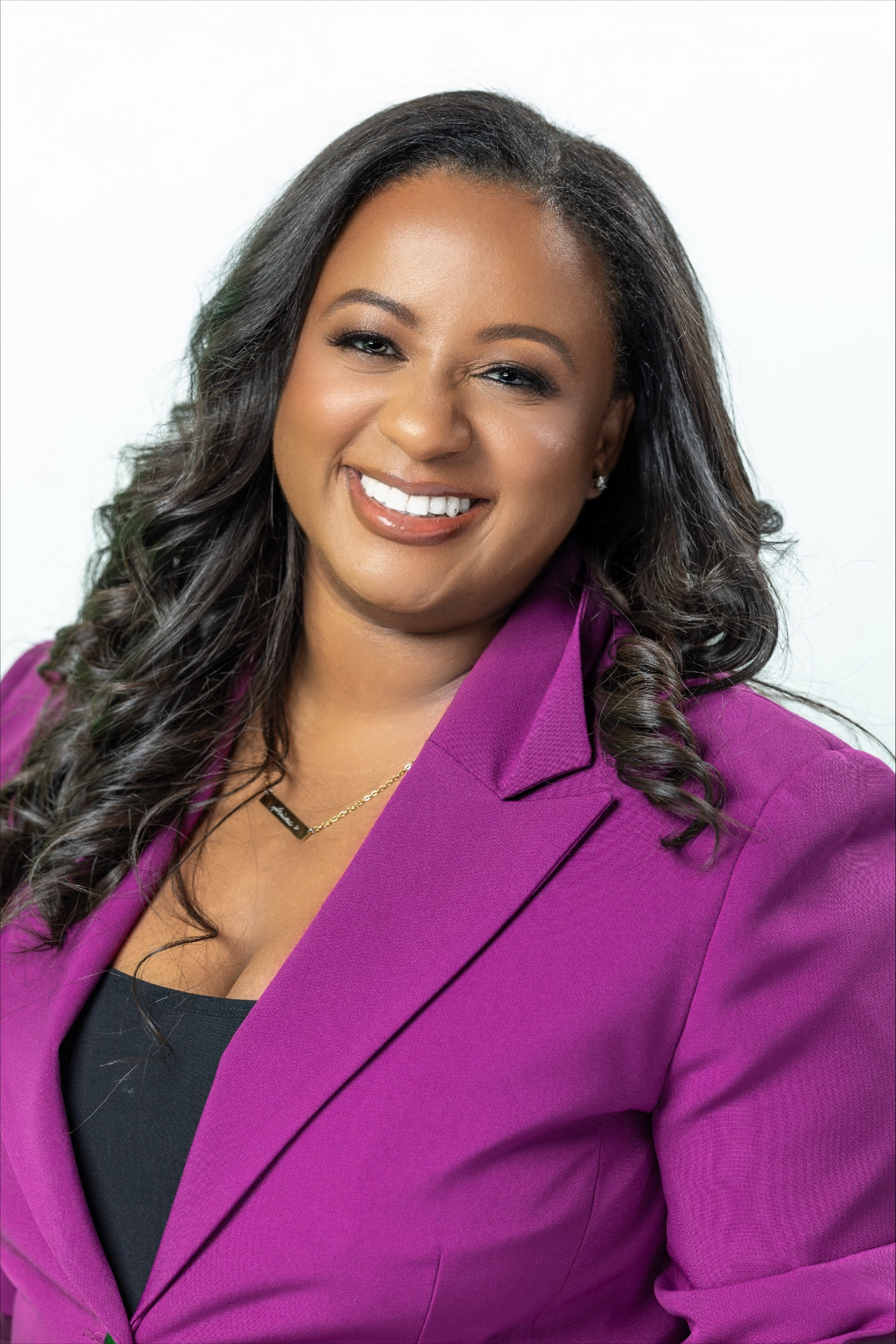
I'm your host, Arianna Drummond. Welcome to NACP Inside the Industry.
Miss Gia Peppers, welcome to NACP's Inside the Industry.
[00:01:22] Speaker A: Welcome.
[00:01:23] Speaker B: Thank you for joining us today.
[00:01:24] Speaker A: Thank you so much for having me. I'm honored. I'm so proud of you. Congratulations. Thank you. Come on, Host Erin. Baby, baby, come on.
[00:01:30] Speaker B: I'm excited. I'm excited. And when I think about, like, who I really want to for this episode, I was like, what better person than you? You are absolutely killing it. And just, I adore you. And I just think you're a super amazing individual. So I just wanted to say thank you again for joining us.
[00:01:44] Speaker A: Little do they know they about to get inside of our. Our group chat a little bit. Like, me and, me and Ariana go way back, way back to different jobs, different, different reporting things. And you have always looked out for me and I always want to tell you how much I appreciate you.
You are a difference maker in so many of our lives. So thank you so much for always looking out for the people. I'm honored to be one of the people you look out for, girl.
[00:02:09] Speaker B: No, but I mean, that only speaks to a. Like, I love your personality. You work hard, you're dedicated, you're professional. Like, I mean, you're doing it yourself. And it ain't even me, it's you.
[00:02:20] Speaker A: So look, both of us. Bless the Lord for both of us. Amen. Amen. I love that.
[00:02:26] Speaker B: So really quick, before we dive into it, for people who are watching this that don't know you, tell us a little bit about you, the work that you're doing, what you're working on right now.
[00:02:35] Speaker A: Yes, I love this. Okay, so I'm Gia Peppers. I'm an on air talent and entertainment journalist originally from Washington D.C. so I'm a girl Le shout out to the DMV. And I'm, I have been doing this work now for like almost two decades. Like I said, NAACP Image Award nominated journalism podcast host. And so it's dope to be on the other side to be a guest today. But I am the creator of Healed Girl era podcast. I was a part of an amazing show called More Than that with Gia Peppers, which was what we were NAACP Image Award nominated for.
We unfortunately, that has been officially canceled. So I'm sad about that. But we did a lot of great work in our four seasons and we were on 104 stations in the radio stations in the country. We were able to give like millions of dollars to black owned production companies, black owned radio stations. And so, and we had great conversations and great partners. So I'm really grateful to have hosted an executive produce that. And now I've just launched a community for creatives called Creatives of Faith. I love that I'm in my founder era. Love it.
[00:03:35] Speaker B: Tell me a little bit about what it is, what inspired you to create it.
[00:03:38] Speaker A: Yes, yes. Creatives of Faith is a new space. It's an online community for the most part. We'll eventually get to in real life events, but it's the online community and it's for creatives who love the Lord. And that's all types of creatives anywhere. And the tag, the mission is we are keeping creatives on assignment from God, the illest creative of all time.
[00:04:00] Speaker B: I love that.
[00:04:00] Speaker A: I mean, when you walk outside, I'd be like, yo, you snapped. You done changed the sky again, Lord. Like, wow, these clouds are crazy. Like, so anyway, it's something that I've been sitting on for six years running from, for six years. And so it's crazy.
[00:04:15] Speaker B: I, I absolutely love that. And I'm like, I love the fact that faith in, in Jesus Christ just grounds you and is the center of your life. I, I, I. And we need that community. I think that's so valuable and so important, especially you know, when we're navigating through this industry and, and it gets hard and it's, it's so important to have people that we can Lean on people that can hold us accountable. So I think that's just such a beautiful thing that you're doing.
[00:04:37] Speaker A: Thank you.
[00:04:37] Speaker B: Yes.
[00:04:38] Speaker A: Like, if y' all want to join, go to creatorfaith.com.
[00:04:40] Speaker B: yeah, I need to join those Bible study. I need.
[00:04:44] Speaker A: Come on. I got you, sis. Thank you. You text me your good email. I will. And I'll make the registration and then. But it's a. I'm really excited for it. It's. It's dope. We're. We're just growing, just starting. Like, I'm literally two weeks in, so just.
Yay.
I love it.
[00:05:00] Speaker B: No, I mean, I'm excited for what the future holds for that. Like, I know God has blessed your life, and I'm just so excited to see what he has next for you or what he has in store for you. Amen.
[00:05:10] Speaker A: I received this. Amen. Amen.
[00:05:12] Speaker B: So, really quick, I wanna pivot about your background for a second. I mean, you've worked for NBC's Today Show, Access Hollywood, BET, Essence. I mean, the list goes on and on. And you've really worked for, I could say every major platform out there, pretty
[00:05:28] Speaker A: much, except for AB and like, cbs. But, yeah, like, I've looked. I worked for a lot of high impact, amazing platforms. Yeah.
[00:05:35] Speaker B: So when you look at your major accolades, like, what does that mean to you? When you look at this, Such a power. You have such a powerful, incredible resume. What does that mean to you?
[00:05:44] Speaker A: It means that one. I'm carrying on a legacy that was started by my dad. My dad is a journalist, and I grew up watching him in the newsroom. So when I was a kid, I was a whole ham. I.
If you. If. I don't know if y' all remember that scene in Coming to America where Eddie Murphy's on dates with all the girls at the bar and there's like one girl who's like, I produce my own songs, I write my own songs, I edit my own videos. I direct my own videos. My. My brothers and sister. My brother and sister would always say, that's you. Because I was always that kid. And I would. I have video of me hosting our Easter gatherings. I'm like, hi, we're here in Brooklyn. My sister's behind me. We're here today, like, just always a whole ham. And my mother was Sheryl Lee Ralph. And Sister, Act 2. My whole life, the choir and the competition were out.
Entertainment wasn't a thing. Cause my mom's a dentist, so she was like, sis, that's a dream, right? Those are cute.
But you need a degree. Hello. And so my dad has always been the creative force in our family.
He taught me about music. He talked about Stevie Wonder and Motown and Earth, Wind and Fire and. And. And. And all of the amazing things that I love the most, with the most substance come from, like, my dad's love for arts, creativity and music and storytelling. And so he would take me to the newsroom, and I would see, like, oh, my dad gets to be a creative here, and he still has a paycheck, so maybe mommy will get off my back if I do journalism. And I actually ended up falling in love with storytelling. I was the kid that was hosting the news in high school and then doing musical theater at night and cheerleading. I've always been a person that just loved it all, the entire aspect of it. And then I remember watching Free on 106 and park, and she introduced her own video and through to Fighting Temptations.
I said, that's it. That's how I get in. I can just get a journalism degree, host. And then I get into the thing, and now I'm. And now I can do both.
Somewhere along the line, I put my own self in a box. And now my. This era is about allowing all those dreams to be present again. And so when I look at that part of my career, I'm very grateful. Yeah, I. I hustled a lot like I did. You understand? Because you. You a hustler, too. Baby, baby, can't nobody say we ain't earning. Okay? You can't. I'm not new to this.
[00:08:09] Speaker B: And. And. And I want to talk about that, because I. For me, you a. You stay booked and busy, which I absolutely love the Lord for that. But also, I think people need to understand that this isn't by accident you put in the work. So I want you to talk about, like, the process of getting booked.
[00:08:23] Speaker A: Okay.
[00:08:24] Speaker B: I think a lot of people just assume, like, what is she doing here? She. Why is she in these spaces again?
Yeah, and they.
[00:08:29] Speaker A: They.
[00:08:30] Speaker B: They take that for granted. They don't. They don't see the work that you're putting into this.
[00:08:33] Speaker A: Yeah, like, I remember the first. So the first time I. My career started probably in 2000.
How old am I? Carry the one. Wow, that's crazy. I started interning in college. My dad told me, like, don't even worry about no masters right now. Go make relationships, because that's what sustains you in this industry. And I was a freshman at Rutgers. A lot of people think I went to Howard because I love Howard. I grew up On Howard's campus. I did life at Howard. I'm gonna get a degree from Howard at some point.
[00:09:00] Speaker B: I'm from Hampton, so we're not gonna talk about that right now.
[00:09:04] Speaker A: But one is. H I. You want no time. But anywho, I told y' all we was gonna cut up. I love it, but I think. No, I. I grew up, like, listening to Donnie Simpson on the radio in Washington, D.C. and, like, shout out to everybody that's from the DMV. They know Donnie in the mornings is an iconic thing. And so my first radio internship in college was with Donnie in the summers. And I learned so much about understanding that you create the environment as a host, as a journalist. This is your space to give light and love to people. And in that era, it was very much, you know, I want to work for Diddy. You got to go over a cheesecake bridge to get cheesecake at 2 in the morning, or else you ain't making it in this industry type of vibe. And I was like, I don't want to. I don't want to. I don't want to do that. I don't want to be mean. I don't want to, like, step over nobody. And Donnie showed me that you can be kind. You can love music.
The. From Jill Scott or Kelly or the mayor or the janitor comes in this space, and it is your job to see them and make them feel seen.
And that's how I went about my career. I was like, okay, I can. I could do this. And so from there, I just doubled down on everything. I decided I was just gonna work hard. Like, no one was gonna outwork me. So eventually, I interned for Big Tigger and Donella and Free eventually, which was crazy.
[00:10:25] Speaker B: And I was fortunate taking things into existence.
[00:10:27] Speaker A: Like, I was like, free. Do you know who you are? And to this day, she's like, gia, please calm it down. No. And I'm like, but you have to know you're free. Like, all these journalists, bloggers, all of us are here because you like.
[00:10:38] Speaker B: Yeah. I grew up watching her.
[00:10:40] Speaker A: We don't. Like, she had an Afro.
[00:10:42] Speaker B: Yeah.
[00:10:42] Speaker A: On TV every day.
[00:10:44] Speaker B: Yeah.
[00:10:45] Speaker A: Okay, what are we talking about? Like, we need. She needs her things. But anywho, back to this.
So, yeah, so my first job, I worked in entertainment. I was an entertainment reporter in New York. After I graduated, I had done this program called wean, which was the Women in Entertainment Empowerment Network. So whenever I saw an opportunity, I was just like, I have to be a part of it, teaching you how to take up Space and entertainment in this business, I wanted to learn. And so when I graduated, my first job in the industry was with overnights in the newsroom at CBS Radio News. I was working from 11pm to 8am and I was taking everything I could soaking it up. There was no social media managers back then. It was literally just like, you're the youngest, you, every hour at the top of the hour, put out a tweet. We had to call man the phones. We had to make sure that if there was any breaking news locally, we, as the national headquarters radio station, we're getting the stories in real time to share with our news desk editors. Like all the stuff. And so I did the overnights. And so that means from 11 to like 2am it was like the quiet hours. So I would watch the late night shows, I would dream up all these things that I had for myself. I was like, I'm gonna get there one day. Right now I'm just here, but I'm gonna get there one day. And if I can prove to myself that could literally stay up overnight. And I'm 23 at this time, so this has to be 20, 2013, 2014.
I was like, if I can stay up overnight, I can do anything. And so I would have my Starbucks refreshers and all these different drinks and I would stay up and I would dream. And then at 4am that's when the news would start coming in from local, our local affiliates. So I'd have to like write it down, pass it to the editor. But it was heartbreaking because that was when the Sandusky trial was happening. That was when the James Holmes shooting happened in the movie theater. I don't know if y' all remember that. That's how long ago it's been. And then the last thing for me was the Sandy Hook shooting.
We saw the live feeds of parents before in the holidays saying, I cannot come home to my child because they are no longer here. We have so many issues in this country, but the fact that that is still one of them blows my mind every day. Because that if babies wouldn't woke wouldn't have woken up this country, I don't know what else would have. And that was the kind of final straw for me where I was like, news is a little too hot. Let me get back to entertainment where I love it here. And I when was in college, I interned for the Wendy Williams show in its first two seasons and I did live with Kelly and Michael. So I was like, okay, that's more my lane. We're like, yes, it's hard to watch. You know, our celebs passed away. Whitney and Michael passed away when I was in college. And I was just like, oh, no, Whitney passed away first. And I was just like, absolutely not. This is too crazy. But it was still easier to handle than, like, the Daily News. The desensitization that comes when you are in the newsroom. And so shout out to the Daily News and the local news anchors. We need y'.
[00:13:31] Speaker B: All.
[00:13:32] Speaker A: But it is. Please take care of your hearts, because it's not easy work. And so after that, I got into all these different, like, jobs. I started. I took. I kept my. My ID from CBS Radio News. Don't do that.
[00:13:46] Speaker B: What'd you say? Don't do that.
[00:13:47] Speaker A: Don't do that.
Don't do that.
And so then I went into sobs. Remember sobs in New York?
[00:13:53] Speaker B: Yes. Yes.
[00:13:53] Speaker A: Shout out to sobs And Andre Barnes. Never forget dream. I walk in and I'm working at an advertising agency to try and pay some of these Sallie Mae's off child. And I walk in and I'm like, hi. Like, I'm a reporter, and I want to start covering the shows that come through here. Like, how can I be added to your publicity list? And he looks at me like, you know, you don't work in no cbs, child.
[00:14:15] Speaker B: I'm surprised they didn't revoke your.
[00:14:18] Speaker A: I'm like, baby, Ms. Linda, I'm sorry. You know, I took that thing. And so they. He let me. He was like, look, okay, I. I'm not the person that, like, sets every interview up. But what you can do is look at the calendar, see what celebs and artists and musicians and people are coming. And if you want to interview them, I can let you know how their process goes with their internal PR teams. So that's when I started to meet PRs from labels from different things. And Bridget Kelly was my first, like, interview by myself. And I was so excited. So BK is one of my friends to this day. I love her. And so from there, I just went and kept going. Music exclusives. I worked with them.
And then I got the opportunity to audition to be the in arena host for the Washington Wizards. And I did that for four Seasons. And at that time, I had a job at essence and at Hot 97. So I was on a train or bus every single, almost every other day during in season. So that would look like I would wake up in New York, and I would be in New York, chilling, doing what I got to do. And then I would, you know, Go into the office by 8am and so if Ebro needed me at the Hot 97 offices, I would stop by there first and then I would end up at Essence. Or I would just pick an office and go into them and then leave at noon. I would get on a bus or train to D.C. to the Verizon center at the time, by 4pm At 4pm, get off the bus, train, get to the Verizon center, do my hair, do my makeup, eat pre show meetings, then host from 6 to 9:30. A mother's a basketball fan, NBA. I call her Stephen. A Gale to this day. Well, we got to find different names. Stephen. Stephen ain't been acting up, but I call her. She a host of a basketball show. She's not, she don't play. So she would come in, come to the games, take me home. And then my dad and I would be up at like 3:45 to get on a 4:25am train back to New York and be back at my desk by 8am like it never happened. And I did that for like four, four years.
[00:16:10] Speaker B: And I mean, like, clearly you, you clearly did a lot. So like, what was it that kept you motivated? What was it like? I. I'm gonna keep doing this.
[00:16:17] Speaker A: I.
First of all, 20s, huh?
[00:16:20] Speaker B: You're like in the 20s.
[00:16:22] Speaker A: Let's start there in your 20s, run it up, because at some point you gonna tire out. And that did happen to me eventually. But I remember a really big shift in my life. This was when I like my faith, really. I had my own relationship with God. My. One of my friends, KK, she went to St. John's University. I went to Rutgers. But I had a lot of friends from St. John's from D.C. who went to St. John's and so I would be at St. John's every other weekend with them in New York. And she was killed in a drive by shooting. I'm so sorry. Right after we all graduated, she was already writing for Vibe and Vibe Vixen, already like the girly. And so I remember at her funeral, her dad was a huge pastor in Boston.
And so in her. And, and we all went up to the funeral together. It was like the summer after you graduated and I was still working at cbs and I went up and the, the pastor, her dad called all the pastors that were present to come and pray over all the young people and they like laid hands on us and they were just like, life is sacred. Go for it. Like, live your life knowing that you are carrying on a legacy of someone that Is. No. Is no longer here. But use her as an example of how you can still do everything. Because she was a youth pastor, she was a writer, they put her articles on the seats, and I was just like, imma, go hard. Like. Like, yeah, go hard. And so New York is its own Mecca of everything.
[00:17:48] Speaker B: Yeah.
[00:17:49] Speaker A: But energy wise, you. You. You fall in love with the city. And I've always wanted to live in New York when I was a kid. So I was like, I'm finally here. Let's run it up. So then I start just, like, I was unafraid. I would meet people at different red carpets and be like, hi, I'm Gia Peppers. And I. And I do this, and I'm ready. And they would be like, oh, this is a little girl. But they knew I was serious. And so I got the opportunity to work with Ebro at Hot 97. I got the opportunity to work at Essence. I only worked with them for, like, six months, but that was crazy. And then all of this happened while I was the in arena host for the Washington Wizards. And so I asked God while I was auditioning, I was like, lord, I don't want to give up any opportunity.
If it's. If it's okay, could you show me how I can do these? Because I'm in historic, like, Essence and Hot 97 are the. The. The.
[00:18:38] Speaker B: Absolutely.
[00:18:39] Speaker A: Like the. The iconic brands that raised hip hop, raised generations of black women. And here I am having opportunities to take up space in both offices. Lord, show me how I could do this. Because also, the Wizards I'm hosting in front of 12,000 people every night, you don't get that type of training. So I'm getting opportunities to interview folks and to be a part of stuff, and then heading back to D.C. where it's like my grad school. And you never forget messing up in front of a crowd of 12,000, because one thing they will do is be like.
And when 12,000 people say it, you're like, let me learn how to keep going.
Yeah, Amen. Amen. It's your training. And so I did that. The ESSENCE job was, like, six months, but then I would get out other opportunities. But I did the New York to D.C. travel back and forth for, like, four years.
And that's when I proved to myself I could do anything that was like, it. Like, oh, girl, you got this.
[00:19:32] Speaker B: And I want to talk a little bit about something maybe all black women experience. I think when I first started off in this industry, I was working for a prominent studio at the time, and I Just dealt with a lot of microaggressions. Come on. And that really.
That employer at the time really made me feel like I couldn't be in those rooms or I wasn't supposed to be in those rooms. So, as a black woman working and navigating entertainment journalisms, what were some of the unspoken challenges that you experienced? And not only that, how did you learn to protect your voice in those spaces?
[00:20:04] Speaker A: That's really good. I first think it's really important when you first enter spaces to study and learn the personalities that are present and what they do and how they move in these situations, in these meetings. Like, I was very. I was kind. I was. I was observant when I first entered into spaces, because I wanted to see, like, okay, that's not a personality I love. That's a personality that I could get to. That's a personality that, like, I vibe with. And how I navigated those spaces was all about understanding what I was there to do and then what I could also learn and glean from it. And so when I was at essence, I, you know, they were just starting ESSENCE Live, and I was like, I want to report. And I did my first correspondent gigs because I went into the producer's office every day, and I was like, I really do this. Like, I'm. I'm. Yes, I'm helping essencefest.com right now. But, like, put me on. Like, please, I need to do this. And. But I did that because I knew she would be welcoming. So as you deal with the. Every thing is high school. So, like, so there's a. There's a queen bee, there's a prom king. Like, you see how it works in each situation. And so I think every time you go into a space, like, be kind, be observant, and then if people try you, that's when you have to figure out which battles are worth the fight and how you fight them. So, like, if somebody tries you and you're in a board meeting or something, like, you know, all hands and someone, like, disrespects you.
If. If it gets to the point where it's like, every time and you've talked to the person on the side. Because I always think, like, talk, bring the person to the side. At first. Hi. Like, I. I don't understand if we had, like, a miscommunication, but I just felt like I was being, you know, talked over in that meeting, and I just wanted to get my point across. Is there any way that the next time we talk and we're presenting, if you could just allow me to finish my thought. I would. I would love the opportunity to share what I've been working on. And they're like, oh. Usually they're like, oh, I didn't even know. I didn't even know.
So, yes, that happens. But if they keep doing it, then you have to be like, oh, I'm so sorry. I was. I was. Just let me finish. Just let me finish. Just let me finish. That approach.
[00:22:12] Speaker B: I like that approach.
[00:22:13] Speaker A: So sorry. You can give me two seconds, and then you go back into it. And if they. If they try to. I mean, then after that, I don't know what to tell you. What you say. I don't know what to tell you, baby. Now, I'm not really a fighter. You know what I'm saying? And so I don't know. I wish I could read, like, you know, the Housewives and stuff, but, like, it's just not my ministry. So after that, I'm like, okay, then I. Then I. Then we go on HR now. Now I'll know you back.
[00:22:36] Speaker B: That was a problem.
[00:22:37] Speaker A: Yeah. But, like, I feel like if we can't talk things through as we grow in our careers, it kind of holds you back a little bit. And people do notice how you make them feel in these environments, on sets, on red carpets, on all of that. It all matters. And so just be mindful of your energy when, like, you are in these spaces. Because unfortunately, as black women, we know. We. We know that we are being watched on a different level.
[00:23:05] Speaker B: I was gonna say this in the. The entertainment industry is small in itself anyway, and it's so difficult just getting jobs regardless.
[00:23:12] Speaker A: So, yeah, just being likable and being a person that people actually want to work with does matter.
[00:23:18] Speaker B: Yes.
[00:23:19] Speaker A: And I would say that is a big key to, like, staying the course.
[00:23:24] Speaker B: So I think, as black women in general, we carry a lot of stuff. We're underpaid, we're underrepresented, we're unappreciated. Talk to me about learning how you were able to, like, advocate for yourself. I think also, you've talked a lot about pay equity and patient experience.
Why do you think it's important to teach people, like, how to negotiate for themselves?
[00:23:44] Speaker A: Yes. I'm still learning how to negotiate better. I'm not gonna hold you. I have friends who literally, like, I just got off a call this week with my strategy. Strategy folks for Creative Faith, because we're figuring out, literally in real time, how to build this out. And I was like, well, I just don't want to charge that much. And they're like, you need to charge that much. Stop playing. Like, I have friends who are like, yeah. Like, I sit down with my friends who are CEOs of businesses, and I'm like, I can't charge that much. And they're like, that's a you thing. Yeah, that's a you issue. You have to work on that because you are. Do you believe your time is worth that? Yeah. And you have to, like, sit with that. Like, do I believe? Like, is that real? Is that what I believe my time is worth? But the first person that really taught me about it was actually my co host for the Washington Wizards, who is Rodney Rakai.
[00:24:28] Speaker B: Shout out to Rodney.
[00:24:29] Speaker A: We love her, Rodney. We love you, Rodney.
So we were working for four years, and we were in renegotiations for our contracts, and just.
[00:24:40] Speaker B: Just.
[00:24:40] Speaker A: You know how the NBA is, Chad. They paid the men more.
[00:24:44] Speaker B: Yeah.
[00:24:44] Speaker A: Than the women. That's everywhere.
[00:24:45] Speaker B: That's everywhere.
[00:24:47] Speaker A: Everywhere.
[00:24:47] Speaker B: Yeah.
[00:24:48] Speaker A: So I was like. So he was like, gee, ask for more. Like, what are you doing? And he would be like, so this is how much I'm making.
How much are you making? And at first I'll be like, why? Why you all my business? But then he was trying to help me. Like, say, like, no. Like, we take the same trains. We both were working. So after ESSENCE ended, we both started working at BT in their digital department, and we were hosting a show called BET Breaks. And so we would literally be, like, on the trains and stuff together. And he was like, well, why. Why do you think you should take that? If this is what I'm making, at least fight for your. For your increase. And I. I did. He taught me how to take up my space in those spaces. Even in the arena, 12,000 people are watching you. He was like. One of the biggest things he told me was like, this is your space. Take it up. Like, he would give me. He would lob me big moments. And in the fourth quarter. Fourth quarter. And, like, there'll be moments where we have to hype the audience up before the guys come back on the court. If there's 20 seconds left in the game and we have the possession, we need the crowd to get into it. So we would hype the moments up. And sometimes I would do it, and Rodney would kill it. And then he. Sometimes he would let me do it.
And so he taught me how to take up my space. Like, everybody in here is watching you. Like, take up your space.
Show up.
Life is a show. Give them something to watch. That's my Debbie Allen training of that. But yeah, he taught me a lot about just negotiating and speaking up for myself. So my biggest tip is like, ask for more.
Yeah.
[00:26:17] Speaker B: That reminds me of a quote by Jenna Ortega. She was just like, have the confidence of a middle aged white man. Like, I'm like, we just all need
[00:26:24] Speaker A: to operate like that. Hello.
[00:26:25] Speaker B: Because, baby, they have no problem advocating and just, no, this is what I want.
[00:26:28] Speaker A: I was talking to one of our mutuals last night. He said the same thing. He was like, you need to start being like, no, this is. This won't work for me.
He was like, you have to mean it. I was like, you want me to lean? This won't work. Like, I'm like, oh, I have to start doing that.
And as I'm like, I'm in a rebuild season too, so I'm like finding a new manager. I've never had an agent before. Like, never in my life.
[00:26:52] Speaker B: That's surprising.
[00:26:53] Speaker A: Never.
Yeah. Never had an agent. Would love one. But I also believe in that into existence. Yeah. I also want someone who, who believes in me. Yeah. I don't want to be like a. A, you know, a second stream person for them. And like, I want somebody who, like, gets it, who sees it and is able to help and. And able to navigate and be assigned to the vision like that that God has given me. You know what I'm saying? Like, I want somebody that, like, I. I speak and they finish the sentence because they're assigned to the vision. They already see it. God gave them the same thing about. And that's the type of person I'm looking for is. That's why I'm not rushing.
But yeah, like, you have to speak up for yourself. They'll be all right.
[00:27:32] Speaker B: I want to talk about a little bit about, like, the type of rooms you're in. So I know you've interviewed Rihanna at the Met gala. Oh, my gosh. Riri. Okay.
Our former vice president Kamala Harris.
And then also, rest in peace, Kobe, which were just huge rooms to be in. So being in such high pressure rooms, like, are you ever still intimidated by being in those rooms?
[00:27:55] Speaker A: Well, with Vice president Kamala Harris, yes, I was intimidated because I'm like, friend, the Secret Service is here.
Okay. This is a sitting.
[00:28:06] Speaker B: I mean, I get it. But they come in.
[00:28:08] Speaker A: She was the sitting vice president then.
[00:28:09] Speaker B: So I was like, they come in, like, hard.
[00:28:12] Speaker A: I mean, you can't play.
[00:28:13] Speaker B: Yeah.
[00:28:14] Speaker A: So I was like, ooh, let me do. Let me, like, really make sure I look good. Let me make sure I'm here am I giving president. You know what I'm saying? And it was such a lovely time in our country. Country. And we were at Morehouse, and she was, you know, talking about voter registration and the importance of it. I've hosted summits for Michelle Obama, and she came to the back and was like, you're killing it. Like, I've really had amazing women tell me to keep going. And so with the Met Gala, that was the first time ESSENCE was ever allowed on the carpet.
[00:28:44] Speaker B: That's insane. That's insane.
[00:28:46] Speaker A: Yeah. Like Corey Murray, who is an icon, a living legend, journalism, everything.
[00:28:53] Speaker B: Yes.
[00:28:54] Speaker A: And also DMV girly.
She was like, yeah, like, I. We got that call to do Met Gala. My juice is 48 hours before we get the call to do Met Gala. Last minute. Can you do it for us? And I'm like, Met Gala, 48 hours, where I'm gonna buy the dress, child. I went up over to Saks, got me a little Badgley Mishka, thank God, and figured that thing out. Called my friends and called it. And that was such a great, crazy carpet. Like, that was everything, everybody. Like, that is the super bowl of entertainment. Like, you know, yes, Oscars, but, like, fashion entertainment. That is the. The event. And I'll never forget, like, meeting Anna Wintour and like, the press that's there, being with Chesley.
Chesley Crist, may she rest in peace. Just an iconic queen.
And we waited for hours for that Rihanna interview. Cause she re gonna show up last. Yeah, she is Rihanna. The carpet interview, rightfully so.
I mean, who gonna stop her?
[00:29:52] Speaker B: What'd you say?
[00:29:53] Speaker A: Who's gonna stop her? Because why not? I'm Rihanna.
[00:29:56] Speaker B: You're gonna wait for me, baby.
[00:29:57] Speaker A: Period. And this was. She was pregnant.
[00:30:00] Speaker B: Oh, yeah.
[00:30:00] Speaker A: And it was like. And I just was like, here we go. She's finally here. We had snacks, water. We was out there just waiting for our good sis. And she was so kind and so real. Yeah, all the people are nice, you know, and she's still the same way. I think Rihanna's a very good steward of the platform and the power she's been given. She's so chill.
But, yeah, Kobe was my favorite. One of my favorite interviews of my career. I got to interview him the year before he passed, and he was in his girl dad era with, like, full on coaching with Gianna. And my friend aren't Zay called me and was like, hey, like, Kobe's here starting the Mama League in New York, and it's gonna be for the first time, girls and boys and so do you wanna interview him? And I was like, I will literally sweep, like, whatever you mean, like, I'm gonna be there. You talking about Kobe Mamba Bryant. And I was hosting when he dropped 60 on the Wizards during his last time there. So I said, I just need to tell him, like, you know, you're the goat. And so he gets there and he walks into. We're all sharing one dressing room, which, you know. Yeah, no, this was Oscar winning multi champion Kobe Bryant. Yeah. Was cool with everybody sharing one. One dressing room.
[00:31:18] Speaker B: Oh, okay.
[00:31:19] Speaker A: Everybody to come ready. So you just. But it was like, it's for the kids, bro. Like, literally. So we come in and he comes in and he's so kind. Ariana. He's going up to everybody, shaking their hand, looking them in the eye. He, I, I finally get it together and he comes over and he's like, thank you so much for being here. Thank you for doing this. I would have been it, I would have. You would have had to fight me to get out of here, sir. So we sit down and he's starting to ask me questions like, so what are you up to? I'm like, well, not winning Oscars because he had just won the Oscar for his basketball project and he was promoting his teenager Teenager teenage series, the book.
And we were just talking and I just got to tell him, like, I got to tell him, I imagine that watching Michelangelo paint the Sistine Chapel was an experience of excellence.
And watching you in your last year, especially when you dropped 60, was comparable because you're so excellent. Like, you could tell he took hours of practice because that last season when he would take a shot, it was like, oh, wow, that's his one millionth shot. Like you could tell. And so he was really gracious about that. And then I talked to him about like, how he was raising Gianna and what it meant to watch and how my dad was gonna name me Gianna. But then there was a mean girl in Rhode island, where my dad's from, named Gianna. So it was just Gia. So. And he was just so kind and he was like that with every person. And I saw how little kids would go up to him and their, their whole, like when he would leave, their whole lives were different and adults too. It was like people who were trying to act like the parents were like, hey, how you doing, Kobe? And then you would see him walk away and they'd be like, oh, my God.
I was like, that's a star. Oh, my gosh. That's the type of star that we love that.
We absolutely should make famous. Those are the type of people we make famous. We've got a lot of folks.
Maybe we need to revoke it.
[00:33:07] Speaker B: Okay.
[00:33:08] Speaker A: Yeah.
[00:33:08] Speaker B: So what do you think?
[00:33:09] Speaker A: Is.
[00:33:09] Speaker B: Has been one of the hardest rooms or. Or one of those.
[00:33:13] Speaker A: Oh, my God. Let me. Let me go back in the mems.
Okay. One of the hardest. Oh, girl.
What was that?
[00:33:20] Speaker B: The Emmys.
[00:33:21] Speaker A: Come on, give me the tea. The Golden Globe. I did the Emmys. The Golden Globe.
Was it the Golden Globes? What'd you say? It was the Golden Globes. It was the Golden Globes.
Girl.
[00:33:33] Speaker B: What happened?
[00:33:34] Speaker A: It was just so. It is. You can't do the Golden Globes by yourself without really understanding that you. If you are not a person that knew you were gonna be there three months out, three, four months out, in order to watch every movie, every film, every TV show, know the cast, know the creators, know the directors, know the writers. Like, everybody gets nominated at these big things. And so I was prepared, but I was unable to remember every single person. Like, there's five shows. Five, six shows in each category. Each category. So it's easy to remember the cast and the stars, but then you gotta remember the people behind the camera. And so most people have a producer. Yeah, I was gonna say didn't have one. And so I'm navigating this moment. It's my first time out. They kind of just like, threw you in the deep end. And I did my absolute best, but that was a really tough, tough thing. Like, I remember walking away being like, I don't think I did good. My editors and producer was producers, was like, you did pretty good for a first time out. Yeah. But I was just like, oh, this is like. This is why editorial staff is important. Because having a freelancer do it makes sense because, sure, give everybody the opportunity, but unless you know you're about to cover these big events, the only way you can watch everything is as it comes. Yeah. You know what I'm saying? Like, you have to be to able. Watching 12 episodes of a series is in one day, is still just one series. There's like 50 nominated.
So I found out I was doing it like a couple of, like, maybe I think a week before. And I tried my best. Had my binder and everything. And when you get there, it's just a completely different beast. I mean, you do. Literally, my cards was this big, and
[00:35:12] Speaker B: I was like, no, face sheets are.
[00:35:17] Speaker A: Oh, my gosh, and I love you so much. And that's when I was like, okay, this is the Importance of a full team and importance of newsrooms and importance of all those things. Like, you can't just throw somebody into the deep end like that. But I did my best. But that was a hard one. And I was like, I had to really sit and lick my wounds because I was like, dang, that was tough.
[00:35:43] Speaker B: And talking a little bit about red carpet moments.
How did you learn to even find your voice? I mean, you've always clearly just been a very amazing, charismatic person. But, like, how did you learn to just be able to, like, okay, this is what I'm gonna do on carpets.
[00:35:59] Speaker A: Yes. I. I mean, again, watching.
Remember the good old days of TV where, like, every station had a red carpet show? Yeah. Remember when bees. He had, like, access granite and, like, beezy on the carpet. And like, like, when. I mean, ESSENCE had carpet folks that were everywhere. They still have carpet folks, but, like, you know, like, luckily I'd be one of them.
[00:36:18] Speaker B: Thank you, Lord.
[00:36:19] Speaker A: But, like, I. I remember watching all of those shows, and everybody always had a red carpet person. And so I would just study them. I would always study them. And it. My first red carpet. My very first red carpet was with music exclusives and was for the TLC story, the VH1 TLC story. And I remember just locking in, like, I just knew how to do it.
I just knew how to do it. I was just supposed to be there. And, like, other journalists were like, who. Who is that? I was like, it's me.
[00:36:45] Speaker B: It's me. God gave me this.
[00:36:47] Speaker A: I'm just here.
[00:36:48] Speaker B: And I want to. I. I definitely want to go back to the. The future of this industry, but I know we're also just in a weird space, administration wise, and a lot of our progress as black creators are just being rolled back.
As someone who's built their career entirely on, like, black storytelling and black media, what are you feeling right now? What do you think we need to do to move forward?
[00:37:10] Speaker A: I feel a little brokenhearted for this state of storytelling, journal journalism in general.
And then we know that whenever. If. If the mainstream media is suffering, then black media suffers even more.
And it makes me sad to see newsrooms shutter the whole entire, like, from every place.
The fact that Access Hollywood and E. News are not a thing anymore is wild. I never thought that was a North Star for me for a long time. So I thought, like, y. Eventually I'll get there. The fact that they closed, it's crazy.
But that just shows you where we are in this world.
I think the future right now looks like subscribing and supporting your favorite journalists. I think Don Lemon has done a great job of taking up space like that. Scott Evans has done a brilliant job with house guests.
[00:38:00] Speaker B: I love him.
[00:38:01] Speaker A: There is nothing. Not like he's perfect. Bevy Smith just launched her show. I have my own show.
You've got journalists who are on substack, like Sylvia Obel, and you've got folks who are figuring it out as they are navigating the traditional opportunities with the ones we have to now create for ourselves. And I think that's where we are right now. I don't know what it looks like in the future because I'm worried about people reading. I'm worried about our literacy levels. I'm worried about our comprehension. I don't know what happens, but I am of the mindset that there is no rule or set thing anymore. So if you have an innovative idea, just make it. And I think we're gonna see a lot more original content that still has substance and story. But it is up to the audience to also choose to invest their time, energy, likes, engagement into that. Because we keep saying we want all these things that, like, we need deeper stories. We need this. Da, da, da. And then people make it. And then you still go and watch.
[00:39:04] Speaker B: Exactly.
[00:39:06] Speaker A: Anything but. And it's just like, support us. Support the things that you say you wanna support.
Sometimes a like of you and you sharing something that insp you goes a long way will go along. If you can't support the baby and subscribe, you can like it and share it and repost it. Yeah. Like you. You know what I'm saying? So I think that's where we are. And I think as people, we have to be mindful of misinformation and how it travels and spreads. And I think as people, we have to do a better job of remaining focused on the things that actually matter. We can talk about the tea, but like, our. Our rights, our voter rights are online right now.
[00:39:42] Speaker B: Yeah.
[00:39:42] Speaker A: So, like the tea.
It could wait. I promise. You could wait or maybe do a little bit both. You need your. If you need your tea in the morning, make sure by the afternoon you have checked into the naacp. You have watched a news story that someone posted. You have signed up for All Roads lead to the South. You have figured out how to engage with the organizations that are actually doing the work to hold the line in this moment.
We are fighting for our lives. Our lives.
[00:40:14] Speaker B: People act like they don't even care. I'm like, what is happening? You're gonna be affected by this. Like, do you not realize that I love.
[00:40:20] Speaker A: I used to love how people would say, I don't do politics, baby. Politics gonna do you do. Okay, we haven't learned anything.
Politics is doing us right now.
We are not. We are in the end game. This is Avengers endgame.
But there's no. I love that. There's no Tony.
There's no Captain America. There's no one coming. It's us. Oh, it is us. It's us.
We. Yeah. No, we can't play with the polls this year. Midterms are coming up, and I'm not even like, the person that's like, I get why people feel like their vote doesn't matter, but there are districts and states where it was only a hundred votes. And that was the difference between someone taking office that was anti your rights and someone taking office that actually cared about you and your family. Yeah. And. And I just hope we understand it more. And even if you don't like it, baby, fine, don't like it. But we have to brush our teeth every night. Don't mean we like it. We gotta go to the dentist.
Do you want your teeth? Okay. Do you want em?
[00:41:19] Speaker B: Yes or no?
[00:41:20] Speaker A: Do you want em? Do you want rights? Yes or no?
[00:41:24] Speaker B: I love us.
[00:41:25] Speaker A: Jeez.
[00:41:26] Speaker B: But this is a real conversation.
[00:41:27] Speaker A: This is real.
[00:41:28] Speaker B: This is so important right now.
[00:41:29] Speaker A: Do you want your rice?
[00:41:30] Speaker B: Okay, so I know that you talked about, like, creating the importance of creating your own platform, and I don't. I don't think people really recognize or fully appreciate what you did when you first started off. You created one of the first multi host black women podcasts before that was even a thing.
[00:41:47] Speaker A: Oh, my gosh.
[00:41:47] Speaker B: And now black women podcasting is literally everywhere. So what does it feel like to have built something that became a blueprint that you don't always get credit for?
[00:41:57] Speaker A: Ooh, come on here. Well, I thank God. Shout out to black girl podcast. Shout out to Hot 97 in the hallways.
Shout out to Scottie Beam, Bex Francois, Alicia Pamphil, and Sapphira Martin. Sapphira Martin is the reason why we had that podcast. Sapphira pulled us to the side one day. We were all in the Hot 97 reception area, and Ebro starts filming us on his Snapchat because we're, like, just kikiing. Like, yes, girl, that date last night. Okay, but who was there and, you know, like, just kikiing, being ourselves. And he was like, this is what a black woman podcast would look like. And Sapphira was like, we should really do it. And she's always been able to be our aggregator, our. Our rallying person.
And so we started filming and testing some episodes, and we sent it out to our community, and they were like, this is crazy. Five women on the white mic. That's wild. But we were able to create a space in storytelling that we. I'll never forget our episodes, our conversations. We grew so much. We left everything on the mic. The episodes are all still live. You can hear us crying, praying, talking about our dreams, talking about our relationships, talking about heartbreak, talking about career, talking about the times that were happening. And we were just women, young women, trying to figure it out. And I think I have friends to this day. Or young women will come up to me and be like, I've been following you since Black Girl Podcast, and to watch you take up your space has been inspiring to me. Or they'll say, I listen to all episodes, and I pass this down to my younger sisters because they need to know the real thing. And I'm like, that's crazy to say that we've been a part of it, but we do understand that, like, we built this.
[00:43:33] Speaker B: Yeah.
[00:43:34] Speaker A: There was no Black Girl Podcast at all. At all. And we were following, you know, blueprints. We were watching folks figure it out, but we were like, well, where is our space? And when we started taking up space, Black women responded so beautifully. And, like, we learned so much about ourselves, and so we tired out during the pandemic, y'. All, One day, I believe it. I believe we'll get back together. I don't know. They'll fight me. They'll jump me for this. Don't. Yes. Don't jump me out. I would love for us to figure out how to come back together, but everyone is doing so beautifully in their separate careers right now. Bex is out here killing it. She's shooting for the New York Times. Her photography is like art. Then you've got Diani. Scotty. Excuse me, sorry. Duty. Scotty B.
She's a. She's traveling, and she's taking us into her healing journey, and she's writing stuff and being on podcasts and hosting. She just hosted something with Deesus, and, like, she's killing it. I'm so proud of her.
And Alicia is a director, and she's bringing these beautiful stories to life. And her eye is so crazy. I'm in love with what she's able to do. And Sapphira, she's always been our artist in residency. She's a whole train dancer. She's a whole icon, but she's building out new businesses. Now she's worked for ESSENCE for years in their sales and management department. Now she's building out her own business and agency, bringing together stories that matter and understanding how arts is still a part of that. And so we also got to now, like, spread our wings. And so I'm grateful for that time, and we'll see if we ever get back together. But we knew that black women needed a space, and we're honored to be able to say that we were some of the first, if not the first, to start that.
[00:45:13] Speaker B: And really quick. Was there any pushback ever to make it more palpable to, like, other audiences?
[00:45:18] Speaker A: Well, luckily, we didn't care. You know what I mean? We didn't care.
This was before, you know, networks were signing podcasts, so we. It was just us. Like, I'm sure now we might get canceled for stuff we said, don't go back and listen, Leave it alone. But, like, leave it alone. We were just being ourselves. And that was really beautiful. And it was before, like, you had to be a content creator influencer to just make it. We were just girls in New York trying to live our best lives, like, trying to go after our dreams. And. And it was pure. Yeah. And we, like. Yeah, yeah, we were a mess, but it was great.
[00:45:56] Speaker B: I want to end with one last question.
[00:45:58] Speaker A: Okay.
[00:45:59] Speaker B: When you think about everything that you built, everything that you survived, everything that you still have left ahead.
[00:46:04] Speaker A: Yes.
[00:46:04] Speaker B: What does legacy mean to you? And what do you want people to feel when they think about Gia Peppers?
[00:46:09] Speaker A: Oh, my God, that's so crazy. Who's that?
Who's that? That's me. Wow. And yes, that's my real name. Because people be thinking, that's not my real name. Child is my real name.
Sometimes I wish I did have a stage name. Maybe I could be like, Fifi or something and people would leave me alone. But I.
What?
Fifi? Oh, my gosh. You know, you could turn it off. Like, girl, Fifi gotta go.
I focus.
I don't see that's my problem. Okay. So I hope my legacy as a creative and dreamer and in my professional life, I hope is that I made people feel, seen that. I hope, hoped. I helped them understand that their stories matter. I hope them.
I gave them space to take up and encourage them to stand in the light that they. That God has given them.
I hope that I helped them in their own faith journey and walking with God and also staying encouraged to go on the journey that God has literally written for them to do. I mean, we know in Jeremiah Jeremiah, you know, for the plans I have. Have for you.
[00:47:20] Speaker B: Favorite.
[00:47:21] Speaker A: Okay.
For you to. To prosper and not to fail like, you.
You have to start, though, and you do have to go. And so if I am a person that's able to help people either in. In how I live my life or the spaces that I create stay on their journey and the assignment that God gave them, that will be a great legacy for me. And the kind, you know, words and the moments that people will never forget. That. That, I think is my legacy. For that, I think as a woman, I hope I'm remembered as a.
A really talented person, a really kind person, a really funny person, a really loving person. I hope eventually my legacy looks like, you know, marriage and kids. I hope that looks like giving my mother some grandkids, because she, like, I don't care what else you do. Give me some grandkids. I don't. Congrats. Oh, my God. But where are the grandkids? I'm like, period, period.
And. Yeah. I hope that it looks like that. That.
[00:48:12] Speaker B: I love that. That's beautiful.
[00:48:14] Speaker A: Yeah. Yeah. Wait, I can't play these. We ran out of time. Give me a minute. Okay. Because I see, and I want to do it. Give me a second. Facebook.
[00:48:23] Speaker B: Oh, my gosh. We have a game for you called inside your industry bag. If you want to grab one of those, read the prompt and then answer it.
[00:48:31] Speaker A: What is your most unpopular industry opinion?
[00:48:34] Speaker B: Oh, I kind of want to know this from you, though. People don't like to answer that, so.
[00:48:37] Speaker A: No, but what is my most unpopular industry? Unpopular. Unpopular. Dragging the room you want to be in is not the flex that we think it is. Yeah, it's just not. And at some point, like, we have to talk about the truth of some of the conversations. There are women that. And men and people and all types of folks that, like, there are rooms that you absolutely should be in because you are in that industry and you, you know, earned it. Like, that's a thing.
But then sometimes, like, there are people who drag a space because they weren't on the list. And I look at things cyclically and with timing, and so if I say that I want to be in a room, I'm not gonna drag the room, because someday that might really be my thing. And then when I get there, I'm gonna want to celebrate the fact that I finally got here. But then when you get online and they dragging you from being in the room, you're like, dang, like, what? Hold on.
[00:49:32] Speaker B: I can't have nothing, can I get can I live?
[00:49:34] Speaker A: I think we live in a time where funding for our experiences is so, so tough to get that the more that we drag the spaces where our people have in traditionally always had a joy and you know, education and information from without context. It looks like we don't want these spaces to exist.
[00:50:00] Speaker B: Exactly.
[00:50:00] Speaker A: And so I am very mindful of like the pylons that happen post major events. I think there is nuance in conversation. I love when people say, like, I enjoyed this, this could have been better, but I enjoy being there.
I. That's an interesting take. Why would you say it like that? I didn't like this, but this could have been better. I think we have to like handle each other with more care because at some point we if we keep dragging everything, there will be nothing left for us to even attend go to be a part of. There will be no media outlets for us. And that is is scary to me. And so yeah, I think that's my unpopular opinion.
[00:50:36] Speaker B: I love that.
[00:50:36] Speaker A: Yeah.
[00:50:37] Speaker B: That is a wrap for today's episode. Gia, thank you so much for joining us on today's episode. You were absolutely incredible, like, no shade to anybody, but this was literally my favorite episode.
[00:50:45] Speaker A: So thank you so much for having me. I'm so proud of you. Yes, congratulations.
[00:50:49] Speaker B: Thank you. I hope you enjoyed today's episode. No matter where you are in your journey, we are here to be a resource. If this conversation sparks something special for you, make sure to like, like, subscribe and share and drop a comment letting us know what conversations you'd like to see next. I'm your host, Ariana Drummond. See you inside the industry.