Episode Transcript
[00:00:00] Speaker A: The fact that movies get made and completed every movie is a miracle. My number one reason for being in the business was I believe Hollywood is one of the most powerful and influential mediums in the world. And if I can be a part of it, I believe that I can change people's hearts and minds for the better. It's a blessing to be able to be in this business and I. And part of that blessing for me is the opportunity to serve. Every time I'm developing a script, how can I serve the audience? How can I serve these characters? Don't let impatience infect your commitment to your craft.
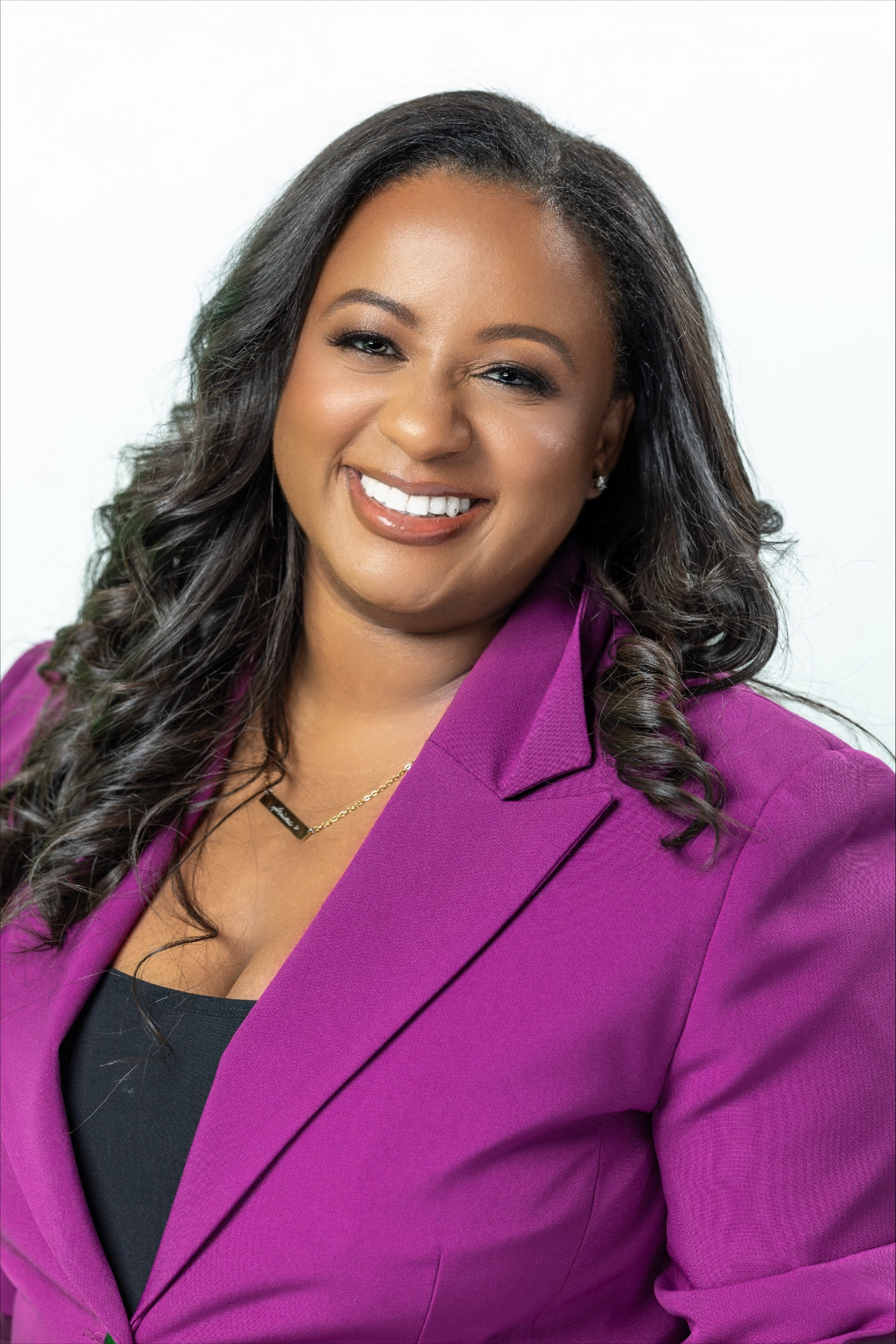
[00:00:33] Speaker B: Joining me today is powerhouse storyteller and producer whose work has inspired audiences from around the globe. Devon Franklin. He's executive produced major studio hits like the Pursuit of Happiness and the recent Karate Kid to now building his own production company, Franklin Entertainment. In this episode, we'll discuss the path to producing what it takes to make a faith based film successful and how to master both the business and, and the purpose behind the work. I'm your host, Arianna Drummond. Welcome to NAACPS Inside the Industry.
Mr. Devon Franklin. Welcome to NACPS Inside the Industry. Thank you so much for being here.
[00:01:16] Speaker A: Of course. Thanks for having me.
[00:01:17] Speaker B: Nice. How are you feeling?
[00:01:18] Speaker A: I feel good. You know, it's good to see you again.
[00:01:21] Speaker B: Nice. And I just want to say thank you so much. I remember meeting you last year at NAACP convention and you just were so gracious to me, to everybody that you met. So I'm really excited to talk to you today.
[00:01:31] Speaker A: Thank you. We had a good convention. I was just honored to be there.
[00:01:33] Speaker B: Nice. Nice. Amazing. So when I think about your life up until now, you've just achieved so many different accolades. You've held executive roles at major studios like Columbia Pictures and you've overseen films like Pursuit of Happiness and Moneyball and the Karate Kid. When you look back at those milestones, what do you think has been the key to your continued success?
[00:01:54] Speaker A: Wow, that's a good question. You know, I think the key is being a student, you know, always being a student. You know, I've always been passionate about films and passionate about moviemaking and wanting to learn. Like, okay, how does this work? And how do you make better movies? How do you develop better scripts? And so, you know, when you even list some of those films that I worked on as an executive, you know, the. The through line was, you know, wanting to be of service. You know, I was like, okay, how do I make an impact? How do I serve? How do I help? How do I contribute? And that can kind of, I think, disposition, especially when you're working in a corporate environment, I think that really leads to longevity. You know, when you have people that, you know, want to be of service, that want to give, that are passionate, that want to, you know, learn, you know, how to become great and learn the business. I think that combination of things really lent very well to me. Getting more opportunities to work on more movies, to learn and to, you know, basically work my way up the ladder.
[00:02:50] Speaker B: Nice, Nice. So, first and foremost, congrats on your recent partnership with Netflix and Tyler Perry Studios.
[00:02:55] Speaker A: Thank you. Thank you.
[00:02:56] Speaker B: And also with all the success behind Ruth and Boaz, amazing work. Yeah. Like Image Awards, I was like, okay, but, you know, what can fans expect from you next? I know. Tis so Sweet is releasing later this year.
[00:03:08] Speaker A: Yeah, yeah, later this year. It's inspirational True story starring Taraji P. Henson and Angenou Ellis Taylor and Joey Badass. You know, it's his big screen debut. I mean, it's such a powerful story.
That's true. You know, I mean, and I'm not going to, you know, give it away, but it's. It's true. Like, I've had a chance to make, you know, inspirational films about, you know, inspirational true stories about white families, Latino families, and this is my first one about a African American family, black family. I love that. Yeah. So I'm really, really excited about it. You know, it's a miracle. It's a miraculous story that took place in our community.
[00:03:44] Speaker B: And how was it working with all of them?
[00:03:46] Speaker A: Amazing. I mean, absolutely amazing. You know, Tasha Smith directed it and Russell, you know, Hornsby is also in the film and it's great. It was just an honor and a pleasure, and I love that to be able to have a story that could attract this, a list and a level type cast.
[00:04:03] Speaker B: I want to get your hot take on this for a second. So recently there's just been a lot of buzz and controversy, specifically around the new movie. You mean Tuscany? Specifically, the broader conversation about just the lack of black female romance. So with the shifts that we're seeing in Hollywood, what responsibility do you feel as a black producer to shape representation and also just the stories that are being told right now.
[00:04:26] Speaker A: Yeah, I mean, you know, I feel a huge responsibility. I mean, my last two films, you know, Ruth and Boaz was a love story, you know, starring Saraya and Tyler Lepley. And then the film that I just released was another romantic comedy, you know, with Kelly Rowland and Method Man.
Yeah. You know, so I feel, you know, an Obligation to do, you know, movies that can uplift the culture. And so when I, you know, I've seen some of the conversation around you, me and Tuscany, and I'm, I'm hoping and praying that it works, you know, and does well, because at the end of the day, you know, we as a community have to support ourselves, you know, and support each other and make sure that these movies are successful. You know, I'm so grateful that Ruth and Boaz was successful for Netflix and relationship goals successful for Amazon prime and I'm praying that me, you in Tuscany is successful for Universal so that, you know, for what, for whatever reason. And I don't know exactly why this is in the industry, but it feels like every time, you know, one of our movies is coming out, it feels like the whole, the whole threshold, a question of like, can black movies work?
You know, becomes a question and it just shouldn't be a question. Not every horror film that comes out do you think about, well, can the horror genre survive? And so I'm hoping and praying we just get to a place where our movies are made. It's what we do, you know, everyone comes out and supports them and we just keep rolling, you know. And so my hope and prayer is that that's what happens.
[00:05:43] Speaker B: Amen. No, same. I mean, you know, I'm just looking at all the. And to your point, it's just, it's crazy that that's even a conversation. We've seen the success of many of the films that you name and just over the last past year and it
[00:05:56] Speaker A: shouldn't even be, it shouldn't be a conversation. So, you know, the fact that it is, is still a little upsetting and I'm hoping and praying we can just put that conversation to rest.
[00:06:06] Speaker B: So your projects have consistently balanced commercial success along with just meaningful storytelling. Does it feel harder in today's societies to get faith based films greenlit at all? And then especially also just resonating with specific audience, we see that more audiences are leaning more towards like drama filled content.
So do you, do you feel like it's harder at all?
[00:06:30] Speaker A: That's a good question. I wouldn't say that it's harder, you know, I mean, I have been in the entertainment business for, you know, 30 years, since I was an intern. And then I became an executive about 20 years ago and I started my own production company about 10 years ago. And yeah, you know, so it's been quite a journey. And what was interesting is that, you know, I was raised in the church in Northern California and Oakland and coming to Hollywood, you know, was always a little bit of a taboo thing for someone from, you know, from the church, like, oh, wait a minute, you can't go. And you know, if you go, you're gonna lose your faith. And so, you know, I said, well, look, I gotta go. I have to go to the industry. I feel God is calling me to. And so as I've been in entertainment, you know, the path to kind of the faith based lane, so to speak, has been very organic. You know, the first movie I worked on as an executive was Pursuit of Happiness. And when I first saw the film, the first cut of the, I was like, wow, this film is so inspirational like this. I mean, we were all crying in the screening room when we saw it. And so I was like, okay, how do I help take this, this, this message of faith to the world? And I did a business plan, you know, 40 page business plan on how to, you know, take the message of faith and pursuit of happiness, you know, to the church community and got Will to buy in and did all these different, you know, grassroots activities around the movie and with him. And the movie was very successful. And so that was a very organic thing, you know, and then doing, you know, jumping the broom and, and not easily broken, you know, with Bishop T.D. jakes when he had a deal at Sony and Heaven Is for Real and Sparkle, all this was very organic. So My point is, 10 years ago, when I left Sony, I quit my job and, you know, stepped out on faith, started my own company. Amen.
And what was interesting is that, you know, given that I've been passionate about faith and about film, you know, starting my own company has given me opportunity to be able to make content that, you know, appeals to the mainstream but also speaks to an underserved audience, which is the faith audience. And so it has not been exceptionally challenging to do that and to be consistent. Sometimes it's challenging to find the right story. But overall, I've seen studios be very open to, you know, telling, you know, these stories that can be uplifting and be inspirational and in some instances, you know, be very specifically faith. In other instances, more generally, faith. And it's been, it's been great, you know, and I'm in a partnership right now, as you mentioned, and that partnership has been really, really, you know, awesome. To be able to also tell our stories and do it from a faith lens, that's something that has not really been done. You know, I mean, again, you go back and say, okay, what was the last faith based movie that was made by us, it was probably jumping the broom. Yeah. You know, jumping the Broom came out in 2011, so that was 15 years ago.
So right now, to be able to tell, you know, these stories, tell stories from our culture, our community, stories that appeal to our culture and community and to ult, you know, have that element of faith, it's been something that I love, and I've seen a lot of opportunity in being able to make these films.
[00:09:27] Speaker B: That's amazing. So, I mean, you talked a little bit about, you know, telling your own stories with you being now you're owning your own production company. How important. Or talk about the importance of ownership right now, especially in this stage of your career.
[00:09:39] Speaker A: Yeah. You know, ownership is critical. It's essential. And it's one of the reasons why I left the studio system and left the comfort of benefits and a job, a regular paycheck. Okay. To do this crazy thing, you know.
[00:09:52] Speaker B: Oh, my God, look.
[00:09:53] Speaker A: Right, right. Amen. Amen. You know, so it's. It's working out, you know, but. But definitely. Listen, it is not. It's not been easy. I'm sure at the end of the day, you know, if I don't generate the content, then, you know, I don't eat.
[00:10:06] Speaker B: Yeah.
[00:10:06] Speaker A: So, you know, that part has been an adventure and a challenge, but it's been good. It's been good. And also for me, I feel like I'm still. I've done a lot, but I'm still on the path, you know, I feel like there's still more for me to do. I feel like I. I don't even think I've had my breakthrough moment yet, to be quite honest with you. And I think that as those things happen, then the opportunity for even greater ownership presents itself.
But to be here and to run my own company, my emphasis in college, I went to usc. I majored in business. I minored in film. I emphasized in entrepreneurship. And so starting my own company was an entrepreneurial endeavor. And to now have a CBS deal on the TV side and a Netflix deal on the film side and doing all different types of things in multimedia, it's really been a. A blessing. And the goal is to have as much ownership in these different verticals as I can.
[00:11:00] Speaker B: Amen. I mean, you talked about ownership. I mean, you're an actor, you're a author, you're filmmaker, producer, all of these things. How are you able? And you've done such an incredible job at this, but, like, how are you able just to navigate being successful in those different industries?
[00:11:17] Speaker A: Yeah. So for me, it's like one wheel, different spokes.
So that is really fundamentally how I'm able to organize it in my mind and then how I'm able to execute it. And so what I mean is, when I came to Hollywood, my number one reason for being in the business was I believe Hollywood is one of the most powerful and influential mediums in the world. And if I can be a part of it, I believe that I can change people's hearts and minds for the better. That's always been the mission statement. So then as I focused primarily on film production, that became the trunk of my tree. And then as I built that, you know, those roots in the trunk, then, you know, becoming an author, you know, was a branch, you know, then, you know, becoming a speaker, becoming a preacher, you know, all these branches just started growing off of this tree. Becoming an actor, you know, it all started to grow off of this tree. But ultimately, it's still the same thing. Everything that I do, whether in front of the camera, behind the camera, the goal is, how does the person watching it, reading it, consuming it, how are they better? How are they made better? How are they inspired? How are they informed? You know, even the character I play on Tyler Perry's Divorced Sisters, which is now on Paramount. Plus, you know, he's a pastor, but he's also, you know, he's got an edge to him. You know what I mean? Got a little bit of edge, you know, in the first season, he leaves his wife in the car all night, you know, but. But, like, again, somebody watching that, and you see a man who's made a commitment to faith, but he still wrestles with his humanity, you know what I mean? And so you watch Ruth and Boaz, and you see, you know, this couple come together in a divine way. You watch relationship goals, and you see, you know, what this book can do to bring people together when they fix their aim. So it's all one wheel, you know, different spokes. It's all one tree, different branches. And so that allows me to go into each. In each vertical, each gift with that mentality that. So it's like, oh, as an actor, I'm approaching this character when what about this character is gonna be interesting? What about this character is gonna be motivational on some level, and I just tap into that, and that becomes the undercurrent that allows me to do it. I think that if I was doing different things that didn't align, it would be harder to do it, of course.
[00:13:29] Speaker B: Yeah.
[00:13:30] Speaker A: But, you know, that's how I do it, because it's like, oh, okay, today I'm writing a book. Today I'm doing a podcast interview, Tomorrow I'm producing a movie. Oh, but it's all the same thing on some level, just different ways of expressing it.
[00:13:41] Speaker B: And you're doing it well and you're doing amazing.
[00:13:43] Speaker A: Thank you.
[00:13:43] Speaker B: Amazing job at it. I wanna shift for a second. Where do you see the biggest opportunity right now for storytellers, especially, like, black creatives that are navigating this landscape?
[00:13:53] Speaker A: Yeah, I mean, you know, I think the biggest opportunity for, you know, black creators, you know, is Internet. You know, I mean, it's like, historically, the barriers to entry for music have always been lower, right? Where you. You can be, you know, you can go find a little recording studio, set something up in your house. You know, it doesn't cost a lot of money. You can make a hit record and go. Whereas film, it's a much more expensive endeavor. So it's much harder for people to do that. And historically, those costs have been greater, but now those costs are coming down because the iPhone, it's a 4K camera, right? Which is better than any camera that you could be able to get for that price in history. So now you can literally make a movie on your iPhone. You can distribute it on your social media channels, People can watch it, and then you're like, oh, they want more of this. So the more entrepreneurial you are, using social media and AI and technology. And when I say AI, I don't mean AI as a replacement for creativity. I'm saying AI can be used as a tool, you know, to help you execute what it is you see. And so I think that right now is very important for black creatives that want to get in the business to be entrepreneurial, to tell the stories that you want to tell the way you want to tell them, to learn how to tell great stories, build your audience, build your following.
And we're in a time now where, you know, when. When, in my experience, when Hollywood sees something, they're like, oh, wait a minute, this person has this audience and these stories come here, you know, we want to do more, you know, and I feel like right now is the best time to be a, you know, black creative entrepreneur. And when you look at micro dramas, I mean, micro dramas are becoming much more successful where people watch, you know, for 10 seconds and go on to the next one. Like, there's so many different ways now to get into entertainment and to get into media. I mean, podcasting, you don't even have to have, you know, you don't have to have a lot of resources to do a podcast. Anybody can start a YouTube channel. Anybody can have a podcast. And so what that means is that if you are good and you have something to say and you have a point of view and you work at your craft, the sky's the limit.
[00:16:04] Speaker B: I definitely want to come circle back to that, but first, I really want to circle back to your humble beginnings a little bit. When did you first fall in love with filmmaking and producing?
[00:16:15] Speaker A: Yeah, you know, the first time. I mean, you know, in terms of film, like, you know, I just remember, you know, as I mentioned, I'm from Oakland, and my aunt Donna used. I'm the middle child of three boys. And so my aunt Donna, we would spend some weekends with her, and she would take me and my brothers to the theater and the movie theater. And there was this one theater in Oakland that doesn't exist anymore. It was over near the airport off of Hagenberg.
And she would take us before we would go to the theater, we would go get some chicken nuggets from KFC and some potato wedges and stuff, Hide them in her purse.
[00:16:49] Speaker B: Oh, I love that.
[00:16:49] Speaker A: And then we would literally movie hop. We would go from one movie to the next to the next. And I remember going into the theater and the sun was out and then coming out and the sun was down. And it was one of the most magical experiences because I felt like I was transported, you know, into these worlds. You know, watching, you know, Rocky IV and watching, you know, whatever the.
The New Jack City, which I probably shouldn't have been watching, but I was watching anyway. You know, just, you know, just seeing these. These stories and these characters, you know, lean on me, you know, just that. That was when I fell in love with it. You know, I really fell in love with, like, this experience of going in and watching things on the silver screen and. And just being transported into the lives of these characters and these worlds and to laugh and to cry and to then, you know, find out, okay, well, how's the hero gonna. Going to win this time? You know, so that was really inspiring to me. And then what was interesting is that, you know, my father died when I was nine years old of a heart attack when he was 36.
And it was going to church in movies. Movies and watching television shows that became my therapy.
So movies went from just being, you know, a form of entertainment to then, for me, being a form of therapy.
And it was that impact, which is what really motivated me to come to Hollywood with the mission, because I felt like well, if movies and entertainment can help me, a young 9 year old, 10 year old kid, find a sense of purpose, then maybe I can use that to help others find a sense of purpose.
[00:18:25] Speaker B: I love that. That's beautiful.
[00:18:26] Speaker A: Thank you. Thank you.
[00:18:27] Speaker B: I know you were talking about just watching films as a young child and trying to understand maybe how not only stories are made, but how they move people. You talked about being inspired by some of that. What do you notice that still shows up in your work today that maybe you utilize when you were younger?
[00:18:45] Speaker A: You know, what shows up in my work is we talked about a little bit earlier, but service, meaning, you know, I grew up in the church and the same year my father died, my uncle started a church in East Oakland, California, and it was called Wings of Love, Maranatha Ministries. And so it was a family church. And so we did a little bit of everything. You know, I would, when I was a kid, you know, I would usher and then learn how to be a deacon, take up the offering, play the drums, direct the youth choir, give the announcements, read the scripture. I mean, he was using, oh my goodness, I mean everything. Go downstairs after church when we had our fellowship dinner and put up the tables and chairs and then sweep and put them down and all the things. And so that like, you know, foundation of service is what I have applied to my career. You know, how do, how can I be in service of, you know, whoever I'm making the movie for, like what studio? Okay, how can I be, you know, of good service to them? How can I service the audience? How can I service the actors in the film? You know, how can I service the culture? That's. That is the thing that has stayed consistent. You know, I'm always looking like, man, I want to be of service, I want to be of service. I want to provide a service. You know, it's a great. And it's a blessing to be able to be able to produce. It's a blessing to be able to be in this business. And I. And part of that blessing for me is the opportunity to serve. And so that's what I learned in those kind of formative years that I still apply each and every day, every time I'm developing a script. How can I serve the audience? How can I serve these characters when I'm marketing a film? How can I be of service to the studio? That's always the through line.
[00:20:23] Speaker B: I love that.
So I know you talked about losing your father at such a young age, but also by being raised by a strong coalition of just strong Women.
So how does that shape the way that you lead and also make decisions today?
[00:20:37] Speaker A: Yeah, you know, so when my father died, my mother brought in the help of my grandmother and my grandmother's seven sisters to kind of, you know, form like, this coalition, so to speak. And so, you know, growing up, you know, my mother certainly, you know, led the charge, and. And without her, you know, I certainly wouldn't be where I am. And it was a blessing to have that level of support from my grandmother and my grandmother's seven sisters. And so, you know, growing up, I did a book on. On this called It Takes a Woman. And it's. And you can listen to it on audible. And growing up, it's like, it was an interesting thing because we were raised, you know, with them, and so they would give us, you know, their points of view on faith, on. On love, on sex, on money, on being black, you know, so. So. So I learned so much at a young age, and. And that shaped everything, right? It really did, because it was like, wow, I would not be anywhere without these strong black women who have sacrificed for me and my brothers. You know, I mean, when my mother, you know, she's like, hey, I'm a single parent, and she was running a daycare center and, you know, trying to take care of us. And then they would come and say, hey, take a weekend off. And, I mean, they just were so helpful and so supportive. And so as I got older, I started to realize, like, wow, how fortunate I was, how blessed I was to have this support from my own coalition of black women who were there for me and still are. I mean, here's the beautiful thing about it is, like, everything that I do, everything that I've become, I can draw a line straight from here back to how they were there for us. And their greatest hope was losing my father.
Here are three young boys, three young black men that could become a statistic.
And their greatest hope in life was that we would be okay as we became men, as we became able to stand on our own. And so now they look at everything that we do, and it validates my mom's sacrifices, their sacrifices. So everything that I do is a testament to my mother and to my great aunts and having that kind of foundation. And. And five of my great aunts are still alive. My mother is still alive. My grandmother has passed away, and a few of the sisters have passed away. But, yeah, it's okay. I mean, you know, we had a great time while she was here. But my aunt Nuna turns 100 this year, she's still wearing heels.
You know, she's still doing it. And then the youngest great aunt, aunt Sandra, she's 79. She'll be 80 this year. And then I have three aunts in between. And so it's a blessing. One of my favorite things in life is to spend time, you know, with my mother and with my great aunts. I mean, you know, I mean, we will still hang and laugh and. And they give me their opinion. I read this article and I like when you said this. And I watched your movie and I watched this and now I don't know about that. Pastor Jefferson on Divorce Sisters. Now, wait, what's going on with this character? That's right. I mean, they are still. They are so invested and involved, you know, in my life and, and the life of my wife and. And it's just a blessing. I would not be who I am without my mother and these dynamic, amazing black women that came in and filled. They stood in the gap for me and my brothers to be able to get here.
[00:23:59] Speaker B: Absolutely. I don't know what I would do without my mom.
[00:24:01] Speaker A: Yes, yes. And also to the women, the single parents.
Single parents. Just know that the sacrifices for your child are not in vain.
You know, you don't know how they're going to grow. You don't know how the sacrifices you make in that moment are going to take root and actually, you know, make provision in the future, but they will. So it's really important, you know, to know that the sacrifices will never be in vain.
[00:24:24] Speaker B: You talked about, just for a moment, sacrifices.
Was there any moment in your career that you were like, I don't want to just work? And I mean, you talked a little bit about it earlier about, like, inspiration, but, like, I don't want to just work in this industry. I want to shape it. What does that look like for you?
[00:24:43] Speaker A: You know, that's a good question. Like, I, I don't think I ever thought about shaping the industry per se.
That was never quite been a, you know, a thought. Like, it's really been about being of service, you know, so it was like, okay, I was an executive and, and was of service in the movies that I did and then became a producer. And then while I was producing, I served on the board of governors for the Academy of Motion Pictures Arts and Sciences for six years and was really helpful in the diversity initiatives that the academy was able to enact.
And it was just about service, you know what I mean? And the movies that I make and the TV shows, it's just about service. And I guess in that type of service, some shaping does take place, but I certainly haven't, like, approached it from a standpoint of like, oh, I want to shape the industry.
[00:25:38] Speaker B: Got it.
[00:25:39] Speaker A: You know, my goal is I want to tell the stories that I feel compelled to tell, and I pray that those stories resonate with the widest audience possible. And I feel like if that happens, then in some way, the industry, you know, is shaped, you know, and I got to really think about it. I mean, this is really the. Honestly, the first time I've ever even thought about.
So I'm like, hmm, I've never thought about it.
[00:26:00] Speaker B: That's great.
[00:26:01] Speaker A: Never. It's really. It's really never been about that. It's just been about, okay, being of service. How do I get this done, how do I move this forward? You know, how do I create? You know, like. Like, how do we make sure this is successful? I mean, it's just been that. It's been that mentality and that mindset, and also, like, I want, at the end of my life, whenever that is, you know, I don't want to leave anything in. So that's also what fuels me to do the different things that I do. Cause if I can do it and I'm given the opportunity to do it, let me get whatever's in me out.
And in the process, if that shapes the culture and shapes the industry in a better way, then I'm here for it.
[00:26:34] Speaker B: I love that.
[00:26:35] Speaker A: Thank you.
[00:26:36] Speaker B: So, you know, I told you when we first started, I think when we created Inside the industry, it was really about just being a resource as folks just trying to break in. So I know that there's somebody watching this right now who may not even fully understand what a producer does. So how would you define what a roller producer is at its highest level?
[00:26:54] Speaker A: Yeah, so a producer is basically, you know, we. I mean, we're everything. Well, I can only imagine, you know, a movie doesn't get made without a producer. Producer is like, basically the one who made it. So, like, in my case, you know, all the movies that I produce, those are stories that I found that I hired the writer, developed the script, hired the director, you know, cast the film.
They're physically producing the movie, you know, working on the budget, working on the schedule with our line producer, any. And also, producing is problem solving. So once you. Especially once you get into production, there are problems every single day. The fact that movies get made and completed, every movie's a miracle.
It's. Cause there are so many problems. You Wouldn't. I mean, you know, this actor, you know, can't make it today because that's this, or we've lost this location or we're losing the light. How do we adjust our.
So the producer is there, you know, helping to troubleshoot, keeping everybody, you know, focused, doing what needs to be done to provide solutions and keep the movie on track. And then when we get to post production, you know, the producer works with the director on the cut of the film and the music and the color, timing and every aspect. And then once it goes to, you know, it's time to release the film, then the producer, in many instances is working with the studio on how the movie's going to be promoted and publicized and all the things.
[00:28:17] Speaker B: I did not know you guys did all that.
[00:28:18] Speaker A: Oh, my goodness.
[00:28:19] Speaker B: That's insane. That's a lot of work.
[00:28:20] Speaker A: It's a lot of work. It's a lot of work. People don't realize it's a lot of work. I mean, producing is a lot of work, you know, and I know, you know, I kind of do it with a smile, but, man, I was about to say that. Let me tell you, Let me tell you something.
It is a hard job. It really is. But, you know, it's rewarding because at the end of the day, you know, if you. It's like when I see my name, you know, on a movie, it's like, I know that I, I. All the things I had to go through, you know, all the sacrifices, all the challenges, it's worth it to be able to get that story, you know, in the, in the world. But that's what a producer does. A producer usually is the one that finds the content, will sell it to a studio, and then oversee it pretty much through the entire process.
[00:29:03] Speaker B: Again, I commend you because I, I did not know that you guys had to do all that, so. Oh, yeah.
[00:29:07] Speaker A: Oh, yeah.
[00:29:07] Speaker B: Interesting to me.
[00:29:08] Speaker A: Yeah, it's. It's interesting to me too.
[00:29:12] Speaker B: I know earlier we talked about some of the movies that you worked on and specifically for Heaven is for Real.
[00:29:17] Speaker A: Yeah.
[00:29:18] Speaker B: And just the massive box office successful that, that it had. So we talked about it. Just your, your strategy and being implemented to like, you know, implementing the grassroots and marketing and publicity. So what marketing decisions did you think you made that made it really stand out, that made it such a box office success.
[00:29:37] Speaker A: Yeah. When I. Heaven is for Real was the last movie that I oversaw as an executive, and I think what made it stand out from a marketing standpoint was one, it was based upon a Book that was already a New York Times bestseller.
[00:29:49] Speaker B: Yeah.
[00:29:49] Speaker A: And so that helps because the awareness of the story was, was fairly wide because that book had been on the New York Times bestsellers list since the book had come out. And it was a very successful book. So people were anticipating the, the movie once we announced that the movie was happening. And then the other part of it was, you know, hand carrying the film, you know, to cities and churches and communities all around the country. That was so essential to the success of the film because then you had people who saw it early, they felt invested in, like, oh, wow, this movie is really good. I saw it before anybody else and they were so excited to tell everybody. And that in that word of mouth just started to spread.
So we had a very strong word of mouth campaign. You know, also at that time, you know, it was like the digital marketing was just starting to take shape and we definitely had a, you know, really strong footprint there, which was very helpful. And at the end of the day, you know, everybody, no matter what religion, no matter what faith, faith or no faith, all of us carry what is called a death anxiety, which is sometimes we're aware of it, sometimes we're not. All of us have a little bit of anxiety about death.
[00:31:02] Speaker B: Of course.
[00:31:02] Speaker A: When's it going to happen? How's it going to happen?
And usually things that can provide hope for that anxiety tend to do well.
So the movie provided hope for our death anxiety. Like, hey, here's what happens. This young kid had this near death experience and he went to heaven and he came back and he tells us what he saw. And just the story of what he saw provided hope and provided a little bit of ease for that type of anxiety. So it wasn't just the marketing. I think the story itself really had something in it that people found a value and when they watched it would cry and find a lot of hope in the face of death. That, okay, maybe there's more to life than, than what I may have thought. That's how some people thought when they saw the film.
[00:31:51] Speaker B: So yeah, I would definitely say like that was one of my biggest fears growing up is like, okay, I'm a die and then the world's just going to keep going on and when is going to end. So I definitely.
[00:32:01] Speaker A: Right, yeah, yeah. And that was important in that film. You know, we made that film for like $14 million. And you know, it was interesting. I don't even know I should be saying this or whatever.
You know, I don't work there no more. But you know, before the Movie came out, Sony cut the marketing budget.
[00:32:24] Speaker B: Are you serious?
[00:32:25] Speaker A: They cut it down because they just didn't think the movie was gonna work. They didn't believe in it. And other folks, you know, at the studio were just being to me, telling me, because I worked on all types of movies. You know, I worked on the faith films, but I also worked on big budget films. And so that people were just saying, devon, you know, like, I had given so much to Heaven is Real as an executive. Like, I mean, I was there from ground ground zero. And people were like, well, you don't want to be known as the faith executive and the faith guy. And, like, don't put all your eggs in that basket. And I'm like, look, I hear what you're saying, but I got to get this movie to the world, and I'm gonna give it everything I got. So that opening weekend made it for 14.
We opened it on an Easter weekend. Over the five days, it made $30 million.
Yes. And it was gonna. You know, the projections were that it was ultimately gonna get to, you know, 100 and so two days after opening weekend, I'm sitting in the chairman's office, and she's like, devon, this is amazing, and you're a genius, and we're going to promote you, and we want to give you more money. And I said, no. I said, I'm quitting.
[00:33:28] Speaker B: Are you serious?
[00:33:28] Speaker A: I'm dead serious. I said, I'm quitting. I said, I'm making too much money for y' all that I can't participate in. I said, I'm starting my company, my production company, and I want you to fund it.
[00:33:37] Speaker B: When did you realize you were going to make that decision? Like, was it. Was it before then or just, like, in the midst of all that, that you're like, I'm sick of this?
[00:33:43] Speaker A: It was in the. It wasn't. It wasn't so much about being sick of.
Was about.
You know, it's like, I always wanted to have my own production company. You know, When I was 22 and graduated from USC, I graduated with the business plan for my production company. But at 22, nobody wanted to give me a company. You know, there was no producer's chair available to me. It was a assistance chair. And so when Heaven is for Real came out, that was 14 years after graduating. Right. So I was. So in those 14 years, I got a lot of experience and expertise on how to actually produce a movie. If I had been given the company at 22, I would have blown it because I didn't Know, as much as I had willingness, I didn't know. But by the time I got to Heaven Is For Real, there were a number of movies that I had worked on that if it wasn't for me, they wouldn't have existed and the success wouldn't have happened. So by the time I'm sitting with her, I realize, like, oh, I know enough, and I have enough expertise. I have enough of a profile to be able to do this. So it wasn't premeditated, you know, but I just came in in that moment, and we had that, and she was having the, you know, we want to do all these things. And I was like, if I don't take it now, if I don't go for it, it ain't gonna happen. It ain't gonna happen. And I did. And, you know, she said, okay. And we did it. We negotiated the deal. Of course, I was scared. And here's. Here's the crazy part about that. Not only was I scared, but while we were negotiating the deal, I still was doing my executive duties.
And so the deal took about six months around there to close.
And one month after the deal closed, Sony's computers got hacked.
Yes. And the chairman ended up, unfortunately, losing her job and transitioning to becoming a producer. And so whenever I tell this part of the story, I tell that because if I had waited, the window would have closed.
It would have closed. So it was really one of those things where it was like, okay, you know, when you feel it, you gotta go for it. And then the cool thing was that once I got on the other side of it, I knew how to put these movies together because I had the time and the experience. And that's one thing I would say. I know you didn't ask this question, but I want to say this for anybody watching, don't let impatience infect your commitment to your craft.
Meaning there were many times I knew I wanted to produce when I was 18, had the business plan at 22, didn't get the company until 36.
So that's. That's, you know, and I started interning when I was 18. So that's 18 years of showing up, learning the business, being patient, waiting my turn.
And. And that, to me, is where I think sometimes as generations gets lost, because there's an impatience. There's an impatience, and I want. And there's an urgency, and I want to get it now. Well, why, I promise you, if you stay a student of your industry, if you make a commitment to be of service and you learn your business and you learn how to tell great. If this is what you want to do. Learn how to tell great stories. Learn how to be a great actor. Be passionate. Let your passion guide you, and be patient.
Patience and passion get you to your purpose.
[00:36:52] Speaker B: The episode is done, guys.
No, that's some good that. Oh, yeah. I'm always like, be still and know that he is God.
[00:37:00] Speaker A: Like, he got it.
[00:37:01] Speaker B: Like. And God's timing, too.
[00:37:02] Speaker A: God's timing. And if I had pushed the issue anytime before that moment, I would have missed it. I would have missed it. But at that moment, I knew that. That I had a hit.
I was making money for the company. I had been at the company at that point for, like, almost 10 years. I had been of service. I knew how to make movies. I had a good reputation. Now's the time to cash in all those chips.
[00:37:27] Speaker B: Yep.
[00:37:27] Speaker A: That was boom. Okay, cool mama. Bet on black. Let's go. You know, and thankfully, it worked out.
[00:37:34] Speaker B: I love that.
[00:37:34] Speaker A: Yeah.
[00:37:34] Speaker B: Oh, that's incredible. Incredible, man. So for somebody watching this right now, who wants to become a producer, what do you think is the first real step?
[00:37:44] Speaker A: The first real step is, you know, one. Just in terms of what I did, I studied other producers. You know, when I was. Before I even got in the business, I studied, like, you know, love and basketball. Okay, who made that film? Oh, that was Spike Lee, but it was also Sam Kitt. Sam Kitt used to run Spike Lee's company. They used to have a deal with New Line Cinema. Oh, okay, cool. Well, who made the best man? Oh, Malcolm Lee. You know, Spike Lee, Sam.
I would research producers. Okay, well, who's Brian Grazer? Who's Ron Howard? Oh, man. They run Imagine Entertainment. They're making all this great content. So one study. Who are the producers that you love their content. You want to emulate their career right there. Second thing is, a producer is someone who has access to material. So that can be a book, it can be a stage play, it can be an article. It can be something someone tells you word of mouth. A movie I made for Fox called Breakthrough. I was backstage at an interview, and I went on and did the interview. And then I'm backstage watching the interview of this family who had this miraculous story. And when they come off, I'm like, hey, can you. I want to make your. Your story into a movie. And we made it into a movie. So as a producer, it doesn't really matter where you get your stories from, but you as a producer, you gotta have access to material that's. And then you gotta put it together. So you gotta learn. Like there's a couple books. One is called the Moral Premise, another book called Writing Screenplays that Sell, which really helped with script development.
So you read, you learn how to develop scripts, you work with writers, you know, you hire directors. So as a producer, right now, find the stories you want to tell and start identifying writers that you think can either develop the pitch or write the script for you. And then you take that and you begin the process of trying to sell it. You may have to partner up with a producer like myself who is more established, or you can try to go direct to the studios or you can just make it independently. But if you are a producer, a producer gets things done and gets stories made. You may even say, you know what?
My first thing I'm gonna produce is a five minute iPhone video.
Great, produce it. Get your actors, get your dp, hire your director, do it. Edit it on, edit it with cap cut, boom. Like you just produced a movie. Like, just, just go do it. But study, study to show yourself approved. Learn the business, learn how to do it. And you may also need to go to school. You know, you may need to go to school. I mean, every, the thing about entertainment, everybody had a different path.
So some went to school, some didn't. But I'm not, I'm not, I like school. I think school was great. So if you need to go to school, go to school, learn, learn the craft, understand what goes into it, but keep your passion, because your passion is going to be your fuel. Because when you lose your passion, you don't have the gas in the tank to do what the job requires. And so I would encourage any producer or any producer in the making, you know, what's your passion? What are the stories you like to tell? Why do you like to tell those stories and then do your best to start getting some of those stories made.
[00:40:42] Speaker B: So what do you think is like the hardest part of breaking into the industry or making it as a producer?
[00:40:46] Speaker A: Hollywood is an apprenticeship business by and large, meaning, like you learn by doing. And also Hollywood is a business of, in my experience of paying your due.
And so, you know, it's like people look at me studios and they say, oh, well, you know, we've known Devon, you know, he's been around forever and he's had success and he delivers movies on time and he has an audience that he speaks to. And so there, so there's a conversation like, oh yeah, we know, like there's a familiarity. Oh yeah, you want to do this? Great, let's do it. You know, we believe in you, we believe in your track record. So it's really important. Important to, you know, become as best you can get in the business. It can start as a pa it could start as an assistant. You know, it really doesn't matter. You can start as an intern like I started, but just get in the business and start building your career and start learning and start apprenticing in. In any area that you want. Like, if you want to become a director, okay, work on becoming a PA on the director's movies that you like. Work on becoming a director's assistant. Work your way up. I mean, that's the thing. I found Hollywood to be very democratic in that way. You know, if you commit to the process and you learn and you are of service and you're likable, because likeability, I think, is very important. And if you have really good taste and talent, it's amazing the things that can happen.
[00:42:09] Speaker B: So you talked about a lot about building relationships. I mean, clearly that's really important in just creating and finding these opportunities.
[00:42:16] Speaker A: Critical.
Critical. Relationships are critical.
And so, you know, for me, starting as an intern at 18 years old and becoming assistant at 22 and then an executive around 24, you know, the thing that has sustained me are my relationships, you know, and for me, like when I was at. When I was an executive for Sony Pictures, I didn't just work on the projects, which, I mean, that was obviously a part of my job, but the other part of my job was managing my relationship with the executives above me. I mean, in that. And that, that is. I mean, that's like half the job.
So sometimes we get into a job like that and we think the job is actually the projects. Well, it is, but it's really the people.
And so, you know, I would. I would make sure that my, you know, higher ups had everything they needed from me, that I was in constant conversation, that I was of. Of service to them. And then, so what happened is that started building my rapport, that started strengthening my relationships. So as I started to expand, I had people that were invested in my success.
Even now, you know, I mean, people I can call at a moment's notes, hey, I need advice on this, or what would you do here? And because I've managed those relationships well, they're available to me, so I would just encourage anybody, please manage your relationships well.
[00:43:38] Speaker B: And really quick. What do you mean by. I mean, I know as a publicist managing a relationship, but what does managing a relationship mean?
[00:43:43] Speaker A: I'll tell you. I'll tell you.
[00:43:44] Speaker B: You.
What does that look like?
[00:43:47] Speaker A: Well, here's what it looks like. It looks like gratitude.
It looks like being teachable.
You know, it looks like meaning, like, with the people that I've been able to build relationships with, you know, one being curious, like, okay, I want to know how to do this better. You're an expert in this. How do I do this? How do I become a better executive? How do I, you know, develop better stories? So that curiosity then leads me to seek out a mentor or someone that has the answer. And so one. They're like, oh, great, you came to me. Okay, cool. Well, let me give you this, this, and this. So then the other part of it is gratitude. It could be the form of a note. It could be an email. Thank you. Thank you for sitting down with me. Thank you. And then I can go back and say, hey, I applied what you told me. Here's what happened.
So then what happens is that relationship is like, oh, they're invested, you know, and I'm invested in them. And then we start to build. So that's what it looks like. It looks like handling your relationships with care and also not always looking for what you can get.
[00:44:52] Speaker B: Yep. Say it again. Say it again.
[00:44:54] Speaker A: Like, you know, the. The one thing, the most prized commodity from when I was an intern to now that I always was, was wanting was information.
That's it.
That's all I want. I don't need you to give me a job. I don't need you to give me anything other than information.
And because that was my focus, like, hey, you know, I really need it. I would love to know more about this or that. Then it allowed me to build stronger relationships versus, like, every relationship that I have. Oh, I need a job. Or can you do this? Or can you do that? Or can you. It's like, no, just tell me. Okay, how can I do this better? You know, where am I missing?
Oh, well, if you want to know the answer, here's what it is. Oh, okay, great. Thank you so much. I appreciate that. And then you'd be surprised. It's like, oh, well, that's all you want? Yeah, just information. Oh, okay. Well, you know what? There may be someone I can call on your behalf. You know what I mean? There may be someone I could. Because it's like, oh, so you're not needing me to do. No, I don't know. I just need the information.
But right now, a lot of times, you know, in this generation, we want, well, give me this, give me that, give me that. And if you get information, then you can apply that information.
And ultimately, if it's meant to be, it's gonna get you where you're supposed to go.
[00:46:05] Speaker B: Oh, he dropping gems today, baby. I'm like. Cause dropping gems.
[00:46:10] Speaker A: Amen.
[00:46:11] Speaker B: Earlier you talked about, like, what? Taste. You talked about taste.
[00:46:15] Speaker A: Yeah.
[00:46:16] Speaker B: So what draws you to a project? What is something that you're like, oh, I really wanna make this. Like, is it just, like, an inspiring story? Is it just. I know you talked about hope earlier. What is it that you're like, oh, this is it. I'm taking this.
[00:46:27] Speaker A: Yeah. You know, it's that. It's like, I have to be moved by it. I have to be moved by it. Like, I have to say, ooh, I have to feel it. Like, oh, I know. Okay, I can do this. You know, like, when I came up with the idea for Ruth and Boaz, I was like, oh, yeah. Modern version of Ruth and Boaz that has. It's kind of like music driven. Oh, yeah. I felt it. You know, I was like, ooh, I can do that. You know, the movie I just did with Taraji, you know, it came to me as a TikTok video.
Really? Yeah, yeah, yeah, yeah, yeah, yeah. It's a true story out of Chicago. Yeah. And so, you know, I got sent the TikTok video, and I saw the story, and I. It brought me to tears, and I was like, I gotta do this. You know? And in that particular. This particular story, you know, it's. It's Black Hope.
[00:47:12] Speaker B: Yeah.
[00:47:12] Speaker A: You know what I mean? We don't get that.
[00:47:14] Speaker B: You know what I mean? We talk about black, especially in this account. We're not gonna talk about that.
[00:47:17] Speaker A: You know, we talk about Black Joy, but we don't get Black Hope.
And this is a movie about black hope, you know, And I just. When I saw the story, I was like, oh, man, this is just amazing. So that's what I look for. I look for things that make me feel, and then things that I can sell, I think about, is it commercial? Meaning? Like, is there a marketability to this concept? Who can I make? Who can I? Because if I. If I like something but I can't sell it, I don't know how to market it. I probably won't do it.
[00:47:41] Speaker B: Got it.
[00:47:42] Speaker A: But if I see something that I love and. And I can see how to market it, then I usually will do it.
[00:47:48] Speaker B: So let's pivot really quick about the future of this industry right now.
You've seen the industry evolve from traditional studios to streaming, and now into digital first storytelling. What shift do you think people are underestimating?
[00:48:03] Speaker A: I mean, I think the shift that people are underestimating is storytelling is and always has been our common language.
And storytelling is never gonna go out of style.
Never. And so I think the shift is not so much. You know, everybody sees what's going on with AI and studios consolidating and all that stuff is gonna ultimately settle. But what I don't want people to do is to see these headlines and think that as a storyteller, there's not room for you.
There's always room for a good storyteller with a good story.
So that is so important. And from the beginning, how did we even get here? Our stories were told, Our oral traditions were passed down. And that is so important to remember that no matter the changes in the economy or technology, storytelling is always in demand.
And never have you ever seen somebody when you say, hey, let me tell you a story. And you start telling, tell them the story, and they're like, oh, what? Well, what happens next? When it's a good story, you lean in. And so that's what I want, you know. You know, people today lean in, lean into your storytelling, lean into your stories, and then you can figure out, like, okay, well, what's the best way to use, you know, the technology and to use the shifts that I'm seeing in the industry to help tell the story. But please don't see the shifts and think that you can't tell your story. And that's the other thing I would say, even with all the things that are going on as black folks, as black creators, as black storytellers, we are here, and we're not going nowhere. And, hey, if we got to create our own streamers and studios to do what we got to do, our stories are going to get told. And so it's really important for us to just stay firmly committed that no matter what we see in the headlines, that we are making a committee of one to tell our stories and to get them out there as best we can.
[00:50:03] Speaker B: Amen. Amen. I love that.
And then really quick, I know you talked a little bit about, like, AI and new business models.
What do you anticipate or see what the role of a producer looks like and maybe in the next 10 years, given all this new technology.
[00:50:20] Speaker A: Yeah, that's a good question. You know, I don't know. You know, I mean, I think that the role of the producer, I think, will shift in terms of needing to be more technologically savvy, needing to better Understand AI and all the things that are happening and changing so that you know how those tools can impact, one way or another, the type of content that you're producing. But I also see that the role of the producer is always going to be needed.
You know, the studios don't.
Studio executives are very involved in a movie, but they, they need producers because most studio executives have, you know, any one studio executive probably has 15, 20, 30, 40 different projects they're working on. So having producers that they can trust. Every movie is a multi million. Every studio movie is a multi million dollar endeavor. So you've got to have somebody who you can be held, you can be responsible to and who can be a good partner to make sure that this investment in this story, this multimillion dollar investment in the story actually comes out well. And so I don't think that that role is going to change. I think it's still going to be needed because these studios, I mean, you've seen, you know, the news, I mean, Paramount buying Warner Brothers for, you know, over $100 billion, that tells me, oh, okay, there's going to be opportunity. There is opportunity. Not going to be. There is opportunity right now.
There are studios, there are streamers. Storytelling is in demand.
Billions of dollars are being put into content. And as a producer, exactly how it's going to evolve, I don't know. But I do believe that over the next 10 years, it is still going to remain a very vital role in getting this content to the world.
[00:52:07] Speaker B: So, I mean, earlier we talked about your different endeavors.
When people look back at your career, what do you want your legacy to be?
[00:52:15] Speaker A: Wow, that's a good question.
You know, what do I want my legacy to be?
You know, I want somebody, when they look back at my body, body of work, you know, to see a legacy of hope and faith and like, you know, like, here I am, here I was, you know, a young black kid from Oakland and you know what I mean, with the hope and a dream and came to Hollywood and here's what I was able to do. You know, I mean, very rarely do you see a studio executive, you know, quit their job and start a production company and run that successfully like that, a black studio executive or any studio executive, I mean, you know, most of the time when you're a studio executive as a part of your exit package, if you're a president or a chairperson, is you get a production company, you know, but for me, you know, to leave and quit at the senior vice president level and to be able to get a production Deal. And to be able to make content and do all the things I'm doing, I want the legacy to be one of faith, one of hope, one of inspiration, you know, one of love. You know, I want people, when they look back and they see all the things that I've been able to be a part of, I want them to say, wow, you know what I mean? Like, he had a mission and he completed it. You know, he fulfilled it. You know, he made good on it. And the legacy of great stories will be eternal. You know, we can go and watch these films and watch these television shows or pull up the, you know, YouTube interviews or the podcast or read the book, and it will. And the beautiful thing about film and the beautiful thing about writing and all the things that God has allowed me to do is that the person watching it today, the person watching it 50 years from now, it'll have the same level of inspiration.
So that idea that the legacy is our stories and content that can still uplift, inspire, heal, motivate, provide hope, that would make me feel like, okay. Wow. Job well done. Thank you.
[00:54:20] Speaker B: Beautiful, beautiful. So before we wrap, we do the special thing with all our guests where it's called inside your industry bag. It's not a bag, but it's, you know, a couple of prompts, so if you could kindly pull one of those slits of paper.
[00:54:33] Speaker A: I didn't even know there was paper in here. I'm looking at this whole thing to interview this whole interview. I'm looking at this.
[00:54:38] Speaker B: What is this?
Just pull one out.
It's a question. Random question and answer.
[00:54:44] Speaker A: Okay, we're gonna go deep.
[00:54:45] Speaker B: Okay.
[00:54:46] Speaker A: Into the. Whatever this is. Little plant industry bag.
Okay.
So you want me to read it to you?
[00:54:53] Speaker B: Yes, please.
[00:54:55] Speaker A: Oh, Jesus.
[00:54:55] Speaker B: Oh.
[00:54:56] Speaker A: What's your most unpopular industry opinion?
[00:55:00] Speaker B: You could pick a different one if you don't.
[00:55:01] Speaker A: I'm like, I don't know. I don't know. That's a good question.
I don't know. I don't. I don't quite have that answer. Okay.
What's one industry myth you want to kill?
I think that you have to know somebody to. To get in and to be successful. Yeah, I don't think that that's true. You know, does it help? Sure. But there's, you know, I started in the business. I didn't know anybody. You know, I did not know one person.
And it was just a process of, you know, getting my foot in the door in that first internship and doing that well, and then that parlayed into an assistant role, and then Just been, you know, parlaying that. I mean, every. Everything I've ever done in my career goes right back to the internship. And so I think there's a myth that, well, I don't know anyone or I don't have the money. No, no, no, let's kill that. It don't matter. Just come. You know, and coming to. Now, it's not necessarily even coming to la, because in my day, you know, coming meant come to la and you can still be successful in entertainment. You don't go to la. You know, you can work in Atlanta, you can work in New York, you can work in a different country. But what you're doing is you're aligning your talent and your gifts with an industry, and you are committing to learning that industry and being successful. So I do want to kill the myth that you got to know somebody, you got to have money. No, you don't. All you got to do is have a dream, a good work ethic, passion, commitment, and a little bit of talent. You're going to be all right.
[00:56:27] Speaker B: I'm going to give you a statement, and you're going to tell me if you think it's industry cap or facts, and why so cap or facts? And then why so independent producers have more freedom but less leverage.
That's true or false.
[00:56:41] Speaker A: Ooh, okay, say that again.
[00:56:43] Speaker B: Independent producers have more freedom but less leverage.
[00:56:47] Speaker A: I gotta say no, that's not true.
No, I don't think so.
Yeah, I don't think they have less leverage. I think if you have a story that a studio wants to make and a star that wants to do it, you can have a lot of leverage.
So it's really gonna be relative to the amount of success you had and what stories you are telling.
So it's not. It's. So no, I gotta say no, that's not true.
[00:57:11] Speaker B: I know you talked about internships, but you need to work for free at some point to break in.
[00:57:18] Speaker A: That's probably not true, but I do vow. I think working for free makes a lot of sense because sometimes, you know, learning the business and doing it, you know, my first internship was unpaid. It was unpaid for about a year. And I'm so grateful for it because I got a chance to learn. I didn't. They weren't taking advantage of me. I was grateful to be there.
[00:57:37] Speaker B: Okay.
[00:57:37] Speaker A: And then, you know, I was able to make something of it. And then they said, hey, wait a minute. We got to start paying you. We want you here. And, you know, thankfully been getting paid ever since.
[00:57:44] Speaker B: I love that your first job in the industry will define your career path?
[00:57:49] Speaker A: No, no, that's, that's, that's industry cap or whatever the state is. No, it won't define it. It really won't. I mean, there's so many people that ultimately end up in a totally different place in their career and started somewhere different. It won't. It won't. Your approach to that first job could define your career. You know, how are you, even if you don't like the job, how are you treating the job? What's your mindset? What's your mentality? But the job itself, I do not believe determines ultimately where your career goes.
[00:58:17] Speaker B: And last, having a clear audience is more important than having a broad one.
[00:58:23] Speaker A: My goodness, I don't know. I think these days, because streamers want numbers, you got a broad audience is important. Clear, don't get me wrong, is important. But if I had to prioritize, if you can release a movie or a television show to a broad audience, that may be an amalgamation of different audiences, but it's still broad, I think that's going to serve you better than just a clear audience, because that clear audience could be clear, but it could be small.
And in this world of needing box office and needing streaming numbers, you need to get to as big of a, as broad of an audience as possible.
[00:58:56] Speaker B: You heard it first, guys. You heard it first. But no, I seriously, I just really want to say thank you so much for joining us today.
[00:59:02] Speaker A: Of course.
[00:59:02] Speaker B: You have been incredible and I'm sure somebody on the opposite side of this camera got some gems today. So thank you.
[00:59:07] Speaker A: Thank you. Thanks for having me. As always.
[00:59:09] Speaker B: Got to come back and see us.
[00:59:10] Speaker A: You know I will.
[00:59:11] Speaker B: Amen. Amen. Amen. I hope you enjoy, enjoy today's episode with Devon Franklin. No matter where you are on your journey, we're here to be a resource. If this conversation sparks something special for you, make sure to, like, subscribe and share and drop a comment letting us know what conversations you'd like to see next. I'm your host, Ariana Drummond. See you inside the industry.