Episode Transcript
[00:00:00] Speaker A: Jamie is wild. He. He sets the tone on set, for sure.
[00:00:03] Speaker B: Comes in playing music on this big boombox that he dragging in.
[00:00:06] Speaker A: I really studied how he knows how
[00:00:08] Speaker B: to navigate the day and whatever scenes that we have. It's like he knows how to pick the music to navigate us into that. And I paid attention to that. I was like, that's very smart. Because music is a gateway as well. It can usher your emotions into different feelings. It's my vision for myself. I kind of always just see myself being a light to the world in some way, and I think my art allows me to do that without me having to have a conversation with people. But then through my art, I can have conversations with people and then I can be able to share my life even more.
[00:00:37] Speaker C: Navigating the world of music and film is no easy feat, but today's guest makes it look so effortless.
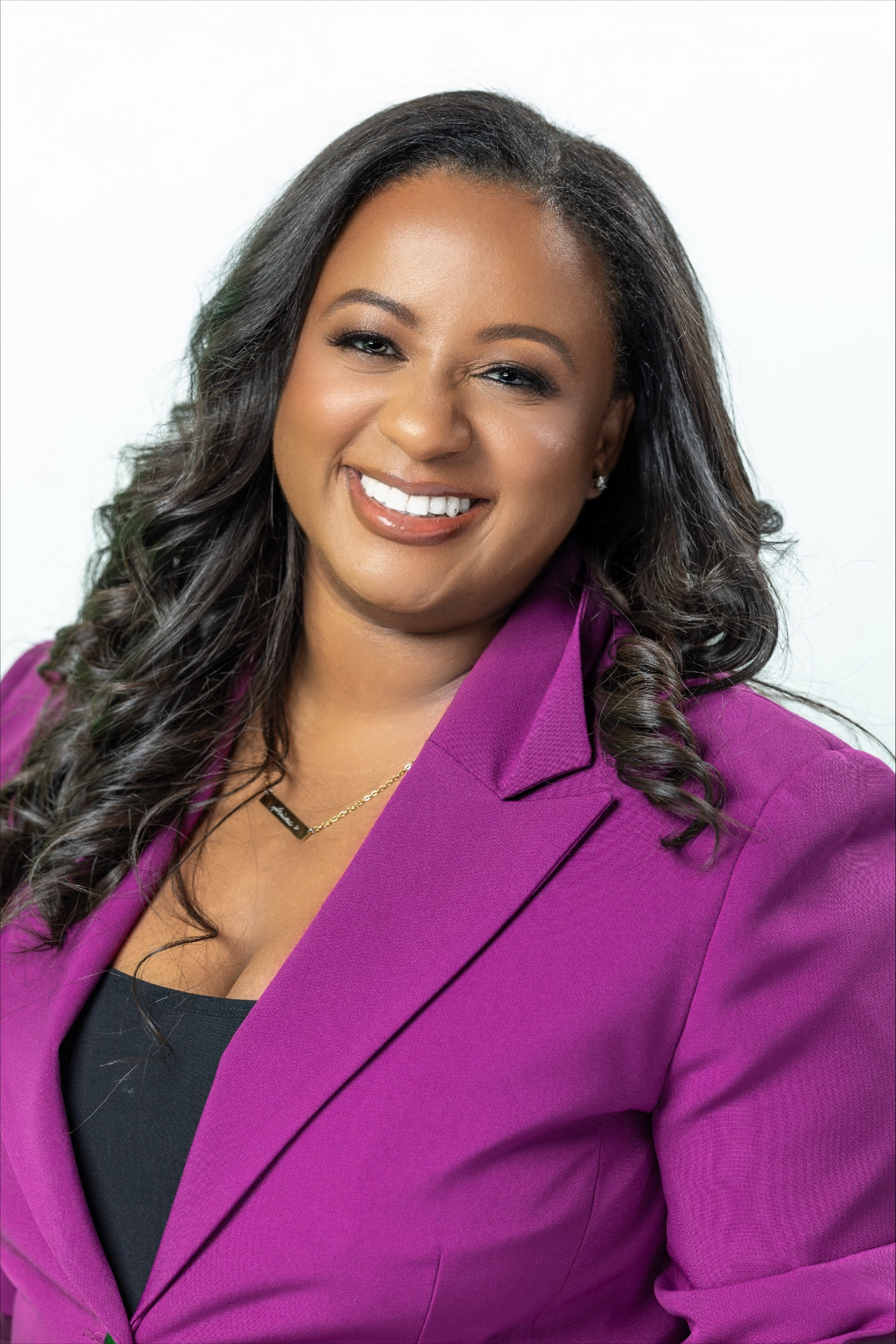
On this episode of NACP Inside the Industry, we sit down with the recording artist and actor Al Jee Smith to explore how he's built a career across both industries. You've seen him in standout performances on HBO's Euphoria and BET's the New Edition story to his latest EP, Love Lost. Algie shares what it takes to stay grounded while navigating the demands of the entertainment industry. I'm your host, Ariana Drummond. Welcome to NACP Inside the Industry.
All right, we got Mr. Al G. Smith in the building. Thank you so much for joining us today. How are you feeling?
[00:01:24] Speaker B: I'm feeling good. Thank y' all for having me.
[00:01:26] Speaker C: Nice. So I. I mean, I've been watching your career for such a long time, and what strikes me most is that you never take the safe route. I mean, you have the new addition story, the hate that you give Judas and Messiah euphoria. Every single project that you've chosen thus far has just asked something real of you. Have you always been mindful of the projects that you choose?
[00:01:49] Speaker A: I don't think I've.
So, yes, I've always been mindful of
[00:01:52] Speaker B: the projects that I choose. Yes, absolutely. I don't think I've gone into it with the idea of I want to set myself apart with these roles. I just. I just chose roles that I felt like, really spoke to me and that I felt like when I read the script, I couldn't put it down, that I felt like the characters were speaking to me, calling me through the script. So just my instinct and my discernment navigated me through that as leading. And my team, I have a great
[00:02:17] Speaker A: team, has, you know, helped Me, shout
[00:02:19] Speaker B: out to the team.
[00:02:19] Speaker A: Yeah. You know what I'm saying? Helped lead me to great decisions in
[00:02:22] Speaker B: the roles that I picked. But, yeah, I think it's just. I think I just try to pick great things that speak to me.
[00:02:27] Speaker C: I love that.
[00:02:28] Speaker B: Yeah.
[00:02:28] Speaker C: So, I mean, to your point, you've chosen roles that are just rooted in truth and consciousness.
But who is Algae off the cameras? Like, who are you when the cameras aren't rolling, man?
[00:02:40] Speaker A: Algae is a loving dog. Dad, off camera. Come on. I got a dog, too. French bulldog. Oh, that's so cute.
He's like six years old.
[00:02:48] Speaker B: That's one.
[00:02:48] Speaker A: Yeah.
[00:02:49] Speaker B: Yeah, he's my guy. His name is Boss.
[00:02:51] Speaker A: So I'm a loving dog that.
[00:02:52] Speaker B: I am a avid, like, journaler. I journal a lot. I am a meditator. I meditate.
[00:02:59] Speaker A: I work out.
[00:03:00] Speaker B: Like to read. I like to trade in the stock market.
[00:03:02] Speaker C: Okay, look.
[00:03:03] Speaker A: Yeah. Come on.
[00:03:04] Speaker C: Side hustle.
[00:03:05] Speaker A: Okay. I love playing pool. I'm a great pool player.
[00:03:08] Speaker B: Come on. Somebody come see me if y' all want that smoke.
[00:03:11] Speaker A: Yeah. I love.
[00:03:12] Speaker B: I love. Man, I love hiking.
[00:03:16] Speaker A: I'm just giving y' all good date options. If anybody want to do something for me. I'm just letting y' all know what. What I like right now.
[00:03:21] Speaker C: I love that.
[00:03:22] Speaker A: But, yeah, no, I'm a spiritual person, too.
[00:03:24] Speaker B: I love going to church. I love feeding my spirit. Amen. You know, I'm a person that just tries to take it day by day and just get better as the day goes on and do better than I did yesterday with whatever that means to me.
[00:03:34] Speaker C: Amen. Amen. So I would be remiss if I didn't give your. My condolences to you on your late co star Jan James Vanderbeek.
How was that experience working along? Just not him, but the whole cast for the Gates.
[00:03:48] Speaker B: Yeah. Thank you for that. Thank you for that.
Yeah. Rest in peace to James, man. Rest in peace to James and sending a lot of peace to his family.
That process of filming the Gates was. It was a blessing, man.
[00:04:03] Speaker A: It was such a blessing.
[00:04:04] Speaker B: I got to work with my brother, Keith Powers again.
I got to work with Mason Gooden for the first time, but it just felt like we all known each other for so long, and then obviously working with James Van Der Beek and just the level of professionalism and just the. You. You can understand the. You can see the years that he's put in.
[00:04:22] Speaker C: Yeah.
[00:04:23] Speaker B: Just by what he does off the camera. Not even when the camera's on, you know, and it was just a great experience. Learning from him. Great experience, being able to go. And so he drove his RV down from Texas to Oklahoma instead of, instead
[00:04:37] Speaker A: of renting a hotel, he got it. He just slept in the rv.
[00:04:39] Speaker C: That's dope.
[00:04:39] Speaker A: It was dope because it was like home to him. Yeah.
[00:04:42] Speaker B: But you know, he drove it to every base camp that we had. So if we were switching locations, he would drive it to the next location.
[00:04:47] Speaker C: Are you serious?
[00:04:48] Speaker B: So one day we all went in his trailer and it was lunchtime and he was just kind of just telling us some gems about life in the industry and how he, how he doesn't put his validate, he doesn't put his identity in this work anymore. He had to struggle with that for a long time. But now he's just about his faith and building.
And that was just great to hear the human, you know, hear the human outside of what we know as a big star and to be able to experience that outside of the camera. So it was dope. Rest in peace to James for sure.
[00:05:16] Speaker C: I love that. That's beautifully said.
[00:05:18] Speaker B: Thank you.
[00:05:19] Speaker C: And for people who don't know, the Gates was a completely different, I feel like film for you. A psychological thriller about three black men navigating a white gated community.
What ended up drawing you to that project?
[00:05:30] Speaker A: Originally, I think again, the script, right?
The script, man. It's all, it all starts with a good script. People don't realize that like the script
[00:05:40] Speaker B: has to be tight in order to speak to people. But to me it started with the script. I read the script and I'm like, yo, I'm on the edge of my seat. The whole time that I'm reading it, I'm like, I can see the.
I had been wanting to do a psychological thriller anyway. Yeah, I can see the action in it, but I can also see the representation of the black community through Kevin.
Yeah, one side of the black community.
[00:06:02] Speaker A: You know, that's the dope thing about
[00:06:04] Speaker B: the Gates is because it shows the perspective of three different black people.
[00:06:08] Speaker A: Their perspective is all not the same.
[00:06:10] Speaker C: Yeah.
[00:06:10] Speaker B: You know, and so I represent a certain perspective and I think being able to see that from the outside and then being able to do that work inside for the character, it made me excited about that. And obviously, like I said, working with my guy Keith, that was a no brainer.
But I was excited to do a psychological thriller. That's what spoke to me about the gays.
[00:06:28] Speaker C: Did you knew who was going to be on the project before you signed on?
[00:06:31] Speaker A: I didn't.
[00:06:32] Speaker B: After I signed on, then they told Me, Keith.
[00:06:34] Speaker A: And I was like, yes, that's my boy. Yeah, that's my guy.
[00:06:37] Speaker B: Yeah.
[00:06:37] Speaker A: But I think that.
[00:06:38] Speaker B: I think that film, and it just has such a great message showing the.
The, you know, the duality of the black experience, but also just the other side of, you know, the other side
[00:06:53] Speaker A: of
[00:06:56] Speaker B: being blamed for something that you did not do and then that being something that everyone else around thinks because, you know, that's what they've been conditioned to think. So, you know, it was good to have a message in the movie as well.
[00:07:08] Speaker C: And we're going to get into that a little later, but specifically with this film, to your point, it pointed out a lot of questions about race, class, and belonging in America, especially right now, just with everything happening politically.
Do you think the timing of the release changed how you thought about what the film was saying?
[00:07:26] Speaker A: I don't think the timing of the
[00:07:28] Speaker B: release changed how I thought about it. I think.
I think the film has. Speaking on something that has been present for a long time. So I think the timing is.
I think the timing is right on time, even if not, you know, even behind a little bit. You know, we've been going through this for a long.
[00:07:47] Speaker C: Okay, preach.
[00:07:49] Speaker A: You know, just these preconceived notions, you
[00:07:53] Speaker B: know, of just because you black, that means that. Oh, he must have did it. Yeah, they must have did it, man. And then having to deal with that on the police side as well. And, you know, I'm even playing. I'm jumping ahead right now, but I'm even playing a role right now in a film called. In a TV show called American Blue where I play a cop. So having to.
[00:08:12] Speaker C: Yeah. How was that experience?
[00:08:13] Speaker A: That experience is so wild. It's so wild.
[00:08:16] Speaker B: And, you know, in my heart, I've had to deal with myself because I've played.
I've played a Black Panther before, and now I'm playing a cop.
And so those two.
[00:08:26] Speaker A: Those are complete different styles.
[00:08:27] Speaker C: Polarized. Yeah.
[00:08:28] Speaker B: You know, and I have to.
I have to kind of take algae out of it and my mindset out of it to be able to serve the character for what it wants. But I can't deny the feelings that I feel of just knowing what we've been through as a. As a people with police brutality and everything like that. It involves it. But as I see on the other side, there's police officers with great hearts as well.
And so it's, you know, it's. It's a journey for me. It's a journey for me. I'm enjoying it so far. You know, just having to, you know, go through a lot within my heart and within my mind. So.
[00:08:58] Speaker C: Yeah, and I mean, you've had some. As I mentioned earlier, you've just had some incredible standout roles. On top of that, you're NAACP Image nominated. So shout out to that.
[00:09:07] Speaker A: Okay.
[00:09:08] Speaker C: And you've. And in that same manner, you've also been building your music in a really intentional way. How do you decide where to focus your energy on?
[00:09:16] Speaker A: I think it's so I. I have
[00:09:18] Speaker B: to find balance for both things because I really love both things. And so I think, you know, even right now, I just got back into town from doing some music related things and I just had three auditions to catch up on in the last two days.
And so being that this is what I asked for, I just have to make time for both things. Sometimes I have to make time for more film things. When that's pressing. Sometime when I need to get a project done or I got a show that I need to do, sometimes the film things have to wait. And that's just a call that I have to be able to make. You're not going to be able to do everything that you want. I've realized that there may be a film that I really want to do, but there's a music engagement that I've already had.
[00:09:55] Speaker A: So it's like, you know.
[00:09:57] Speaker B: Yeah, I gotta.
[00:09:57] Speaker A: I gotta balance that. I think right now I'm doing a really good job. And I think it's gonna get tougher, though. I think it's gonna get a lot tougher.
[00:10:03] Speaker B: And it's gonna be like, okay, bro,
[00:10:05] Speaker A: you either got this big movie or you got this big tour.
[00:10:07] Speaker B: Which one do you want to do? Yeah, and I'll have to make that decision.
[00:10:10] Speaker C: Hopefully it won't come too soon.
[00:10:12] Speaker B: Yeah.
[00:10:12] Speaker A: I'm gonna ask you, I'm gonna call you say which one you think I should do.
[00:10:14] Speaker C: Come to me, baby.
Okay, but I know we were talking earlier about just some of the upcoming things that you have coming up. I know that you mentioned that you'll be playing a police officer, but also I heard something about 84 with Jamie Foxx. Tell me a little bit about that.
[00:10:28] Speaker B: Yeah, so I got a film coming out called Fight for 84. It's a Netflix project. It is a boxing movie and it tells the story of the 1984 Olympic box. U.S. olympic boxing team.
They went to honor the 1982 Olympic boxing team who died on a plane crash on their way to go to the box.
[00:10:48] Speaker C: Oh, Jesus.
[00:10:50] Speaker B: So you had young Pernell Whitaker young Evander Holyfield, young Mark Breland, in and out young Mike Tyson. All these guys that we know as huge legends here today, we were focusing in on them in their young and amateur stages.
And so it's a film, you know, just surrounding that, surrounding the story of triumph within that.
It's a beautiful film. Super beautiful story. I'm so happy to be a part of it.
[00:11:12] Speaker C: And how was it working with Jamie?
[00:11:14] Speaker B: Working with Jamie was crazy.
[00:11:15] Speaker A: I got a big brother for life now, for sure. I got a big bro for life now. Yo, Jamie is wild. Jamie is wild.
[00:11:22] Speaker B: He.
[00:11:22] Speaker A: He sets the tone on set, for sure.
[00:11:24] Speaker B: Comes in playing music on his big
[00:11:26] Speaker A: boombox that he dragging in every day, playing gang, gang. And you yelling out, gang, gang. Every day. Every day he's playing it.
[00:11:33] Speaker C: That's insane.
[00:11:33] Speaker A: Yeah, but he knows how to. I. I really studied how he knows
[00:11:37] Speaker B: how to navigate the day and the scene. So he'll look at the scenes that we have in the day and whatever scenes that we have. It's like he knows how to pick the music to navigate us into that.
So if we got some sad scenes for the day, he might have his boombox come in playing gospel or playing some, you know, emotional music. And I paid attention to that. I was like, that's very smart, because music is a gateway as well. It can usher your emotions into different feelings. And so that's very smart of him to be able to guide us that way.
[00:12:04] Speaker C: And I'm sure it was a jam session because, I mean, him vocally amazing.
Vocally incredible. So I'm like, look, so what was your. I guess, favorite song to sing on set or like,
[00:12:16] Speaker A: favorite song to sing on set?
[00:12:18] Speaker C: O.
[00:12:21] Speaker A: It was probably one of my songs. Jamie. Jamie was always playing my music on set. That was dope about it. He like, what? Put your stuff in. He'll play my music, have it blasted throughout the whole set. So it was probably. It was probably my song.
[00:12:31] Speaker B: Magic City.
[00:12:33] Speaker C: I love that. That's beautiful. And really quick going just back to the roles that you played. So I mentioned Detroit, the Hate U Give Judas, and the Black Messiah. Now Fight for 84. All these films, I feel like, centered on not only black people, but black resistance, black pain, black success.
And you've talked a lot about feeling a responsibility to the real families behind these stories. What does that responsibility feel like for. For you?
[00:13:03] Speaker B: The responsibility is very heavy.
It's very heavy. It's a very different thing to play a character that is not based on a real human being's actual life versus a Character that, you know, you can look at and still talk to. And it's just a moment in their life.
It's a lot of weight and it's, it's, it has to be taken a lot more seriously.
[00:13:32] Speaker A: But for me, I just try to
[00:13:35] Speaker B: make sure if the real life people are still alive, that I can talk to them, that I can ask them what they want to be said about themselves, what they don't want to be said about themselves, how they feel about this certain scene. If they don't like that, then I go back to the director. I'm like, yo, they didn't, you know, can we fix this? Because I want to make sure I'm representing them right.
[00:13:50] Speaker C: Yeah.
[00:13:51] Speaker B: So it's a lot more weight on the shoulders when you're doing that. But when you get it right, it's so fulfilling. It's so fulfilling to see them smiling at the screen, seeing themselves, it's so crazy.
[00:14:02] Speaker A: It's so crazy. And for them to walk up to
[00:14:03] Speaker B: you and say, man, you did a great job. That right there, I did it. You know, I did it. And I've had the blessing. I had the honor of hearing that from Ralph, from Larry Reed, who I played in Detroit, from Jake Winter's family, who I play in Judas and the Black Messiah. Could. Jake Winters isn't alive anymore, but from his family. I heard that. So that's my biggest, that's my biggest compliment to hearing that from the families and the loved ones.
[00:14:28] Speaker C: And I definitely want to get into the music piece a little later, but I want to pivot to your background for a second. So I know that you grew up in Michigan. You moved to Atlanta at 8, first rap song at 9, and then you had your acting debut at 17. You basically grew up in this industry.
What was the experience like? What made you really pursue a path in entertainment?
[00:14:48] Speaker A: Yeah, so my, my, my dad is
[00:14:50] Speaker B: an all around musician and my dad, I grew up watching him play every instrument, grew up watching them sing.
Also. I've hear stories of my mom saying when I was like 1 years old, I was like 1 or 2 years old. I'm like beating on pots and pans
[00:15:06] Speaker A: in the kitchen and all that stuff. So I think it was always just in me, but I think having my
[00:15:11] Speaker B: dad there to help me mold that and my craft and keeping me in the studio for them hours on hours at a time until I got it right and like, nah, this is what you want to do. So we're going to stay in here. Yeah, those lessons of discipline in my craft Helped push me a long way, was something that I loved, but something that I had to stick to because I said I love it.
[00:15:29] Speaker C: Yeah.
[00:15:29] Speaker B: So I think my dad helped inspire it a lot. And then I think my vision, my vision for myself, I kind of always just seen myself being a light to the world in some way. And I think my, my art allows me to do that without me having to have a conversation with people. But then through my art, I can have conversations with people and then I can be able to share my life even more. So I think the inspiration for me now, more so than ever, is just to live very authentically within my life and then have that spill over into my art. But I just want to be at the highest level of peace in my life that I can and at the highest level of discipline in my life that I can, you know, I love that. Yeah.
[00:16:07] Speaker C: So, I mean, clearly, as you mentioned, you got the creative piece from your dad, but also the business side from your mom. What was it like having the two of them and then also like, what did it teach you about the business at that age do?
[00:16:18] Speaker B: Yeah, so both of them. On my dad, I'm on the business side. My mom is really good, really great with numbers. And so she was all about the accounting. She was all about the finances, making sure we put this money over here, making sure we're not doing it with this. So I credit my mom a lot to that for going to get the information when we didn't know where to go get it from, and then being able to, to lead me to the right people to help sustain that.
[00:16:40] Speaker C: I love that.
[00:16:41] Speaker B: Yeah, they did a really great job. I'm happy about it. Yeah.
[00:16:43] Speaker C: To your point, like, I hear a lot of people and we'll, we'll get to the conversation later. But like, a lot of people a come in the industry with like, they don't know anything about, like, the contract side, the money side. And it's important to have, like a nice team that knows information.
[00:16:57] Speaker A: So, yeah, I didn't. We didn't.
[00:16:58] Speaker B: We didn't know really anything. My mom and my dad, they, man, they combed through them contracts. They sat down for hours and just read it and just read it from Reddit and Reddit and we would go through it when we didn't have lawyers. So I remember those days as well.
[00:17:12] Speaker C: So I want to jump into the music piece. I mean, I want to talk a lot about your a, your ep, but the process and challenges of making and releasing EP as an independent artist who.
[00:17:25] Speaker A: The processes and challenges of making the EP as an independent artist, getting the money for the music. It's always the money. Always the money. It's the marketing dollars, and it's all that. But I think, you know what? I think even further than that, though,
[00:17:41] Speaker B: Outside the money, it's getting what you want to say. Yeah. You know, starting with that. Like, what do I want to say? Why do I want to say it? Why is it important?
And who wants to hear it?
[00:17:51] Speaker A: Yeah.
[00:17:52] Speaker B: And so I think for me, with. With the project specifically speaking to my ep Love Lost, that I released with that, I went through a breakup, and I went through a breakup because of myself. You know, it was things that I did that caused that breakup. And so within that story of me going through that, me going through those emotions and me having to sit with myself and deal with myself and work on myself and work through my problems, I'm like, I'm not the only one going through this. You know, there's a lot of people going through this. There's a lot of men going through this. There's a lot of women who don't know what men.
What men's thoughts are while they are going through this.
[00:18:28] Speaker A: And so I found my pocket.
[00:18:29] Speaker B: I'm like, this is why it's important for me to say this. This is who I'm talking to. And I think that was the start. I think that's the.
That may be the toughest part, because you can release anything, but, you know, I think you want to release something that connects.
[00:18:40] Speaker C: Yeah, absolutely.
[00:18:41] Speaker B: And then after that, you know, it's.
It's finding the money for the marketing.
That's what it is.
That's what it is.
[00:18:49] Speaker C: Oh, I love that. So, I mean, talking about the ep, I was listening to the song Spiraling, and I feel like it gave me a little bit of hint of Brandy's A Boy Is Mine. Yeah, I don't know. I don't know if that tracks or not, but I heard. I also heard or a little birdie told me that there's a story behind that. So tell me.
[00:19:04] Speaker B: Yeah, yeah.
[00:19:05] Speaker A: So you're definitely right about the sample, the spiraling samples.
[00:19:08] Speaker B: The Boy Is Mine. Great sample. Amazing job.
[00:19:11] Speaker A: So that song, man, that song, we
[00:19:14] Speaker B: went through a lot with that song. So shout out to my boy Cam. My boy Cam Glasper. He's a writer. Amazing, phenomenal writer.
[00:19:22] Speaker A: He was. We were working on a song in
[00:19:23] Speaker B: the studio one day. My song, a song called Honest. And after we finished that song, he plays Spiraling, and it was just the first verse, like really rough version of him singing the first verse and then the hook. And I'm like, bro, I need that song.
[00:19:38] Speaker A: And so he's like, yeah, bro. We had a conversation about it, but I was. It was kind of like, let me check. He was like, let me check with
[00:19:44] Speaker B: the producers and make sure all is good. So after that, he checked it and all was good. So I recorded the record.
It was time to release the. Put the record on the ep. Yeah, but I. I didn't have clearance for the record yet, so I had to go through hoops of trying to find clearance, trying to get to Brandy's people, trying to get to Monica's people.
[00:20:00] Speaker A: Couldn't happen.
Finding dead ends.
I drove. I flew from Atlanta to Connecticut to
[00:20:07] Speaker B: go to a Brandy and Monica. No, to go to a Monica show, because I heard she was performing there.
[00:20:12] Speaker C: That's crazy.
[00:20:13] Speaker A: Yo, my boy was an MD on the show. He's like, yo, Monica's performing in Connecticut. You can try to come see her face to face.
[00:20:18] Speaker B: Try to talk to her about the record.
[00:20:19] Speaker A: Yeah, yo, I flew from Atlanta to Connecticut.
[00:20:21] Speaker C: That's dedication.
[00:20:23] Speaker A: Dedication. I was like, yo, I need the record on the ep. So I flew there, I talked to
[00:20:27] Speaker B: her manager, saw her, you know, we spoke about it.
And then after that, it was kind of still a dead end. And then I ended up getting in contact with Rodney Jerkins people.
There it is right there.
[00:20:41] Speaker A: My boy Cam through the alley OOP again.
[00:20:43] Speaker B: He was like, yo, we just need to talk to Rodney. I'm gonna give you his number. So I got Rodney's people's number. We reached out. Rodney was like, yo, I like the record. They cleared it. They cleared it for the love, too, man. That was dope.
[00:20:54] Speaker C: That's dope.
[00:20:55] Speaker B: It was really dope.
[00:20:56] Speaker C: And to your point, it just speaks to how much you, like, really wanted this. Like, you really wanted that. So you were like, but I'm going do what I got to do.
[00:21:02] Speaker A: I need that record. I need that record. You know, it's some things that you just know are really special.
[00:21:07] Speaker B: And I think that was one that was really special to me. It meant a lot. I could hear things that I was going through at the time when I recorded it inside the record and my passion in the record. So I was like, yeah, I need that one.
[00:21:17] Speaker C: That's beautiful. I love that. So your YouTube channel describes your music as modern R and B and real storytelling, where the music, the process, and the journey all meet. What inspires you and how would you describe your sound or identity as an artist? Right now.
[00:21:32] Speaker B: What inspires me right now is just my actual real life.
[00:21:36] Speaker C: Yeah.
[00:21:37] Speaker B: That's what's my inspiration right now, you know, and everything in it, all the ups, all the downs, all the confusion, all the, you know, disappointments, all the highs, everything. The whole thing with my life, that's. That's my complete inspiration right now.
[00:21:53] Speaker C: Yes.
[00:21:54] Speaker B: My identity as an artist.
[00:21:56] Speaker A: My identity as an artist is.
[00:22:02] Speaker B: Flawed.
[00:22:04] Speaker C: It is.
[00:22:08] Speaker B: It is growing. It is learning. It is self improvement. It is self awareness.
[00:22:15] Speaker C: Yeah.
[00:22:16] Speaker B: It is sexy. It's confident.
It is emotional.
It is smooth.
It is vulnerable.
It is also very strong willed.
[00:22:42] Speaker A: Yeah. That's my identity. All those things summed up. You can create me. That's my identity as an artist.
[00:22:47] Speaker C: No, that was an amazing description. I love that. So what do you think music is giving you right now that acting's not?
[00:22:53] Speaker B: Ah, Man, this is a great question, because I feel like I am.
I feel like I'm in a such a blessed time right now to where both things are giving me so much.
[00:23:09] Speaker C: Yeah.
[00:23:10] Speaker B: And I'm so happy.
But I think music gives me a different piece that I don't get from acting.
I love acting. I love. I love being able to bring characters to life. I love being able to take something on the page and make it make sense.
[00:23:28] Speaker C: Yeah.
[00:23:29] Speaker B: Just out of imagine, out of imaginary circumstances.
But music, when I listen to my music back and I listen to the stories that I'm telling that are real to me, it just does something to my. To my.
My cells in my body, you know, it does something to my mind. And it just brings me a peace of mind to know that that's my form of therapy and journaling just on over music.
[00:23:51] Speaker C: Yeah.
[00:23:51] Speaker B: You know, and I think that's why it brings me so much peace, because even when I sit down and journal in the morning, that brings me peace. And so I think music is just a therapeutic thing for me.
It's so wild though, because I just did an audition yesterday where I had to tap into some really personal things that I've been through in my life to make the character kind of come to life. And that was very therapeutic for me as well.
And I'm in the audition, like crying tears. I'm like, bro, this is heavy. So I was able to experience that therapy there as well. So I think both things are really giving me a lot right now.
[00:24:28] Speaker C: Yeah.
[00:24:29] Speaker B: Giving me a lot. Yeah, I love that. Yeah. Yeah, that's good.
[00:24:32] Speaker C: And then also just talking about the EP for a second. I mean, what is ownership mean to you right now? Just to be able to, like, have that. That's yours. What does that mean to you?
[00:24:41] Speaker B: Ownership means everything to me right now. Yeah, ownership means.
Ownership means legacy to me.
You know, it means my kids, kids, kids. You know, it means equity. It means.
Okay. You know, it means getting what you worth and getting what you value.
You know, we. Me and my team put a lot into the art that we do, into the things that we do and the work that we do. And so I think it's only right that we own our work. You know, we don't have to give it away anymore. We don't have to do that. We can. We can control it on our own right now. We can create our own systems. And so I feel like ownership to me is the complete key. I'm not doing another. Another deal where I don't have some form of ownership in it. I can't do it. Yeah, I can't do it.
[00:25:30] Speaker C: I heard that.
[00:25:31] Speaker B: Yeah.
[00:25:31] Speaker A: Look, I don't blame you.
[00:25:33] Speaker B: Yeah.
[00:25:34] Speaker C: So what does it take to. What do you think it takes to build a successful music career right now in this business today?
[00:25:42] Speaker A: You know what?
[00:25:42] Speaker B: That's a question that I can't even fully answer for you.
[00:25:45] Speaker C: Yeah.
[00:25:45] Speaker B: Because I'm still kind of doing it. Yeah.
You know, I think what I do think and what I can see, what I can see is happening right now is that it's creating your own community.
And so it's kind of getting the people off of socials and getting them into your own world.
[00:26:03] Speaker C: Yeah. Yeah.
[00:26:04] Speaker B: I think that's pivotal right now, which, you know, congratulations. Thank you. To my team because they're doing a great job of helping me build that infrastructure.
But I think that's the key right now because you can go straight to the people that really. That really love you and straight to the people that really support you. You don't have to filter through all these people that just click following you one time and then forgot about it. No, these are people that actually love you. And when you get something, they rocking with you.
[00:26:29] Speaker C: Yeah.
[00:26:30] Speaker B: And so, you know, you get a thousand of them. That's super fans and y' all can take over the world low key. Like, you know, so I think that's the. That's one of the biggest things right now is creating your own community and then doing in real life things that my team talks to me about, like doing in real life things that are off of social media because everyone is just entertaining right now. And so it's like, if we can have an in real life experience with me and My supporters, that's going to go the longest way and obviously just keep making music, keep dropping music and keep evolving. But I think that those are the biggest things right now. Yeah.
[00:27:02] Speaker C: So for anybody like following your footsteps right now, where do you think they should start or what advice would you give somebody who kind of want to. Who wants to break into the music industry?
[00:27:17] Speaker B: I would say for someone who wants to break into music, acting, entertainment industry, period? I would say know what you want. Yeah. Know what you want. You know, and know what you don't want.
[00:27:28] Speaker C: Yeah.
[00:27:28] Speaker B: And figure that out early so your decisions will be a lot more, a lot clearer, you know, when you know what you want and what you don't want. It's like certain things are easy to say no to, certain things easy to say yes to and you save yourself a lot of time. So I would say that first and then just study, study, study, study, study, study, study.
Just study, bruh. Just study. I heard that it's, it's, man, it's some of the most boring stuff to
[00:27:54] Speaker A: do, but when you love it, it's not.
[00:27:56] Speaker B: When I get to a certain point when I'm studying, whether I'm studying music or I'm studying film, there's a certain point I get where I'm just in flow states where I know I clicked into it to where I'm just. It's like I'm in the Matrix and I'm just unlocking different things. So if you can sit there and study long enough.
[00:28:11] Speaker A: Yeah, you're gonna unlock things.
[00:28:13] Speaker B: You're gonna, you know, just keep reading.
[00:28:15] Speaker A: If you got a script and you
[00:28:16] Speaker B: got an audition coming up or you got a song that you got to, you got to show that you got to do study for that. You know what I'm saying? Work for it. Do vocal warm ups, do training, train for, you know, make sure that you're well prepared. That's my, that's my advice.
[00:28:29] Speaker A: It's the difference in being well prepared
[00:28:31] Speaker B: and then a difference in when you're not prepared. You feel the difference? Completely.
[00:28:35] Speaker A: Yeah. Completely.
[00:28:36] Speaker C: 100.
[00:28:37] Speaker B: Yeah.
[00:28:37] Speaker C: I mean, and to your point, like, I feel like respectfully, I feel like a lot of people don't even want to put in the work anymore. Like, they just want this microwave. Like, hey, I want it right now. I want it right now.
[00:28:46] Speaker B: Yeah.
[00:28:46] Speaker C: And they don't want to actually put in the work. So. Yeah.
[00:28:49] Speaker A: I love the work study guys.
[00:28:50] Speaker B: I love the work.
[00:28:52] Speaker A: I love the work.
[00:28:53] Speaker B: Yeah.
[00:28:54] Speaker C: Oh, man. And I mean, I know you kind of touched on this a little bit earlier, but I feel like a lot of actors right now are multifaceted and they dabble in music. But sometimes I feel like people just assume that they're in it for, like, the side hustle. How do you deal with that perception of, like, people knowing you as an actor and then like, you also do a music do. Do people perceive you in a different light?
[00:29:17] Speaker B: I think, I think I used to think so.
I think I used to think so, and I think the world kind of used to think so as well.
[00:29:26] Speaker C: Yeah.
[00:29:28] Speaker B: But for me, I just do both things. And I just, I just really do both things.
[00:29:34] Speaker A: You know what I'm saying?
[00:29:36] Speaker C: Okay.
[00:29:37] Speaker A: So, you know, I think it was a thing back in the day to
[00:29:39] Speaker B: where it was like, oh, if you, or if you was, if you're an
[00:29:41] Speaker A: actor, it's kind of like, it's kind of weird. You're a singer as well. You want to, you got to kind of pick one. But I think we're at a, a
[00:29:47] Speaker B: place in time now in society where, like, we were just talking about if you discover the people that really love you, they're going to support what you do and love you for everything all around.
[00:29:55] Speaker C: Yeah.
[00:29:57] Speaker B: But I do feel like that that is a challenge that you do have to, you know, just transparently, transparently speaking, as being known majorly as an actor. That is a hump that you got to get over. But I think the hump, getting over the hump is just consistently showing up and just keep doing it to where they can't deny you no more. If you keep doing it long enough and they see you doing it and you're good.
[00:30:18] Speaker C: Yeah.
[00:30:19] Speaker A: It's like, all right, bro, I can't deny you no more.
[00:30:21] Speaker B: Right?
[00:30:21] Speaker A: You're good. He's good, he's good, he's good.
[00:30:23] Speaker C: That's true. I love that. So most people know you from the New Edition story, which, you know, I'm sure just changed the trajectory of your career. And I think people really underestimate the hard work that, the hard work that you really put in that role. You had to act, you had to sing, you had to meet expectations about people. Like, how do you even prepare for something like that?
[00:30:47] Speaker A: Eight hours a day rehearsing with a
[00:30:51] Speaker B: 30 minute lunch break. Tease us water maybe every hour on the hour.
[00:30:57] Speaker A: You know, that's what we were doing.
[00:30:59] Speaker B: That's what we were doing. We had, we had 30 days to prepare.
We had 30 days to prepare for that.
[00:31:06] Speaker C: That's crazy.
[00:31:06] Speaker B: And we shot it in 32 days.
[00:31:08] Speaker C: That's crazy.
[00:31:09] Speaker B: The Whole thing, yeah, that whole process was.
That whole process was extremely difficult, but it was so rewarding. On the other side of it, you know, we had to become these guys, become these guys who are superstars and who have been doing this for 30 years. We got to try to make it seem like, yeah, we them in 30 days.
So it was a lot, but a lot of studying, a lot of rehearsing with my brothers and a lot of just letting it go as well once you, Once you did your study. And when you get to set, all right, let it go. I'm well prepared. Let's do what we got to do. But, yeah, that was a lot. That, that role was a lot. I'm very grateful for it because that it prepared me and took me to a different place. And just for our people, too, it was really good. That's dope.
[00:31:55] Speaker C: I mean, to have that miniseries along with a major studio film at that time in the same year. How did you end up managing both? And did the, and did landing the two projects at once feel like a blessing, or did it come with its
[00:32:07] Speaker A: own set of pressures and new addition in Detroit?
[00:32:16] Speaker B: Yeah, it felt like a major blessing, man. It felt like a major blessing. I'm just kind of thinking back, I was struggling so much at that time.
[00:32:25] Speaker A: I was struggling so much.
Oh, man.
[00:32:29] Speaker B: So I had a brief, quick story. I, I, at The end of 2015, I left Atlanta and went to LA for pilot season because I did a film in Atlanta with Vanessa Bell Calloway on that film. She was like, you know, you gotta either go to New York or LA at this specific time, because I can see you just need, you need to go there so you can get what you need to get. I'm like, I don't have any money to move to New York or LA right now, so I gotta figure it out. So I called my homegirl, Renee.
I was like, she lived in North Hollywood. I'm like, yo, can I stay on your couch? She's like, yeah, just walk my dog when I'm at work. Blase, blah, true friend, you know? And I was like, can I just sleep on your couch for pilot season? For 30 days in LA? Something called pilot season, for those of y' all who don't know, used to be a thing. Like the first couple months of the year, they're booking all the new TV shows.
So I'm like, if I can get out there to la, maybe I can book something.
Came out here, was struggling, gave myself like a month, maybe three weeks, three and a half weeks. Into that month, I had to audition for New Edition.
After going to a bunch of auditions and hearing. No, no, no, no. I had to audition for New Edition.
A week later, they called me and told me I booked it.
[00:33:35] Speaker C: Oh, praise God.
[00:33:36] Speaker B: A week before, I had to go back to Atlanta. I was running out of money for my trip.
So then I booked that. So then it was like, okay, God, I hear you. I see you.
[00:33:46] Speaker C: Yeah.
[00:33:46] Speaker B: Thank you. And then while I'm rehearsing for New Edition in the rehearsal room, I get the call that I booked Detroit.
[00:33:53] Speaker A: I'm like, bro, this is just. It's too much, you know?
[00:33:56] Speaker B: But I. It was.
[00:33:57] Speaker A: For me, it was just kind of
[00:33:58] Speaker B: God telling me, I'm rewarding your faith. I'm rewarding you stepping out and taking the leap. Yeah.
This is what you need to do. Meet me halfway, and I'll meet you halfway. Do the work, I'll meet you halfway. Jump off the cliff. You know what I'm saying? Like, this.
You.
[00:34:13] Speaker A: It's gonna be tough and uncomfortable. I was out here broke, yo. I'm telling you, I was go. Yo, I was going to El Pollo Loco every day in 7 11.
[00:34:23] Speaker B: Every day, I would give me a Slurpee from 7 11, give me some water.
[00:34:26] Speaker A: I would go to El Pollo Loco,
[00:34:28] Speaker B: give me the little meal with the
[00:34:29] Speaker A: two wings, the little runny Mac and cheese. A little. The nasty Mac and cheese.
Yo, man, that was my meal. That was my meal for, like, three weeks.
[00:34:38] Speaker B: Three weeks to a month going on. And, man, I just remember that time just spending money that I didn't have on Ubers, getting to auditions that I didn't see anything come out of the audition. I'm just spending my time and energy in it.
That was a really rough time. But I think, like I said, that was just God showing me I'm rewarding you for your faith.
[00:34:57] Speaker C: I love that.
[00:34:57] Speaker B: Yeah, I love that.
[00:34:59] Speaker C: So I'm sure. And clearly you felt it when all the work, hard work, paid off, when you were nominated for an Image Awards.
What did that recognition mean to you? And what does it mean to be celebrated specifically by your own community?
[00:35:11] Speaker B: Yeah, that's.
[00:35:11] Speaker A: It meant a lot because of that reason right there.
[00:35:13] Speaker B: To be celebrated by my community. It's like, you know, it's like my family, you know, to be championed by your family, it feels different than just strangers, you know? So that felt really good, and I can't wait to feel it again. And that was acp. I'll see y' all soon. You know what I'm Saying, yeah, I
[00:35:28] Speaker C: see y' all real soon speaking into existence.
[00:35:30] Speaker A: Yeah, we got a lot more of them coming in our future.
[00:35:34] Speaker C: I love that. So I know earlier you also spoke about working with your boy Keith Powers, and even with the friend allowing you to just stay on your. Stay on her couch. Couch. As a black entertainer, how important are relationships in this industry?
[00:35:48] Speaker B: I think they're extremely important. I think they're extremely important, and I've had to realize that time and time again, and now I'm just valuing them so much more. Yeah. Because, you know, you're one. You're one person away from. From your life being able to be changed, or even on the scale of not your life being changed for you being able to change their life.
[00:36:07] Speaker C: Yeah.
[00:36:07] Speaker B: You know, and you being able to just be there and be a friend within this race that we're all running,
[00:36:14] Speaker A: you know, this entertainment race. And we're all trying to get to
[00:36:17] Speaker B: the next thing and the next thing. But to be able to have real life conversations of, yo, bro, I'm exhausted. Yo, bro, I'm. I'm not feeling it right now. Yo, bro, I feel down about myself right now. Yo, bro, how do I. That's important, you know, and even with sisters, like, especially with black women, it's important to have that.
And so I think it's. Man, it's so key. It's so key. And we have to cherish it a lot more, and we gotta.
We have to appreciate it and utilize each other a lot more. Yeah.
[00:36:45] Speaker C: You know, lean on each other.
[00:36:47] Speaker B: Yeah.
[00:36:47] Speaker C: We don't want to be grabbed in a bucket. We want to uplift.
[00:36:50] Speaker A: I'll be feeling. Sometimes I'll be feeling like, oh, man,
[00:36:52] Speaker B: I don't want to ask for too much, but, man, no. Yeah, yeah, yeah.
[00:36:57] Speaker C: I saw something the other day about just ask what you deserve. Well, not deserve, but, like, ask for it. I mean, the only thing they could say is no.
[00:37:03] Speaker A: So that's real.
[00:37:03] Speaker B: And that's what I'll be doing now. I'm gonna just ask.
[00:37:07] Speaker A: Hey, bro, come through, bro. You just asked me to stay at my house.
[00:37:13] Speaker C: But no. Shout out to Renee, because she came
[00:37:15] Speaker A: through with the plug.
[00:37:17] Speaker C: So I. You've worked with bet, hbo, netflix, some of the major studio films in every major platform, but at the end of the day, you're still a human being. So what does representation mean to you now that you made it at this stage in your career?
[00:37:34] Speaker B: Representation.
Representation means so much.
It means. It means more than I knew it means. Than I knew it meant.
There are. Whether you like it or not, when you're in a position of leadership or influence, you are, you are being watched.
[00:37:54] Speaker A: Yeah.
[00:37:54] Speaker B: You know, you're being looked at, you're being, you're being picked apart, whatever it is, you're being watched.
And so I think it's important to know that and to know what you're representing. And so to know that there might be a little five year old boy who's watching me, who's saying that I'm doing it. And he's watching my interviews, he's watching how I carry myself. And now he's like, okay, I want to carry myself like that because I want to attain those things. And so it's important to know that. But then also, just in other space, speaking of representation in other spaces, even political representation.
[00:38:24] Speaker A: Okay, baby, we ain't got going to that conversation. But it's like, it's so important. It's so important because we have to
[00:38:31] Speaker B: look out and protect us. Look out for and protect us.
And so I think that us having representation, us being in certain spaces is very important even outside the entertainment industry. Like, you know, that's the least of the things like representation in the most important spaces that we're talking about now.
[00:38:49] Speaker C: Amen.
[00:38:50] Speaker B: You know, that is very important and we need it. And I feel like right now it's the. A lot of people are just trying to strip it away.
[00:38:57] Speaker A: Yeah.
[00:38:58] Speaker B: And take us back to where we
[00:38:59] Speaker A: all want to go, honey.
[00:39:03] Speaker B: Yeah. It's wild.
[00:39:04] Speaker C: We don't have that conversation.
[00:39:05] Speaker A: It's really wild and crazy.
[00:39:07] Speaker B: But yes, I think representation is very important and needed in every aspect of life.
[00:39:12] Speaker C: Yeah. Yeah, absolutely. Absolutely. Has your experience as a black actor been different depending on which table you're sitting at?
[00:39:20] Speaker A: I feel like I've definitely seen the differences in experience. And depending on what tape I'm sitting at, for sure, I feel like I've definitely seen it. We all have seen it.
[00:39:30] Speaker C: Yeah.
[00:39:31] Speaker A: I'll just say that when I do films with.
[00:39:37] Speaker B: When I do films with my people, it is. Yeah.
It is some of the most fun.
[00:39:46] Speaker C: Damn.
[00:39:48] Speaker A: Hair down. Freeing.
Understanding.
[00:39:52] Speaker C: Yeah.
[00:39:52] Speaker A: Without having to talk.
[00:39:54] Speaker C: Yeah.
[00:39:55] Speaker A: You know what I'm trying to say?
[00:39:56] Speaker C: Cookout, baby.
[00:39:57] Speaker A: It's a cookout. It's like, it's just different. And you know.
[00:40:02] Speaker B: Yeah.
[00:40:02] Speaker A: To your point, being a black actor,
[00:40:04] Speaker B: you see the difference. Yeah. Like, you know, whether I do a film, if I'm just, if I'm just being honest, I do a film where it's predominantly white cast, majority of the
[00:40:12] Speaker A: time, you're gonna feel the difference.
[00:40:13] Speaker B: And it's just. Because that just happens. But, you know, I think even when we're talking about.
Even when we're talking about, you know, participation in the back end of things and we're talking about, you know, ownership, like we were talking about equity. Yeah, that conversation as well. You know, you see the difference in certain things, projects that you do being a black actor.
[00:40:36] Speaker A: So I think, you know, you see it a lot.
[00:40:38] Speaker B: Yeah, you see it a lot. And we're working through to deal with it. But I think that.
I think that I look to people like your Ryan Cooglers, like your Michael B's, you know, people who are building their infrastructure and building their system.
No matter what these other tables said about them, no matter what these other tables try to keep them out of there. They are infiltrating these spaces and pushing through these spaces. So I think today it doesn't matter. Just get your value up, get your shirt, get your value up in the marketplace and then go get what you want to get.
[00:41:08] Speaker C: Y' all heard that?
[00:41:09] Speaker A: Yeah.
[00:41:09] Speaker B: No.
[00:41:10] Speaker C: So I want to shift really quick and talk about one of the most talked about shows right now, Euphoria.
That show deals with a lot of heavy topics in entertainment. Addiction, trauma, identity, mental health. What was it like stepping into that world? And what did you learn about yourself?
[00:41:26] Speaker B: Yeah. Shout out to. Shout out to Sam. Shout out to Sam Levinson, writer and director of Euphoria. Shout out to hbo.
[00:41:35] Speaker A: Euphoria came at a crazy time right
[00:41:38] Speaker B: before, I think right before COVID So it was like 2018, 2019.
[00:41:44] Speaker A: Euphoria was we. First of all, I didn't know it was gonna.
[00:41:48] Speaker B: No one knew it was gonna turn into that.
[00:41:49] Speaker C: No, they didn't.
[00:41:50] Speaker A: Us, even us on set, we didn't
[00:41:52] Speaker B: know it was going to turn into that. And so I just think that again, it started with the script. When I read the script, I'm like, yo, this is phenomenal. When I saw what Sam was planning to do with the visuals of it and how he planned to shoot it and all the camera shots and like, you know, the. What the DPS were doing and how they plan to shoot it, I'm like, yo, this is incredible. And then I get on set and I'm seeing that they're building carnivals on set.
[00:42:16] Speaker A: Like, I'm like, yo, okay, we're making something pretty crazy here, you know, And I. I think that first season was
[00:42:22] Speaker B: so special, man, because we all. We didn't know we were walking into, but we all knew we had something special.
[00:42:27] Speaker C: Yeah.
[00:42:27] Speaker B: And it was just Great. It was. It was super great. Second season was great as well. I think that, you know, for them to have the run they did and the impact that we did and the impact on culture is great.
[00:42:38] Speaker C: Yeah, it's crazy.
[00:42:39] Speaker A: And it's a lot.
It's a lot in that show.
[00:42:42] Speaker B: Like you said, it's a lot being said in that show and I think a lot of it is also just a mirror to society.
[00:42:47] Speaker C: Yeah.
[00:42:48] Speaker B: A lot of parents know that this is what their kids dealing with, this is what their kids going through, this is what they doing right now. So I think it was also, you know, a wake up call to some parents too.
[00:42:57] Speaker C: Did you ever have to like decompress after filming like some of those crazy scenes?
[00:43:05] Speaker A: No, surprisingly not.
[00:43:06] Speaker B: That's good.
[00:43:07] Speaker A: Surprisingly not. On Euphoria. No, I didn't.
Nah, I didn't.
[00:43:14] Speaker B: I was.
[00:43:14] Speaker A: I think I was so in.
[00:43:16] Speaker B: In the work and in the craft that I was just kind of in flow state. I didn't think I had to decompress now. I had to decompress a lot when I shot Detroit or the hate you give.
[00:43:24] Speaker C: Yeah.
[00:43:24] Speaker B: And even Judas and Black Messiah have to decompress a lot. But Euphoria now, it was. It was, it was. It was what it was.
[00:43:30] Speaker C: So how do you protect yourself, like when you're dealing with all that drama or. You said you had to decompress a lot, so.
I mean, I know you mentioned journaling.
[00:43:40] Speaker B: Yeah.
[00:43:40] Speaker C: Probably prayer.
[00:43:42] Speaker B: Yeah.
[00:43:42] Speaker A: I think it differs for each person,
[00:43:44] Speaker B: but for me, yeah, I'm very spiritual, so I don't take. I may not even take a certain role because it's going into a certain area that I don't want. I don't feel comfortable going into. Yeah. And so I think you protect yourself by, like I said, knowing what you want, what you don't want, knowing what your spirit is sensitive to. And then if you have to take on something heavy.
Yeah, for me, it's meditating after set. For me is trying to just go, relax, clear my mind, maybe reading, praying.
[00:44:14] Speaker A: But I try, like I said, I
[00:44:15] Speaker B: try not to deal with roles that are too.
[00:44:19] Speaker C: Tammy.
[00:44:20] Speaker B: I won't even say heavy, but that are too dark. I can deal with heavy, but too dark is like. Nah.
[00:44:25] Speaker C: Yeah, yeah, yeah, I have that. And so have you been following the new season at all?
[00:44:29] Speaker B: I haven't.
[00:44:30] Speaker A: Oh, I gotta watch it.
[00:44:31] Speaker C: Yeah.
[00:44:31] Speaker B: All right.
[00:44:32] Speaker A: Yeah. You know what my boy tell you?
[00:44:34] Speaker B: Yeah, yeah.
[00:44:35] Speaker A: I got a couple homies in there right now too, so I gotta watch it. My boy Daryl's in there he's such a sweetheart.
[00:44:41] Speaker C: Yeah, he's nice.
[00:44:42] Speaker A: He's sweet.
[00:44:43] Speaker B: Yeah.
[00:44:43] Speaker A: I gotta watch it. All right. All right. Okay.
[00:44:45] Speaker C: We ain't gonna spoil it for you, but, yeah, you might need to tune in.
[00:44:49] Speaker A: I'm tap in.
[00:44:51] Speaker C: Okay. So I want to shift to the conversation where we're really just providing insight and advice to folks.
[00:44:56] Speaker B: Okay.
[00:44:56] Speaker C: What's something that you know now about Hollywood that you wish somebody told you before you got in it?
[00:45:04] Speaker A: Something that I know now about Hollywood
[00:45:06] Speaker B: that I wish someone would have told me before I got in?
Have other things that you do outside of this.
[00:45:15] Speaker C: Yeah.
[00:45:16] Speaker B: You know, don't.
Don't make this the end all be all. Obviously, I'm not saying don't. Don't make it a plan A and have a go. I'm just saying don't make it to where, like, if I don't get this role, then, bro, once you do it, let it go.
[00:45:31] Speaker C: Yep.
[00:45:32] Speaker B: Go play pool. Let it go. Go play the video game. Let it go. Go for a walk.
So don't make. Don't.
Don't wrap your whole identity within the industry and within your goals.
I would say that. And then I would say, I wish someone would have told me certain things to do with my money before I had to learn the hard way. Okay. You know, so I even tell certain young actors that I. That I know right now, like, bro, do this with your money, bro. Save your money, bro, you know, because
[00:46:01] Speaker A: them checks be coming in, but that don't mean that they always gonna keep coming in like they on that one show. You know what I'm saying?
[00:46:07] Speaker B: So you gotta figure that out and set yourself up for them seasons where them calls ain't coming in, you know, put that money aside so when the industry may be dry, you still up. So just certain things like that, and then protecting your. Your spirit and your peace and being very discern. Discernful on what you take on and what you choose to work on.
[00:46:27] Speaker C: So, I mean, you talked a lot about the industry changing. I mean, with smaller contract. Not smaller, but with fewer shows, smaller budgets, AI changing everything.
Who? Some. For someone who's in the middle of it right now, what are you thinking about the landscape? And how are you navigating this new landscape?
[00:46:47] Speaker B: I think the landscape is something that we cannot deny. I think the landscape is something that I think is very important to figure out the legalities of and logistics of and the protections for us as the artists of other than. You know, and I'm speaking to AI specifically, I think that we just have to Figure it out and protect the real artists.
[00:47:12] Speaker C: Yeah.
[00:47:12] Speaker B: You know, I think that there is
[00:47:17] Speaker A: a world in which we can use
[00:47:21] Speaker B: these things to make production better. But I think. I don't think that we should replace.
You know, I don't think that it should be a complete replacement in this. In this new landscape. But I think it's something that we can't deny. Like I said, I think that we just have to figure out how to make it usable and work for us with having the guardrails up that protect the artist.
[00:47:41] Speaker C: So what do you think keeps you moving when. I mean, things aren't just working out in the timing that you want it to work out? Like, what keeps you motivated?
[00:47:52] Speaker B: That's a great question.
That's a great question. I think my overall vision keeps me motivated.
[00:47:59] Speaker C: Yeah.
[00:48:02] Speaker B: Obviously, life goes like this.
Life is never like this. Sometimes it may seem like it's always like it.
[00:48:09] Speaker A: That's how he feels. I'm just like, bro, when is the upcoming. When is the upcoming, bro?
[00:48:13] Speaker C: Like, Lord, please.
[00:48:15] Speaker A: You know, I think it's when you know what you're heading towards, then you're
[00:48:18] Speaker B: able to deal with the valleys and then the mountains, you know?
And so I think it's having the north. Knowing what your North Star is, for me, that's what keeps me going. Even when I'm in those seasons of the periods that seem like they're down, I know what I'm shooting. I don't know what I'm going for. And so I know that this is only temporary right here, this little season, it has an expiration date. I love that.
[00:48:41] Speaker C: And then I think this is super important because you talked about contracts earlier. We've heard all kinds of horror stories about ours just not being compensated properly or being taken advantage of because they didn't, like, understand their contracts. What advice do you have? Someone starting out who is.
Who doesn't know how to navigate that.
[00:49:00] Speaker B: Great question.
I would say
[00:49:04] Speaker A: the Internet is your friend.
I would say.
[00:49:07] Speaker C: Or what is that Chat.
[00:49:08] Speaker A: GPT is your friend in a lot of cases.
[00:49:11] Speaker B: But I will also say, you know, on the real side,
[00:49:15] Speaker A: try to just find you a.
[00:49:17] Speaker B: Try to find you a good lawyer. You know, you don't have to spend the most money at all. Try to find you someone who will work with you.
[00:49:23] Speaker C: Yeah.
[00:49:24] Speaker B: And if you don't have the money to afford that, then YouTube and Chad. Okay, Claude. And figure it out. And if you got to break it down to where you put the contract in there and you say, break this down to me, like, I'm a five year old, then you do that and you read it section by section until you understand it.
There's really no excuse now. But I would say on the bigger side, once you, if you do have a little bit of money to go and get you a really good lawyer, a proven lawyer, then do that, you know, and keep yourself protected. Because, yeah, you're right. Is a lot of times where you can make a verbal agreement with someone and be like, yeah, yeah, I'm ready.
[00:49:57] Speaker A: Let's do it, let's do it. And you get the contract, you sign it, and you didn't sign up. You ain't even know you signed because you just went off the verbal agreement. So it's like, man, read the contracts, please, bro, you don't get nothing else from this.
[00:50:11] Speaker C: Read the contract.
[00:50:12] Speaker A: I've had to get myself out of bad contracts early on in my career because, you know, just rushing to sign a contract and then you're like, oh,
[00:50:19] Speaker B: well, I thought I could know, bro, you can't.
[00:50:22] Speaker A: That's what, that's what the contract is.
[00:50:24] Speaker B: Yeah.
[00:50:25] Speaker A: So you gotta, man, read your contracts.
[00:50:27] Speaker B: Really, man. Please, please reach out. Contracts. ChatGPT is your friend. YouTube is your friend. If you can't afford a lawyer.
[00:50:32] Speaker C: And what's been one of your most favorite moments of your career thus far?
[00:50:40] Speaker B: Ooh, that's tough. It's a tough question.
[00:50:44] Speaker A: Yeah, it's a lot.
[00:50:47] Speaker B: Oh.
One of my most favorite moments of my career thus far is the moment I'm in right now.
[00:50:54] Speaker C: Amen.
[00:50:55] Speaker A: I'm not gonna lie.
[00:50:55] Speaker B: The moment I'm in right now, I feel like.
I feel like when I booked New Edition and just everything else, when I
[00:51:03] Speaker A: booked it, I was. I was in a great headspace, but
[00:51:05] Speaker B: I wasn't in the headspace that I am now. I wasn't in the level of peace that I am now. I wasn't in the level of living authentically myself as I am now. And so I feel like the blessings that I'm receiving now, they just feel so much better. They feel so much better. And they feel like, okay, I know what to do with them now. You know, I know what to do with what God has given me now instead of just letting it, wasting it or whatever. So I feel like right now, for sure, I'm enjoying these wins a lot.
[00:51:31] Speaker C: I love that for you.
[00:51:32] Speaker A: Yeah.
[00:51:33] Speaker C: Congrats.
[00:51:33] Speaker B: Thank you. Thank you.
[00:51:34] Speaker C: And before I let you go, last question.
[00:51:36] Speaker A: Hey, let me go.
[00:51:37] Speaker C: I know it's. Baby, this hour passed by quick as
[00:51:40] Speaker A: f. I told you. I'm like, look, I'm invite you to the cookout. You know what I'm saying? We gotta finish this talk. We gotta finish this. Okay.
[00:51:47] Speaker C: Say it.
When you think about everything you've built and everything still ahead, what's the story that you want to most tell? Or what do you want your impact to be? What do you want your legacy to be? What does that look like for you?
[00:52:06] Speaker B: When I.
Yeah, when I. When I'm gone and when I.
[00:52:12] Speaker A: When.
[00:52:13] Speaker B: When I stop all this and when. When it's just done. I just want my legacy and my impact to be, first of all, a man of God.
[00:52:22] Speaker C: Yeah.
[00:52:25] Speaker B: A man of integrity, a man of
[00:52:28] Speaker A: hard work,
[00:52:31] Speaker B: a loving man. A light.
Someone who's just a light in the world. Just a light, man. Just a light, you know? Just a light that's beautiful in every room. Just a light. That's what I want to continue to be.
Respect is someone who stand on his word, Someone who looks out for his people, who loves his family.
I love my family to the core. I love my family and my. My close friends to the core.
And a great businessman ownership. Someone who owns his work, you know, someone who owns his work and.
[00:53:09] Speaker C: And.
[00:53:09] Speaker B: And has his family set up for generations to come. That's what. That's all I want.
[00:53:12] Speaker C: Amen.
[00:53:13] Speaker B: That's all I want.
[00:53:14] Speaker C: That's beautiful.
[00:53:14] Speaker A: I want my great grandkids to be like, dang, we still living off this because a great, great, great grand.
Yeah, y' all are. Thank you.
[00:53:23] Speaker B: Yeah, yeah, yeah.
[00:53:24] Speaker C: So we're gonna play a quick game before we wrap. It's called inside your industry bag. It's not a bag, but it's a little cup on the side. If you can just take one of those prompts and read it.
[00:53:32] Speaker A: Oh, see, I was trying to see y'.
[00:53:34] Speaker B: All.
[00:53:34] Speaker A: I was trying to jump ahead and do this earlier. Now I'm excited.
[00:53:38] Speaker B: What we got?
[00:53:38] Speaker C: What we got?
[00:53:40] Speaker A: All right, we have.
[00:53:44] Speaker C: Wait first.
[00:53:45] Speaker A: And then.
[00:53:46] Speaker C: And then you can pick something else. But what was the question?
[00:53:48] Speaker A: What trend are you tired of?
[00:53:50] Speaker C: Well, if you want to pick something else, you can pick something else.
[00:53:52] Speaker A: Yeah, let's pick one more, and if this one's not good, I'll go back
[00:53:55] Speaker B: to the first one.
[00:53:55] Speaker C: Okay.
[00:53:56] Speaker B: All right, all right. Let's see, let's see, let's see. Let's see what we got.
[00:54:00] Speaker A: What's the biggest mistake you see people making right now?
Dang, who am I? Okay, let me see. The busy mistake I see people making right now is trusting every word that these podcasters say. Like this. Truth and law.
[00:54:22] Speaker C: No, for real.
[00:54:23] Speaker A: And not being able to make your own.
Make your own decisions and think critically for yourself and just trusting everything that
[00:54:30] Speaker B: you hear instead of thinking for yourself. I think that's one of the biggest mistakes that we all have been, you know, subjected to making.
But I think that that is one of the biggest mistakes.
[00:54:42] Speaker C: And
[00:54:44] Speaker B: what else can I say?
One of the biggest mistakes people make. I'm trying to give another good one.
[00:54:50] Speaker C: You give me one that I see people making.
[00:54:53] Speaker B: Yeah,
[00:54:56] Speaker C: this might be a little.
This might be a little. Okay. So, I mean, when I first started out, I think we were doing work. I don't want to say do work for free, but I definitely think, you know, you have to.
You have to pay your dues. Like, I feel like people just automatically are like, I want to get paid this and this and this, and definitely fight for your worth. But also, I think you need to put in the work, like, build it
[00:55:17] Speaker A: up a little bit before you just a thousand percent. My bro said.
My bro says people can just put stuff in their bio right now and just say, I do this. Yeah, now they do it. I'm like, crazy.
[00:55:28] Speaker B: It's crazy.
[00:55:28] Speaker A: I agree.
[00:55:30] Speaker C: But yeah. That's a wrap for today's episode. I just really want to say thank you for stopping by. We learned a lot about music and the industry and, like, the fact that you came out. I really appreciate it.
[00:55:40] Speaker B: No, for sure. Thank you. You did a great job. Thank you.
[00:55:43] Speaker C: I hope you enjoyed today's episode. No matter where you are in your journey, we're here to be a resource. If this conversation sparks something special for you, make sure to, like, subscribe and share and drop a comment letting us know what conversations you'd like to see next. I'm your host, Ariana Drummond. See you inside the.