Episode Transcript
[00:00:00] Speaker A: Rule number one as a director, protect the talent no matter what, because they're the ones that are out there. As my friend TFA Griffin, who's a writer, would say all the time, you got to take it from the page to the stage. Whatever you're thinking, I need to be able to see if I can put that on screen. The Image Awards are about moments captured in real time. You do your best to make sure that there's a moment. And when you're on headset and you're directing that thing live, you know it's a moment, which is why it's very important that you really explain to the producers what you're going to do and find out exactly what they want.
[00:00:29] Speaker B: Yeah.
[00:00:29] Speaker A: Because once you put on a headset, that show belongs to you.
[00:00:31] Speaker B: What does it mean to lead on set? And how does a director shape the way audiences experience a live event?
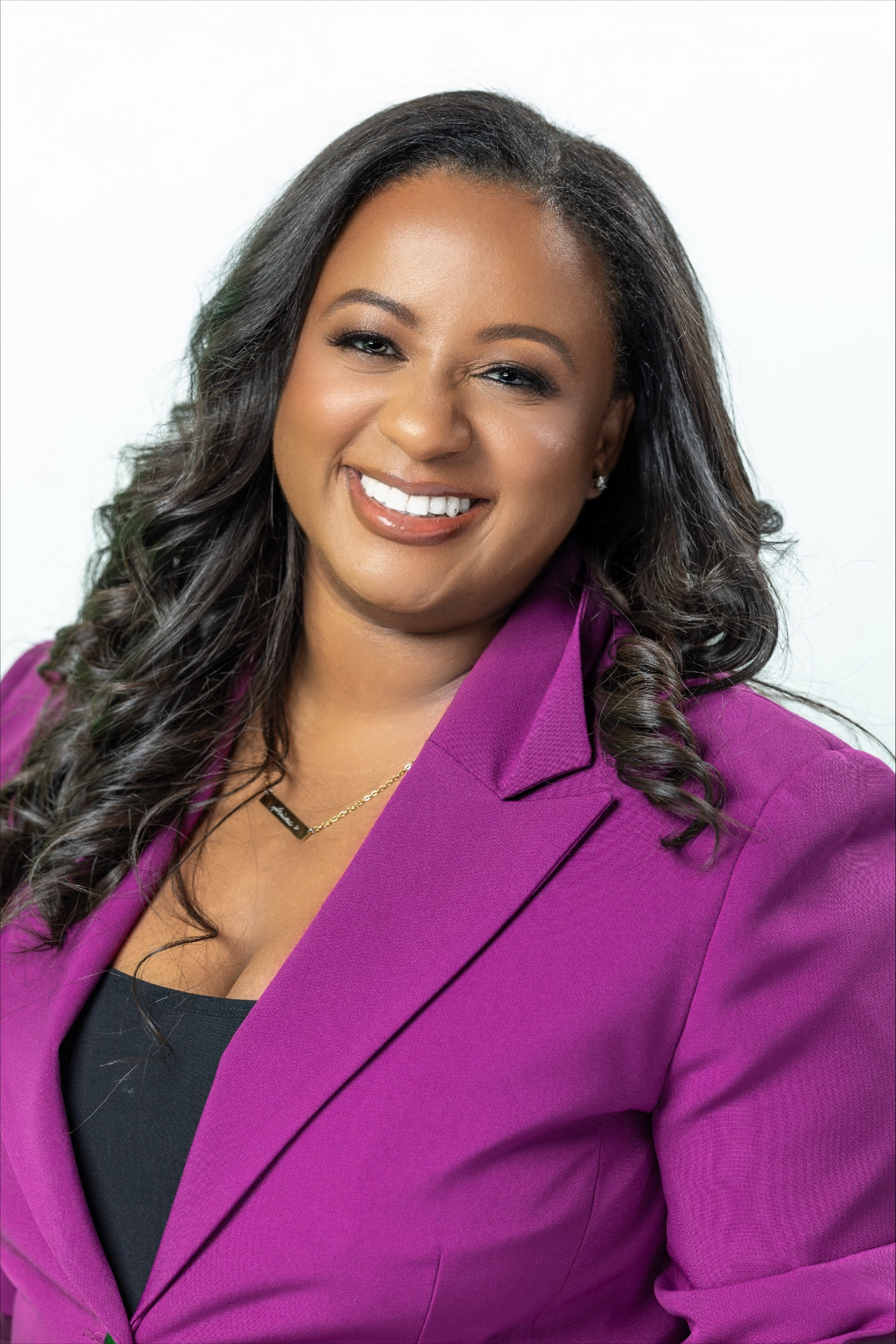
On today's episode of NACP Inside the Industry, we're talking to award winning director Tony McCuin. With more than 50 projects to his name, Tony's work spans across some of TV's biggest shows, including Big Brother, Password with Keke Palmer, the Super bowl, and one event that's near and dear to my heart, the NACP's Image Awards. Today we're taking a closer look at his journey. Journey from behind the camera to commanding a set and creating unforgettable events. I'm your host, Ariana Drummond. Welcome to NACP Inside the Industry.
Mr. Tony McCuin, thank you so much for joining us today. How are you feeling today?
[00:01:21] Speaker A: Very well. How about yourself?
[00:01:23] Speaker B: Nice. Nice. And absolutely incredible. I'm excited to be talking to you today.
[00:01:26] Speaker A: Likewise.
[00:01:26] Speaker B: I love it.
So, Tony, most people don't know that you're responsible for one of the biggest nights in black entertainment, the NAACP Image Awards. And you've been killing it for over a decade. How does it feel to be a director and hold such a powerful role, but so behind the scenes at the same time?
[00:01:47] Speaker A: It's an honor. Yeah, it is legitimately an honor. It's one of the few shows that I direct and I have a shows that I directly.
You know, the Image Awards just hit different. Yeah, they just hit different in every way, shape and form.
One of the things that's so interesting about it is the fact that we legit celebrate each other. We legit celebrate. We.
So, you know, you can do an award show and whatever these other award shows are and so. And so gets the award and they'll do the fake clapping. Good on you. That's not The Image Awards, if their boys win, if their girls win, they are legitimately fired up. It is real. It's 1000% real. So where sometimes an awards show will shoot north and south, I'm at your podium, I take my trophy, I do the cutaway, I go back.
The Image Awards almost shoots in the round. Yeah, it shoots in the round because everybody is celebrating.
Everybody is celebrating. So, you know, the rule of thumb is that if, you know, someone wins an award, if Kerry Washington wins the award and you have the other four people in the category, those cameras don't leave, stay with that category no matter what, because they're all celebrating her. It isn't like, oh, I didn't win and I'm out. Not at all. They all continue to celebrate. And so I think that's what makes the Image Awards, you know, just so amazing and so fun to do.
[00:03:17] Speaker B: So how do you build this reputation when so much of it, so much of this visibility is in front of the screen, but you and the work that you do is behind the scenes. How do you build that reputation in that repertoire?
[00:03:30] Speaker A: That rep comes from the network knowing that you're going to take care of them, that they know, yo, check it out, my man. We didn't spend a couple of million dollars on this for you to freaking, you know, blow this up. So it really comes down to that, that they know you've got their best interest at heart. That same thing happens with. I need to make sure that you're going to take care of my talent.
[00:03:50] Speaker B: Yeah.
[00:03:51] Speaker A: Rule number one as a director, protect the talent.
[00:03:53] Speaker B: Yep.
[00:03:54] Speaker A: No matter what. Because they're the ones that are out there. So no matter what, you protect your talent. And if they know that, and then you're going to bring something to the table. So there's no better feeling than taking a thought that you had and then putting it on the screen or. And if you can't get it, because sometimes producers do. What if we did this and this? You're like, you're not gonna make that off. But here's what I do have for you. Oh. So be the can do guy. Be the person that can come up with an alternative if it doesn't work. But that's what I want. I want you to take, as my friend TFA Griffin, who's a writer, would say all the time, you gotta take it from the page to the stage. Whatever you're thinking, I need to be able to see if I can put that on screen. So that's when you start to build that rep, that We've gotta show we kind of don't know what it is, but we know we need it to be fast and this and that and blah, blah, blah. I got a guy, Tony McEwen, he did my last show. He's the guy that'll take care of us. So you want those kind of things being said about you in the room.
[00:04:46] Speaker B: Yeah. And you've done such an incredible job. I mean, every year you continue to raise the bar on the Image Awards. I mean, from that perspective, how did you even build that relationship with naacp?
[00:04:57] Speaker A: I got hired by Reginald Hutland.
[00:05:00] Speaker B: So that's my guy.
[00:05:00] Speaker A: And it's Reginald Hutland, Byron Phillips, who's the other ep, and Phil Gurin. And all three just work well together. Reggie's very creative. Byron's very creative. Phil knows tv. He's been around TV for a thousand years, from wicked sling to everything. So he just knows tv. So it's a great combination. Now, the beauty of it all is, again, you know, they will say, we've got this, this, this, and this. And I'd like to be able to have the families from the Altadena fire come out or this or that. How can we shoot this to make this a memorable moment? And then you want to be able to say, I got it, my brother. This is what we're going to do. And to put that together and build that rep where they go, this is what we're talking about. So the Image Awards are about moments captured in real time. And so you do your best to make sure that this is a moment. And when you're on headsets and you're directing that thing live, you know, it's a moment.
[00:05:55] Speaker B: Yeah. And we talked about those powerful moments, especially at the Image Awards.
What do you think? Actually, I'm gonna switch it up a bit. I mean, you've directed some. We talked about it earlier. You've directed some really big moments. Image Awards, you've directed Rip the Runway, all of these things. But I know also you're working on one of America's favorite TV shows, which is Password, starring Keke Palmer and Jimmy Fallon. What is it like to be in the director's seats for those Emmy nominated show?
[00:06:25] Speaker A: It's exciting.
It is. Also, look, Password was interesting.
[00:06:34] Speaker B: It's a fun show.
[00:06:35] Speaker A: Yeah, it's a fun show. It's fantastic. Keke's off the chain.
[00:06:38] Speaker B: Yeah, she is.
[00:06:39] Speaker A: Jimmy is fantastic. And, you know, of course, you can give your host a shout out. They're my guys. They're my guys. No, legitimately fantastic. Like, legitimately Kiki has the ability to make everybody her best friend. She's Kiki Girl. And it doesn't matter which contestant shows up, she's rooting for you. I love that Jimmy makes it fun no matter what. And he cares.
I was stunned how much he cares about the audience, experience, the sound, how it feels in the room, the entire thing. It's very important to Jimmy that everybody's having a good time. So the combination is fantastic. Password was an interesting one when I got it, and it was because of this. I knew the history.
I knew the history of Password.
I played this game all the time when I'm on stage, and I just go, hey, little boy from South Central. Did you ever think, just every now and then, I'll just be standing next to someone and go, did you ever think. Yeah, Password was the biggest. Did you ever think on planet Earth? As a camera operator said to me, goes, do you know them bringing back Password and giving it to a black man is the equivalent to them bringing back Lucy and giving it to a black man?
And it hit me, and I went, oh. He goes, yeah, like you're directing television history.
And Password has that feel. So my responsibility to it is different. Yeah, I.
Look, I'm not considering myself the freaking Martin Luther King of tv, but I know that impact of. Did you ever think. And did they ever think when password first debuted 60 years ago that it would be someone who looked like me in the chair?
And so all that has an impact on me and what I represent, putting on headsets for that show.
[00:08:32] Speaker B: And I'm sure that must feel like that with other shows, too, but it does. How does that. What does that moment feel like to you?
[00:08:38] Speaker A: It is overwhelming in the sense of this.
Like, sometimes I'll just sit and just go, dang. And I have these moments where I just kind of break out. Like, you're looking at. And you can see all the monitors up there and just go, here we go. You're doing Password right now, or you're doing this, or, you know. You know, I'm going to leap. And I know you're going to get here, but I'm going to leap to Big Brother for a second.
[00:09:07] Speaker B: Yeah.
[00:09:08] Speaker A: And all of a sudden, you're sitting in the chair, and all of a sudden you just hear, boom, boom, boom, boom, boom. I'm like, my man Cheola, bro, you're about to knock out a CBS network show live. It's Thursday night. Here we go. So when you see that or you.
You're on your couch and ding, ding. Ding. And the peacock feathers come out. And then Tony McEwen name pops up. I still go, oh, damn. Oh, yeah. Oh, oh, okay.
All right. Okay. And just kind of. Thank you, God.
[00:09:41] Speaker B: Yeah, I just.
[00:09:42] Speaker A: Thanks, God. Appreciate it.
[00:09:44] Speaker B: Just in that moment, I mean, are you ever having imposter syndrome? Like, dang, I'm never. Like, I'm not supposed to be here. Like, I can only imagine what that feels like. Incredibly humbling.
[00:09:53] Speaker A: It's humbling.
Great question. In terms of imposter syndrome.
No.
And I'm reluctant in my no. Because I'm always competing.
You know, you hear the thing about, we have to be twice as good,
[00:10:12] Speaker B: blah, blah, blah, blah.
[00:10:13] Speaker A: Yeah, I'm sorry. You do have to be twice as good.
And I've accepted that, and I got it. So let's go.
[00:10:19] Speaker B: Look at you.
[00:10:20] Speaker A: So let's go.
[00:10:21] Speaker B: What'd you say? So let's go.
[00:10:22] Speaker A: Yeah. So that's.
That's my thing.
That's what I do.
And sometimes.
Story of Michael Jordan is he made up.
Turns out a player says something about his mom. But I'm gonna go a different direction with this here.
And Michael Jordan lit this dude up for 40, and every time he saw him, he lit him up for 40.
[00:10:53] Speaker B: Yeah.
[00:10:53] Speaker A: Here's the deal. The player never said anything about his mom.
Michael just used that as motivation to get him.
I say that to say that. Sometimes I will just take a comment that someone may say on set, like, I'm not supposed to be here.
[00:11:07] Speaker B: Yeah.
[00:11:08] Speaker A: I'm like, good on you, because I'm gonna light your ass up.
[00:11:10] Speaker B: Yeah.
[00:11:11] Speaker A: So I find someone to kill. And I know it's weird.
I know it's weird.
[00:11:16] Speaker B: Interesting method.
[00:11:17] Speaker A: I know it's weird. Now I'm glad to be here, and it's all good, but there's just that it gives me that little bit of an edge. Oh, okay. All right. Do you think I. Do you think this is just a lucky thing that went down? I'm gonna show you otherwise. And it can be something minute, but it just gives me just enough to that like to say, don't talk to Kobe. Yeah, Kobe's gonna light your ass up. Don't say funny things to him.
Same thing.
Same thing.
[00:11:41] Speaker B: I love that. And so, I mean, as you mentioned, it can be. I'm sure a live telecast can be grueling on the mind, body, spirit, all. All of those things. How are you decompressing after each one of those shows?
[00:11:55] Speaker A: I normally sit in the car and whatever it is, some type of music I'll put on I like house. I like deep house, Afro house, that kind of thing. So I'll put that on.
But truth be told, the first thing that I do, the very first thing that I do. What do you do? Even before I even take off headset,
[00:12:17] Speaker B: what do you do?
[00:12:18] Speaker A: I turn to the side away from my ad and I say, thank you,
[00:12:22] Speaker B: God, I love that.
[00:12:24] Speaker A: And then I turn back around.
[00:12:26] Speaker B: That's beautiful.
[00:12:26] Speaker A: So I thank God immediately. Immediately. Yeah, immediately.
[00:12:34] Speaker B: So, I mean, even in that situation, what advice do you have for somebody coming up that's maybe been overcome with that burnout? What advice would you give them?
[00:12:44] Speaker A: You have to step away.
You have to step away for a second. And I do understand when you just can't get it. And you know, back to the sports analogy a little bit. TV is, you know, when you're directing and sometimes you just don't have it. It is like your jumper being off.
[00:12:59] Speaker B: Yeah.
[00:13:00] Speaker A: And you just can't score.
You just simply cannot score.
And it's a confidence thing. And your confidence will wane. It will start to go down and there could be elements in the room that makes your confidence wane.
So you could have an over aggressive producer or something like that. Not that shot, this shot. Oh my God. In the background, blah, blah, blah. And then you don't start directing your show. You start trying to direct their show and that's where you're going to lose.
[00:13:28] Speaker B: Yeah.
[00:13:29] Speaker A: Which is why it's very important that you really explain to the producers what you're going to do and find out exactly what they want. Because once you put on a headset, that show belongs to you.
[00:13:39] Speaker B: Okay.
[00:13:40] Speaker A: So otherwise if you start directing their show, you'll second guess yourself and you get slower and slower and slower and soon you're just missing shots.
[00:13:48] Speaker B: Yeah.
[00:13:48] Speaker A: And has it happened to me? Heck, yeah. Yeah, it's. I've gotten to this level now where it doesn't happen to me, obviously, or I will check.
Hey, hit me in the break, my man. Stop talking.
[00:13:59] Speaker B: Yeah.
[00:14:00] Speaker A: You know, so that type of thing. But overall, yeah, you have to, you have to step away and just. And catch your breath.
[00:14:08] Speaker B: Yeah.
[00:14:09] Speaker A: And.
Okay. And then dive back in because it is. It's taxing on the mind.
[00:14:14] Speaker B: Yeah.
[00:14:15] Speaker A: It will wear you out. It will wear you out. And it's.
Shows are strange because you have a tendency to drop your guard in a show. So if you had a show that was an Act 3, a big giant Nicki Minaj performance or some giant Beyonce performance, it's huge.
Got it. It's all good. There's a tendency to exhale like, jay, my man, you got four hours to go.
You still got blah, blah, blah, blah, blah, blah, blah.
So my secret to doing all of this is that I don't treat them. I don't treat it as a show.
I treat them as a bunch of little shows. Act one through 12, and that was only one little show. And together they make a big show. So if you treat each act like it's its own separate show. A beginning, a middle, and an end, that helps you get through it a lot faster.
And to make everyone make everything money. Play the game within a game. Don't just say, I killed in this act, but I sucked in this act. Make each act its own show. It's got an opening animation. You come in on the wide shop, out comes the host, you introduce the act, you go to break or you go to award. That's a little show.
[00:15:25] Speaker B: Yeah.
[00:15:26] Speaker A: Treat them all as little shows, and then together they make one great show.
[00:15:29] Speaker B: So, I mean, a lot of people watching really don't understand what you do behind the scenes. Walk us through, like, what happens or what you're actually doing during that. I mean, you talked a little bit about it.
[00:15:40] Speaker A: But what I'm doing is the shot that I take online.
So I'm taking a single of you and it's ready one, take one. Boom. Got it.
Single of you I got. That's my least important shot. Now my most important shot is my next shot.
The reaction. What's going on? I'm listening. So I try to tell this story.
I'm fascinated with TV in the sense of my directing style has changed quite a bit.
And more than just getting coverage, I want to see if I can put the audience in the room.
So my shots are a little bit more personal in terms of I squeeze with pushes. I look for actual tears when someone's actually. And I don't take those tears into that moment. Hits there are where I'm just, you know, I shoot shots that are more. I infuse some type of comedy shots in a normal shot. So in the Image Awards, you will see an over the shoulder, off the ear looking back at Viola Davis. I want to put you, the viewer, in the seat.
And I'm always looking for, what's my next shot. I got to get out of jail free cart. I've got a single and a wide shot.
So go get them, champ. Go get all that other stuff that's going to really make this thing cool.
So once you build that box, and that's what I do I build for what goes wrong.
I don't build that everything has to be perfect. I build for. If she gets up and run around this room. What do you got? Yeah, I've got a water steady over here. I've got a jib over here. I got a handheld. And aisle three, we got her ass.
[00:17:17] Speaker B: So what's the craziest thing that's ever happened during the live show?
[00:17:22] Speaker A: I've had a lot.
Deon Cole and Leslie Jones Image Awards.
It wasn't crazy. Yeah. Have I had Dr. Bobby Jones gospel or Holy Ghost? Heck, yeah.
Heck, yeah. And dudes just took off. Yeah, dudes just. Dudes just gone.
[00:17:44] Speaker B: Are you serious?
[00:17:45] Speaker A: Yeah. Running around the aisle, the whole shebang. I did one where it was Jodecine and, you know, he's carrying him on his shoulder and it's, you know, oh, my God. Just crazy stuff in the audience. But your read and react comes from comedians because they're gonna break into stand up out of nowhere.
[00:18:04] Speaker B: Yeah. Does that scare you?
[00:18:07] Speaker A: No. Okay. But I shift.
[00:18:09] Speaker B: Okay.
[00:18:10] Speaker A: I shift and I do it all the time for gospel as well. But, you know, I'll go.
Oh, shit. Yeah, here we go.
Yeah, here we go. And so you do that. You start that reading. Reaction. Okay, got it. Let me find my reaction. So Dion, Cole and Leslie Jones broke into. Dion says, you know, I want. Before we move on to the next award, I'd just like to talk about some of the seasoned women in here.
[00:18:37] Speaker B: That was a moment, though.
[00:18:38] Speaker A: You remember that?
[00:18:38] Speaker B: Yeah.
[00:18:39] Speaker A: So I'm like, here we go. Yeah, here we go. Find me older women. Go, go, go, go, go, go, go. And that's all you see on headset. And if you got the right kind of folks on handheld, they'll just start going.
[00:18:51] Speaker B: Yeah.
[00:18:52] Speaker A: Because if you lucky and you do your job right.
[00:18:55] Speaker B: Yeah.
[00:18:55] Speaker A: And I do it every time, and I have my camera people do it every time. I survey the room.
So when they start loading in. And it's great to do it for comedy. Go. Interracial couple, funny hat, blah, blah, blah.
[00:19:07] Speaker B: Yeah.
[00:19:07] Speaker A: Looks like date night. Got it.
[00:19:09] Speaker B: Are you, like, pre screening any of those people beforehand? Like, just in case?
[00:19:13] Speaker A: Exactly. So when I do comedy, I just sort of go, oh, look.
[00:19:17] Speaker B: Yeah.
[00:19:17] Speaker A: How long you been together? Yeah, I got it. Boom, boom, boom. Looks like they're a date. Looks like they're this. Look at that green lime suit he's wearing. Got it.
Camera one, look at that. Two, look at that. Three looking over there. There's no way this dude doesn't talk about. This is your. Where'd you get that suit from? Be ready.
[00:19:31] Speaker B: Yeah.
[00:19:32] Speaker A: So my guys know and my gals know that to be ready to get that. So you're, you're almost pre building what's up. When he said seasoned women, I go, go down the line, show me so and so show me, you know, there's Maxine Waters, give me volley. Davis, give me blah, blah, blah, give me such and such. And you just kind of go down the line of these seasoned women.
Know you got that, you know you have. And it, it pulls this joke in. You want to be able to move the talents story forward. Yeah, I want to move your story forward. I'm responsible for that. And I love that. And Lesly looking at him and the reactions in the cross shop and that was.
[00:20:09] Speaker B: That went viral.
[00:20:09] Speaker A: It went viral. Yeah. And so those moments when my stuff goes viral, you know, I go, I did my job.
[00:20:16] Speaker B: Yeah.
[00:20:17] Speaker A: I did my thing.
[00:20:17] Speaker B: Well, I know you talked about spontaneous moment, but was there ever a moment where like maybe something fell apart and you're like, how, like, how were you able to get through that?
[00:20:26] Speaker A: I've had lots of stuff fall apart. It's kind of weird in the sense of you start just looking for other cameras. So even in a situation where the technocrane goes out and I'm about to come up on the air and not working, not working, not working. And you just kind of go, hey, steady cam. Get ready. You're going to be the opening shot.
Goes back to protecting your talent. Yeah, heads up. Jib's not coming in on you. It's going to be stadium coming in on you. We're going to do this and I'm going to make my way to one. And you, you're the calmest freaking voice in the room. You have to be.
[00:20:53] Speaker B: Yeah, I was going to say.
[00:20:54] Speaker A: And you're like, I will guide you. Listen to nothing else. I will guide you. And your EP will let you guide them.
My man. You want a one point guard for this team?
You got it. You're cool.
You're cool. I will guide you. And I'll just go here, turn one, walk, boom. And all your. And just how I said that that's how your cues are. You're not gonna write out a whole bunch of stuff.
Watch out. On two, turn to one, boom. And your voice is like that. Meanwhile, shit's on fire back there.
Yeah. Watch out. On two, turn to one. Excellent. Turn to three, walk.
Copy.
I'll get you there. Keep going.
Introduce. Are they set? Are they in the wings? We finally found them. Because they were on the red carpet. We got them. We're cool. Ad lib. Okay, make your way to home base. And you'll see Deon Cole make his way over to home base. All right, this next presenter coming out is blah, blah, blah and such and such. Got it. I got my man through it.
[00:21:53] Speaker B: And earlier, I know you talked a little bit about, you know, just Reggie Hudlund giving you your first shot, specifically with the Image Awards. Take us back. How do people become.
How does one even become a live television director?
[00:22:06] Speaker A: Live television director is tough. Like, I didn't go to college, so I learned at, of all places, sentry cable, public access, which at the time you were just probably three and a half years old. It was group W cable in Santa Monica. And so they did live shows and live to tape shows all the time. And so that's how I learned the thing that's interesting about being a live director is that there is no live director simulation.
So in other words, you can't learn
[00:22:33] Speaker B: how to fly, baby.
[00:22:34] Speaker A: I'll tell you, bro.
So good luck to you.
[00:22:37] Speaker B: What you say.
[00:22:37] Speaker A: Good luck. Good luck to you. Because there is no simulation for this. So if you're doing single camera, you can take your iPhone out and blah, blah, blah, and understand eventually this is my coverage. This is my blah, blah, blah, and you can kind of make your way through. But to do live, at some point, someone's going to have to give you a shot.
[00:22:55] Speaker B: Yeah.
[00:22:56] Speaker A: And that's the only way that works. And if you're good, you know, good on you.
And sometimes for us, you know, we don't get a lot of shots.
So there is that pressure of, you better be good again, being twice as good.
[00:23:12] Speaker B: Yeah.
[00:23:12] Speaker A: You better come out guns blazing.
So it's.
And it's interesting for us because it's funny even coming up through this of understanding, like our magic, we can just see it.
[00:23:32] Speaker B: Yeah.
[00:23:33] Speaker A: And this is not a remark against anything else. It is just that I guess what I guess I'm trying to say is trust your heart.
[00:23:40] Speaker B: I love that.
[00:23:41] Speaker A: Trust your heart if you feel it and you see it and you know it.
Trust me, my dude, it's going to work.
It's going to work. And eventually there will be someone on that set, camera operator or otherwise, who will have your back.
[00:23:57] Speaker B: That's beautiful.
[00:23:58] Speaker A: And so just trust your heart. Trust that thing that we have that makes us.
Gives us a rhythm, that gives us style, that gives us trust that thing. It is a real thing. And I bring it to every show that I do.
[00:24:13] Speaker B: What has been one of your favorite shows to work on. And then maybe tell us a little bit about what you have coming up next.
[00:24:19] Speaker A: God dang it. I really love Password because I like the speed of.
Gives me live TV without live tv.
[00:24:33] Speaker B: Yeah.
[00:24:34] Speaker A: So I got it. But I cannot front in regards to Big Brother.
I simply. I cannot ignore what that show means for me. And it's an odd duck. Big brother's got about 85 cameras, and I've got multiple control rooms. And then I choose as all this stuff is happening on. And so it is.
People ask me what it's like to direct. I'm like, it's like directing a dramedy where actors don't hit their marks.
So whatever you have in your mind,
[00:25:05] Speaker B: that goes out the window.
[00:25:05] Speaker A: That goes out the window. It's not going down. And Big Brother was the only.
Is the only show. The first time that I let the audience pick the shots they want to see. And you go, whoa. How do you do that?
When you work on Big Brother, you go down a bit of a rabbit hole because they're such fans.
[00:25:26] Speaker B: Yeah.
[00:25:27] Speaker A: And so they just start posting everything, and they'll just say, if she gets evicted, I can't wait to see the look on Steve's face. I'm like, you got it, mama. I promise you, I will be showing Steve's face. And so the fans will start. And so that was the first time that it was a bit of an evolution in my directing, where, yeah, I got the couch and I got you, and Julie's doing her thing, and you have been evicted from the Big Brother house. And the power zoom, ping. And I'm going, ping, Steve, Ping, Mike. Why? Because that was his friend. That was his girlfriend. That's who he dated. That's who he hated. That's who set him up. And you start to continue to tell this story as they go along. And so I love the fact that Big Brother pushes me in that sense of being a live sitcom quote, wink, wink, director.
You know, I love that part of it. And the challenge of trying to figure out. And I've gotten got by Big Brother.
[00:26:23] Speaker B: Really?
[00:26:23] Speaker A: Oh, my gosh. There was one dude, Michael. Michael's fantastic. And it's so funny.
I'm cutting this bad boy up. I'm doing my thing. It's all good.
Michael, it's double eviction night. Michael, you've been eliminated. Boom. Do the push. Michael sits in the chair. And then Michael just jumps up and goes, guys, wait right here. I'll be right back.
And he stands up and he walks out. I'm like, oh, he must have gift baskets.
Bro. Ain't got gift baskets. He's already done set.
So the door closes, and I just kind of pause for a second, and all of a sudden I hear Julie going to Michael.
Oh, shit. Oh, like, so I've gotten got. Because I've gotten so enthralled.
[00:27:03] Speaker B: Yes, yes.
[00:27:05] Speaker A: He just blew right past me and out the door in the exit.
Bro, what made you think I'm a gift basket?
[00:27:11] Speaker B: What is a gift basket?
[00:27:12] Speaker A: It's just so stupid. And I think about that all the time when I'm in that house. Like, bro, what the.
My man. Oh, my gosh. Oh, my gosh. My man. You'll see it. Michael, you've been eliminated. Michael goes, I'll be right back. He's dead at the camera. All right, man, hold the wide shot.
Homeboy coming back.
[00:27:28] Speaker B: Why is he even doing that?
[00:27:29] Speaker A: He's just. He wanted out of there. I don't even want your freaking hugs. Kick rocks. I don't want your hugs. Don't freaking touch me. Oh, my God. Don't touch me. I'm out. But in my world, I'm like, oh,
[00:27:38] Speaker B: yeah, he's bring back gift basket.
[00:27:41] Speaker A: He loves them all.
That door closed and went. And all of a sudden you hear Julie's voice go, Michael. Oh, shit. Take you go to jail. Go to Jim. He flew right past me.
[00:27:51] Speaker B: That is so good.
[00:27:51] Speaker A: I got got.
[00:27:52] Speaker B: Oh, my goodness. You talked about working on some of these big productions, right? What is. What is. Why do you think it's so important to be a black director in some of these spaces? I mean, there's so, as you mentioned, so many limited opportunities, and just, you know, you being the fact that they even gave it to you.
[00:28:08] Speaker A: Sure. I think, for one, it's our perspective. Yeah, I think it's our perspective on. On things and how we see it.
And that's no knock against anybody else with their own perspective or anything like that. But I think it's important for us to help tell that story, because, look, if you are talking about a big brother and you have a best friend in the house, and that best friend breaks your heart, that happens to everybody.
[00:28:38] Speaker B: Yeah.
[00:28:39] Speaker A: This doesn't happen to a particular group of people. That happens to everybody. So we can all relate. And I think when it comes to, like, the Image Awards, it's a huge perspective because I got it.
I'm with you. Yeah. You know, I was there when you did that.
I did that same thing. I think when it comes to gospel, it's a huge perspective.
It's interesting to shoot gospel because you may have 10 songs on that list that you're doing in reality. That's like 18.
Catch the spirit Pentecostal. They start jumping up and down. And what's interesting is that, you know, I have a very mixed set of camera operators.
And you can.
Early on in my gospel career, when songs would end and Yolanda Adams would take it to that next level, you know, a Kim Burrell would take it to that next level or whatever it is. Donnie McClurkin would take it to the next level.
The black camera operators kept shooting, and the other camera operators thought, song's over. Like, no, no, no. Hey, yo, yo, yo, yo, my man.
[00:29:44] Speaker B: Bring it back on.
[00:29:45] Speaker A: Yeah, yeah. No, no, no, no, no, no, no. Till the wheels fall off, my dude.
[00:29:50] Speaker B: Yep.
[00:29:50] Speaker A: But this song. No, no, no, no, no. I know. She gave the out. I heard you. I'm with you. No, no, no. Here we go.
Here we go. So that's the interesting part about. There is a difference, you know, in terms of how we see it.
[00:30:01] Speaker B: Yeah. That is true.
[00:30:02] Speaker A: And if someone lit it up in that act, that next person's like, oh, the heck?
[00:30:08] Speaker B: No, no, I've saved him.
[00:30:09] Speaker A: I bet you that.
I bet you that. So you know that those kind of moments, you know. No, no. And those are teachable moments.
[00:30:17] Speaker B: Yes.
[00:30:17] Speaker A: You know, heads up. A man moving forward. This is how we roll, you know, this is what's gonna happen. I got it. When we go to commercial break, you can put it down.
[00:30:25] Speaker B: Yeah.
[00:30:25] Speaker A: But right now, we're gonna go. And so that type of stuff.
[00:30:28] Speaker B: I love that. So I know.
Feels like you're fluent in what feels like every genre of television. I mean, you talked about music, variety, comedy, sports, game shows, award shows.
Most directors, I feel like, only specialize in one lane. How did you end up mastering all of them? And does moving between genres actually make you better at each one of them?
[00:30:50] Speaker A: I think I'm able to master them all as best I can, control them all. Because I'm still fascinated with tv is that because I didn't go to college and that I just picked it up along the way from every single person.
My guess is probably yes, because one of the main people who was my mentor who taught me a lot was Pamela Fryman. Pamela Freyman's a sitcom director. Terrific sitcom director. She directed Frasier Just Shoot Me How I Met yout Mother. She was taught by James Burroughs, legendary sitcom director. Then Pam taught me.
So even when I block for a show, I block on the Floor, and then I go inside and I run in the truck. So I want to see how my talent moves organically, you know, on set. So it just allowed me to be able to block anything doing sports. You know, I was at ESPN during the Stuart Scott era, so I was there in Connecticut before. Eventually, when Fox bought Prime Ticket and became Fox SportsNet, I was the director that launched the shows. So best sports show, period, Fox Sports News Live, all that stuff. I launched all of that. So everything that you saw in the world of sports, I was part of that team that. That. That did all of that, what happened with Fox. And it's very fortunate, very blessed, that Fox didn't try to really run with ESPN on stats. ESPN is really strong, stat wise. These are stats and this is what we got. Blah, blah, blah. Fox focused on the entertainment of it all, like Fox NFL Sunday, those type of things with Terry and Howie. And so I was able to kind of make that segue into things that were fun, like Best Damn and the NFL show and the morning shows and stuff like that. So that transition was pretty good for me. Excuse me. Sorry. I'm so sorry.
That transition was pretty good for me.
And I had launched for Fox 1819 shows, including the UFC, and I figured, what the heck, If I can do this for Fox, I can do it for anybody.
And started to do that way. Now, the beauty of the sports part was, of course, I was able to tap in on seeing it fast.
This is your rundown. This you want to do. I got it.
I can see it really, really fast.
Like, even being in this room, you've got three cameras, and I got it. And good on you. If they added another four cameras. I got it. I could go jib on a wide shot. Come in on the two shot. Hello and welcome. Turn to you on the single. Take your single. I'm now joined by Tony McCuin. Take the single of Tony McEwen. Take your two shot, Tony. Tell me some of the things that you got. Boom. Show's done. Yeah, I got it. So I can see it really fast.
[00:33:34] Speaker B: So do you think having that skill set was, like, the secret to your longevity in this industry?
[00:33:39] Speaker A: Yes, without a doubt. And also, you know, I'm considerably older than you. I grew up where. No, I'm just playing.
That's right. I grew up in the 80s in terms of music videos, and I wanted to be a music video director, which is why my style is much like your music video. I say that to say this.
I've got shots sometimes that I've Pulled out. Yeah, That's Thriller.
That's the rack. Focus on Thriller. They're already just stored. Where did you come up with that shot from, bro?
Come on. That was Thriller.
You know, that was Duran Duran's Blah, blah, blah. So it's funny, my mind is just full of videos.
[00:34:24] Speaker B: I love that.
[00:34:25] Speaker A: And I just. I run them all through.
So it's allowed me to paint that picture across the board because it's, you know, the E in ESPN is for entertainment. It is legitimately sports in entertainment. So that transition was real easy. And the technology from sports allowed me to bring it over to entertainment. Whether it's graphically over the shoulders, graphics, toolboxes, all that stuff, I was able to just bring that over and have it transition very easily.
[00:34:53] Speaker B: I love that. So, I mean, you talked. We've talked, and I know you've talked about just directing some of these incredible moments. I mean, tributes, emotional speeches, performances. And I noticed you were the last person to direct a performance by the late and great legendary Whitney Houston at the Celebration of Gospel. Can you tell us a little bit about that moment?
[00:35:14] Speaker A: That was.
Holy cow. That may be the strangest moment in my entire career. Yeah, easily.
It was at the Orpheum Theater. And when you back then, you didn't get a link to all the songs, you got a cd, they give you the cd and you just kind of go on the rundown. This is where this hits. Blah, blah, blah. And you just start checking off groups. Once you market and you get an idea, they come in to rehearse and there's just a list, and they're just all income. Scott Franklin. In comes this guy, in comes that guy. And you just kind of go all the way down the list. And the last thing on my list is Madame X. And I'm like, yo, I don't have a song from Madame X.
We'll get it to you later. I go through every single performance, all 14 of them, and the last person on the list coming in before we close at 6 o' clock at the Orpheum is Madame X.
They see everybody out of the control room, but essential people, everybody goes, deuces, out of control room. But my camera operators and a producer and a van pulls up.
And I see the van because it's right outside my truck, all right? And then all of a sudden I hear, tony, Madame X is here.
And so I go, okay, normally, excuse me, I go into the. On stage.
In this case here, I just stay in the control room. Okay, great. I don't hear the song so if I. If I had heard the song, I would have gone on stage because you do that a lot to see how it's going to lay out.
I hadn't heard the song, so I need to sit down and listen, bro. So when she starts to sing, I'll figure out what the heck is going on. And. And sure enough, up comes Whitney Houston.
Wow.
Okay. And I. In my world, I was like, holy cow, this is. All right, I got it. We're cool.
Let's figure this out. She does the song once they work it out, you know, because it's Ray Chu. Terrific. MD Ray Chu. And they work it out and they get it and they know how they're going to go. Okay, great. Let's work on her entrance. Her entrance will be.
Kim Burrell is out. First, we'll preset Kim Burrell, and then we'll fly the wall for Whitney, and then Whitney will come out and join.
Get it? Got it. Good. Well, cool. I have steady cam. Come around the corner, fly past Kim Burrell, dive right into that shot. Pull Whitney, bring her out. Open up to a two shot dissolve. Camera one, push Whitney single. We're cool.
Got it, sis. And Stephen Hill, and I remember, made this suggestion, and it was a great suggestion. Stephen Hill says, I would like to hear Whitney's voice just for a second before we fly the wall.
Because when you're a director, you're kind of doing this timing thing. You're hoping you can fly the wall before the reveal and get the voice in. He wanted to hear just a touch.
[00:38:05] Speaker B: Yeah.
[00:38:05] Speaker A: And I went, all right, cool.
So we got it. We do it. Come showtime, everything goes according to plan. And you are.
You know, it's a moment, and you are. You literally are. When you direct, you're. I'm literally doing this because she's coming out and we just had the super bowl and Janet and Justin Timberlake. And I was like, it was either gonna be a great moment or this moment's gonna be.
You're gonna be famous for two reasons only, bro. Here we go. And a director knows when it's their moment in history.
You know, this is the first time back. You know where you're going to stand with this. And we do the voice, we fly the wall. And when they flew the wall, I can still see it to this day.
There was nothing but white light.
I was like, where did that come from?
[00:39:07] Speaker B: Beautiful.
[00:39:09] Speaker A: My guy, Otis Howard. Terrific lighter, terrific. LD does a lot of stuff.
I said, otis, what?
It was just an angel.
I don't know what to Tell you.
I don't know what to tell you. And I'm watching all the monitors. I can see all 12 of my cameras.
Gospel shoots in the realm. You find the person who needs Jesus. You find the person who lost their home. You look for all these things to help move that song forward.
I took not one reaction shot because I couldn't leave her.
[00:39:43] Speaker B: Yeah.
[00:39:43] Speaker A: I couldn't leave it. And Sheila Cole was my editor. Fantastic editor at bat at the time. And I said, sheila, I'm not taking a shot. You're gonna have to put the reactions in post.
I'm not leaving her.
[00:39:56] Speaker B: Yeah.
[00:39:58] Speaker A: And she sung that song and lit it up with Kim Burrell, and I just could not believe it. And I say that in regards to the monitors because people were crying.
You see footage of how they also. Back in the day when Michael Jackson was super hot, they thought he was St. Michael, and they would cry because
[00:40:22] Speaker B: they thought, you see falling out.
[00:40:24] Speaker A: That I had never seen that before.
That they fell out.
They fell out. And you have your moments as a director where you are like, my dude, get your together, bro. You got to go back to cutting.
You know, you need to dive in here because you just.
And that's what it was.
What's interesting, no more than a year ago, it popped up on my YouTube feed, but not my footage.
Someone's camera phone footage from inside the audience.
And I saw for the first time, the audience reaction shots, they all gasp.
You could hear them screaming, oh, my God, it's Girl. That's not this. Oh, my God. And just from this phone that's shaking.
And I was just blown. I finally saw it a year ago.
[00:41:17] Speaker B: That's crazy.
[00:41:19] Speaker A: And that was the moment that I just. And then the following year, same year, celebration of the Gospel, the exact following year, I'm doing a Kelly Price tribute to Whitney Houston. She had died.
[00:41:31] Speaker B: She was just so incredible.
[00:41:32] Speaker A: Yeah. And that was Whitney Houston. Kimberell. I look to you.
It's all over YouTube. It's fantastic.
[00:41:42] Speaker B: So do you think that was the biggest moment for you or.
[00:41:45] Speaker A: Yeah, that was the biggest moment in terms of just probably something spiritual and just shocking.
I have moments like my first Image Award when we gave the Lifetime Image Awards, I forget the exact name of the award to Harry Belafonte. And Sidney Poitier was the one that presented it.
And Harry's real with his.
So when he's telling you that we need to get out there and march in the streets and blah, blah, blah, he's 100. And to tell that story, to take a Samuel L. Jackson reaction shot of Jamie Foxx, who's crying.
That kind of thing. Yeah, that was the one that made. You went back and you look back and you kind of go, yeah, my man. This is why you put on headsets.
This is, this is where we are right now. This is why you put on headsets. And you do have those moments where you just kind of. Yo, if we call it a day right now, I'm cool. I had a good run. Yeah, yeah.
[00:42:45] Speaker B: So I want to pivot for a second about the future of this industry. As you've hinted, the television landscape has changed dramatically in the last 10 years.
Nowadays there's more streaming, shorter attention spans, vertical content, and AI.
How has live television changed as a format and how have you evolved with it?
[00:43:08] Speaker A: I've been fortunate with live TV and here is why.
I cut everything as if it's live.
Everything.
So even when it's live to tape like a Password, I'm cutting it as if it's going to air that night.
That's my advantage from live tv. Going to tape shows like Weakest Link or, or are you smarter than a celebrity or anything like that is because I cut it as live.
Networks want a quicker turnaround time.
They don't want to spend, you know, 20 weeks in post.
So you have got to give them the real deal off the top. And I do.
I've cut shows so tight that I've had editors go, I'm sorry, I'm sorry. They made me pull your shot out like editors. Like, bro, it was a banging shot. They made me pull it out like editors. Call me dude, I would have not touched this thing. I've had editors say, yeah, I give them a real shitty ass version just so I can get the notes and put it back to the same original. Yeah, but it is the turnaround time. That's what's going to get you. We don't have that kind of time. And a lot of times when something gets green lit. We're going tomorrow, bro.
We're going. I got a set here. We're doing this, we're doing that. We gotta go.
So you have to be able to cut it tight and right off the top. And the network now is getting. They have low tolerance.
[00:44:48] Speaker B: They do.
[00:44:49] Speaker A: Why does it look like that? It's my first show, bro. No, there's no more first shows.
There's no more first show. So I usually have this saying that my first show is my fifth show, that by the time I do my first show, it's technically my fifth show.
[00:45:02] Speaker B: Yeah.
[00:45:03] Speaker A: And that's the secret to helping them turn it around. Especially when you're talking about a situation where we're turning around. It's now streaming. It's on Paramount plus it's on this, it's on that. It's off and running. So you want to make sure you give them a tight cut right off the top and save that editor some headache.
[00:45:18] Speaker B: And then also being a black creative in the behind the scenes role with directors, cinematographers, technical directors, they're still very much underrepresented from where you sit. With over 40 years of perspective and experience, what do you think has changed and what hasn't?
[00:45:37] Speaker A: What's changed is probably they're younger, they get it, you know, they get it sooner. Where, you know, I kind of made my way through all of this stuff now with iPhones and this and that and camera phones and kids creating their own content. Yeah, they just get it from faster.
They just get it faster. Now with that being said, have I seen an overload of improvement?
No, not so much. Are there some? Yeah. But I'd be lying if I said, holy cow, now, it was, you know, for me, it's interesting because I definitely. I want the most qualified person on my crew.
[00:46:16] Speaker B: Yeah.
[00:46:16] Speaker A: But you better believe if that most qualified person happens to be black, then that's a double bonus for you. Good on you. Yeah. You know, I'm not going. I'm only firing this person. I'm only hiring that person. That's not how I roll. But if you are, and especially if you are a young PA and because sometimes to them, I'm a unicorn, I've never seen a black director do.
[00:46:36] Speaker B: Yeah, it's rare.
[00:46:38] Speaker A: Come on, my man. Come sit in the booth with me.
[00:46:40] Speaker B: Oh, that is so sweet.
[00:46:41] Speaker A: Yeah. I've got a fantastic ad. Debbie Palacio. And Debbie Palacio will pull a young black female in that booth in two seconds. Debbie. I haven't even marked the show yet, and Debbie's already got them.
Debbie's already got them in there. My Ride or Die. Debbie will have them in there and she will pull them in and show them. And this is what he does, and this is how it works, and blah, blah, blah, every time.
[00:47:03] Speaker B: That's incredible. That's beautiful. And last question. When you look at all of your experience again, we talked about Soul Drain, Rep the Runway, BET Awards, Image Awards, what do you want your legacy to be?
[00:47:17] Speaker A: I want the legacy to be that I guess that everything I did, you know, I did with heart, with feeling that I cared about every show that I worked on and that I treated, which. Cause I'm so enamored with them. I love them all so much. Crew members, with respect.
[00:47:35] Speaker B: Yeah.
[00:47:35] Speaker A: I have such respect for crew members and the work that they do and that. I guess my main thing is that I didn't sell my soul to get here.
[00:47:47] Speaker B: Say that. Say that.
[00:47:48] Speaker A: You know, that I did not sell my soul. I didn't in any way, shape or form. I didn't sell my soul. I do this thing, which is really kind of funny.
I'm not a religious person, but I think it's pretty obvious that I'm a spiritual person and I just do this thing. Like, my secret to this whole thing is, is I pray, Rich.
What do you mean by pray, Rich, bro? What are you talking about?
You know, I pray like the dickens when I'm not working.
Please, God, please, Lord, do I play like the dickens when I'm balling?
Not so much moving forward. When I ball, I'm going to pray as hard as it is when I'm not making it when I fall. Yeah. I pray, Rich.
I don't wait till I'm broke to pray.
I pray when I'm bawling, too.
I appreciate all of it.
[00:48:42] Speaker B: Yeah.
[00:48:43] Speaker A: And so that's been my thing. I mentioned. Show's over. What do you do first? Thanks.
I love that. Good looking out. Pray, Rich. Pray when you got it. Don't wait till you don't have it.
[00:48:58] Speaker B: Yeah.
[00:49:00] Speaker A: Now you just treat him as a freaking religious atm.
[00:49:02] Speaker B: Okay?
[00:49:03] Speaker A: We're not doing that.
I pray, Rich. I pray when I have it. I pray when I don't have it. I pray, pray, pray, pray, pray.
[00:49:10] Speaker B: Yeah.
[00:49:11] Speaker A: And it's on my own time. I don't put it on anybody else. It's not like that. It's a personal relationship. It's how I roll.
As I say, I stay on them knees in a treadmill.
[00:49:20] Speaker B: Okay.
[00:49:20] Speaker A: I keep myself on point and I pray. Knees in treadmill. Got it. We're cool. And so it's the simplicity of it all.
[00:49:27] Speaker B: Yeah.
[00:49:27] Speaker A: You don't have to overthink it. By a man. Is this. Or a woman. Is that when they find them? Yeah, stop it. Yeah, stop it.
Just knees and treadmill, bro. You'll be all right.
[00:49:37] Speaker B: We have a cup of questions. It's called inside your industry bag. If you can just grab one of those, just pull it out and read it. Okay, Going for the first one.
[00:49:46] Speaker A: Yes. Whatever this is here.
[00:49:47] Speaker B: Let's see.
[00:49:52] Speaker A: What's a no? That ended up being a blessing.
Wow.
What's a no, that ended up being a blessing.
Hmm.
Gosh darn.
That's.
That's really good.
Let me think. A. No, that ended up being a blessing.
How do I say this without bashing somebody?
[00:50:31] Speaker B: Yeah, yeah.
[00:50:31] Speaker A: No.
So that's the part. I'm like, if I turned on that show, I'm like, thank God I turned on that show. So I would just say that I've had no's.
I've said nos. That turned out to be a blessing, and I won't give the show. But I will say that, you know, I've had crew members that worked on the show. Like, bro, that thing took 14 hours, and we never got it finished.
I'm like, yeah, I had a feeling. You can tell. You just get those signs. When is this? On a Tuesday.
And, you know, we're trying to work some things out. No, no, no, no, no, no. And you. You know, I'm very fortunate. My agent is Evan Warner, and he's fantastic.
William Morris.
He's fantastic.
I love Evan because he's protective of me.
So if you call me about a show I got you, bro, we'll talk about it. But then when he gets to a certain point, Evan's in.
[00:51:24] Speaker B: Yeah.
[00:51:25] Speaker A: And Evan's gonna cut through the chase, make him an offer.
Let me know if you're serious. Let me know what you got.
Let me know what are the shooting dates? Where does this air? Like, he's gonna ask those questions because, you know, my reason for having an agent isn't because I can't get a job. My reason for having an agent is because I'm a terrible negotiator. Like, if you say it right now, we're gonna go outside, we're gonna shoot an elephant on Wilshire Boulevard. I'm gonna go, yeah, we are. And you're gonna go, but we're only giving you two dogs. I'm like, $2 sounds like a win to me, you know, because I just want to shoot the elephant.
[00:51:59] Speaker B: Yeah, yeah.
[00:52:00] Speaker A: Nobody's ever shot an elephant on Wilshire Boulevard, so I'm in.
You know, you don't feed your family on $2.
[00:52:06] Speaker B: No, you don't, baby.
[00:52:06] Speaker A: I would be like, yes, we're gonna. We're gonna shoot that elephant for $2. Honey, they just offered me $2 to shoot it.
[00:52:13] Speaker B: Elephant.
[00:52:14] Speaker A: What are you doing, my dude? Yes. So that's why I have that agent. So Evan goes, no, that's not Tony McCuin. We're not doing that. So he treats me as a brand. I love that, and I like that a lot by him. He's my dude. That's cute.
[00:52:29] Speaker B: And to your point, it's so important to have a good team around you.
[00:52:31] Speaker A: Yeah. And I do. I have a very fortunate team. Not just there, but even in my crew. I mentioned Debbie Palacio, my ad who is my work wife, and will just.
She knows how I am. I'm a.
And Carrie Snow, who's my lead stage manager on a lot of stuff. So both these ladies know I'm a type 1 diabetic, and so they just. The refrigerator's got orange juice. It's got this, it's got that. It's me. You know, I'll start blocking, and I just won't stop on stage.
[00:53:02] Speaker B: That.
[00:53:02] Speaker A: And it'll just say, stop.
[00:53:03] Speaker B: Yeah.
[00:53:04] Speaker A: I want you to take five minutes, check your sugar, and blah, blah, blah. And so they. I've got that kind of team around me. There's Chris Sheets, who works with me at Big Brother, script supervisor. She just goes, you look flush. And I do. I'll go to the backyard, block it, and I'll come back. It's 130 in the freaking Valley. You know, I'm looking at. She'll stop, stop, stop, stop, stop, stop, stop. Yeah, have a Coke.
And she just makes sure there's a Sprite, there's a coat, there's Snickers right here. There's blah, blah, blah. You know, so she just. So I've been very fortunate, as I call them angels, you know, to be surrounded by angels and certain people that, you know, will make sure that I don't go till the wheels fall off. Because do I still have that kind of moment every now and then? Like, I think, bro, as a brother, you're doing your thing. Do you want it to leave? Do you not want it to leave? I want to hang on to this. I want to fight this. And I don't want to show any weaknesses whatsoever.
I don't want to show that I any. It's part male. But you just don't, you know, you try not to walk with a limp. You just try to show no chink in your armor. No. No dent in your armor. That part. And so to do that, you know, requires a team around you to make sure that you're always upright.
[00:54:11] Speaker B: Yeah.
[00:54:12] Speaker A: So I've got a lovely group around me, a lovely set of angels around me.
[00:54:15] Speaker B: I love that. Well, Tony, this has been such an amazing conversation. This hour passed by quick. I was like, oh, what, it's time to rap?
[00:54:21] Speaker A: What?
[00:54:21] Speaker B: But, no, I really appreciate you just taking us back behind the scenes of just live events. And it's just been an amazing conversation. So thank you.
[00:54:28] Speaker A: Thank you so much for having me. It was an honor.
[00:54:30] Speaker B: I hope you enjoyed today's episode with Tony McCuin. No matter where you are in your journey, we are here to be a resource. If this conversation sparks something special for you, make sure to, like, subscribe and share and drop a comment letting us know what conversations you'd like to see next. I'm your host, Arianna Drummond. See you inside the industry.