Episode Transcript
[00:00:00] Speaker A: I knew when I was 15 that I wanted to be a casting director, and I started calling myself one long before I ever became it. When I met Spike and he gave me the opportunity to cast School Days, I was ready. So I visualized it. I, you know, spoke it into being. But I really believe God gave me the eye for talent. When you're auditioning, if you're feeling like it's not going right, stop and start again. It's your two seconds. Don't ask for permission, just do it.
The biggest mistake I think, that people make
[00:00:33] Speaker B: before a single frame is shot, before a director calls action, before the world falls in love with a performance, someone has to see it first. Today's guest has been that someone for over 30 years.
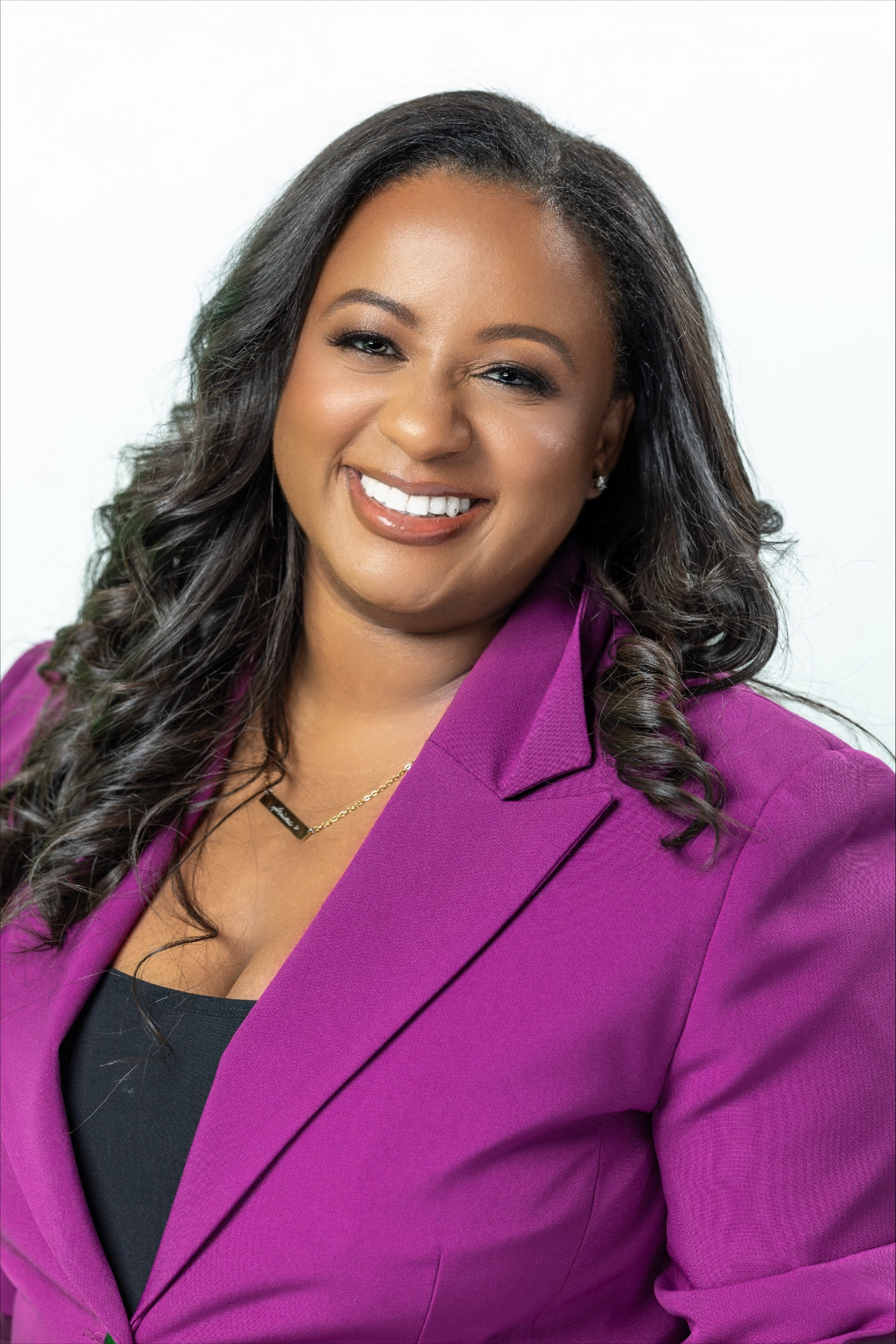
Robbie Reed grew up in Los Angeles, the daughter of a family that understood the entertainment industry from the inside.
By the age of 15, accompanying her younger brother to auditions, she knew exactly what she wanted to do. Not act, not direct cast. She wanted to be the person who found the stars before the world knew their names.
She got her start with Spike Lee, and that alone tells you everything about the level she operated at from the very beginning.
School Days, do the Right Thing, Malcolm X, Mo Better Blues, Jungle Fever, Crooklyn. If those films define a generation of black cinema, Robbie Reed is the major reason why. From there, the credits only grew. Love Jones set it Off. Soul Food, the Best man, Poetic Justice, Four Colored Girls in Living Color, all 125 episodes. The new Edition Story, the Bobby Brown Story, and girlfriends. More than 70 films and television projects that have shaped how black stories are told and who gets to tell them. She's a Hampton University alumna, which means she and your girl already have something in common. She's one of two black women in history to win an Emmy Award for casting directing. She is one of the most important people in the industry, and most people have never heard her name until today. I'm your host, Ariana Drummond. Welcome to NATP Inside the Industry.
I got my fellow Hamptonian in the building, Ms. Robbie Reed. Thank you so much for joining us today.
[00:02:18] Speaker A: Thanks for having me.
[00:02:19] Speaker B: I'm super excited. So let's jump into it.
Your imprint is on some of the most culturally defining black films and television series alive. Not just one iconic project, but just an era. We're talking about School Days, Soul Food, Love Jones, Color Girls and Girlfriends. Looking back at the impact and legacy of those projects, what does it feel like to know your work has helped define and shape the landscape of black Hollywood?
[00:02:44] Speaker A: A blessing because I don't Even really think about it until someone asks me. So when I do think about it, I'm like, wow, that was me and the team and everyone involved. And so I'm just grateful that I was there for such a time as that and that God entrusted me with it. And, you know, it's what I love. So I'm just happy about that.
[00:03:05] Speaker B: I love that. That is such a blessing.
And we know the BET Awards is right around the corner. Congratulations. We know you created and are hosting the upcoming BET Experience open casting call on June 26, which is one of the largest opportunities anyone can have.
What exactly does that look like? Is it an open casting call for your future project or what is it First?
[00:03:27] Speaker A: Well, first, when I created it for bet, it really was an opportunity to give talent that really otherwise didn't have access to Hollywood and auditions an opportunity to be seen by industry experts and also to be ultimately cast in projects. So projects for bet.
BET and any other projects that might be available, because the talent experts and the industry experts actually that are there to see them are from all over.
[00:04:00] Speaker B: Oh, wow.
[00:04:01] Speaker A: Yeah. So it. Honestly, it was just an opportunity and what I thought would be the right thing to do, you know, because there's so many people out there.
[00:04:10] Speaker B: Yeah.
[00:04:11] Speaker A: And people with dreams and hopes, you know, and think that they'll never or, you know, or ever or seem so far away.
So open casting call. If you can get there and you can get in line and get there early and get a number, we'll see you.
[00:04:26] Speaker B: Amen.
[00:04:26] Speaker A: I love that.
[00:04:27] Speaker B: To your point, it's providing an opportunity for people. People are flying in from all over the world to come to this event and this experience and the fact that you're providing, it's such a blessing for somebody. So thank you for doing that.
[00:04:39] Speaker A: Sure it is. And we've actually been able to, over the years, hire many people that have appeared on BET projects.
[00:04:47] Speaker B: That's amazing.
[00:04:48] Speaker A: It's been great.
[00:04:49] Speaker B: I love that. So conceptually, what does that look like for you? I mean, I walking in here today, you were talking about, like, you're busy, booked and busy, and, like, what. Explain what that looks like for you. Like, how hard is that? What are you doing right now putting something like that together?
[00:05:03] Speaker A: Oh, well, there are lots of moving pieces. Lots of moving pieces. And this year, it's at a different venue, so it looks a little different, but really just getting the information out and having the space to do it and the folks there to see it, those are the main things. And just having the right people in the Room.
[00:05:23] Speaker B: I love that. I love that. So, I mean, you kind of talked about it a little bit before, but when you do this, are you looking like, is there something specific that you're looking for with people when they come in, or are you open or what does that look like?
[00:05:35] Speaker A: Just talent. I mean, it's like, really, we say, what do you think you can do? Some people have come in and done gymnastics, you know, but, you know, singers, actors, dancers, comedians, hosts are the ones, you know, that we're really looking for. And.
And then you just kind of put them in the back of your mind or in the front of your mind, depending on, you know, what it is that you're doing. Last year, we were looking specifically for roles, you know, for projects that were in production. So it's different every year. Yeah.
[00:06:06] Speaker B: And, I mean, you talked a little bit like, somebody coming, doing gymnastics. What's the craziest thing you've seen? Or people come.
The talent that have come in,
[00:06:17] Speaker A: probably that. Probably someone that was actually doing flips in aerials and all that.
[00:06:23] Speaker B: And you're like, that is crazy. But that's. I mean, it's amazing to see. But also, to your point, you're just
[00:06:30] Speaker A: like, oh, wow, right?
[00:06:32] Speaker B: I love that. So you created something special. This is a real. Again, this is real opportunity for creatives to have something to prove. What was your inspiration behind taking an open casting call and scaling it to this size?
[00:06:46] Speaker A: Wow. Well, I mean, I've been doing open casting calls a really long time. Actually. I did one for school days, you know, so it's part of what I do when I look for talent. I cast my net just really wide. So the inspiration was just the ability to continue to do that. You know, what is the one time I can or what will give me the biggest opportunity to see the most people? And it's this time of year.
[00:07:09] Speaker B: I love that.
[00:07:10] Speaker A: I love that.
[00:07:11] Speaker B: So I want to pivot a little bit to your background. So before the credits, before Spike Lee, before all of it was Robbie Reed, what was the dream? Did you. Did you ever envision yourself as doing this career path?
[00:07:23] Speaker A: Yeah, I did. I knew him when I was 15, but I wanted to be a casting director, and I started calling myself one long before I ever became it. So visualized it, I, you know, spoke it into being. But I really believe God gave me the. The eye for talent and put it inside me. It was a seed he planted, and then someone came and watered it, and that person was.
So let me just back up. My brother, God rest his soul, Duran he was a child actor, and I would accompany him on his auditions. And one day he was auditioning for a commercial, and I decided to ask the receptionist who he was going to see.
And she said, oh, he's in there with the casting director. And I said, well, what does the casting director do? And when she told me, it was like a spark went off. So that's what I'm saying. The seed was planted. God put her there to plant the seed. And then I had a mentor who told me when I thought for a hot second that I should act, because people were like, you have a look. You have this. You should be in front of the camera.
And he said to me, reid, which is what he called me. He said, there are two people.
Those who love it and those who can't live without it. Which one are you? And I was like, I'm a casting director.
And so I really knew. And when I graduated from college, I pursued it, called everyone I didn't know Cold called. I was bold and fearless. I need some of that now, you know, and just make cold calls. And it was Jackie Brown. Carmen, God bless her heart, returned my call and inspired me, you know, just to be bold. And then Ruben Cannon let me intern with him.
And then I got hired to be a casting coordinator in an office where I got a lot of training. I did TV series and movies, Cagney and Lacey. I'm dating myself. I was five. Right. Child prodigy. Did I mention that?
[00:09:18] Speaker B: Yes.
[00:09:19] Speaker A: Okay, okay.
But all that to say I. You know, when I met Spike and he gave me the opportunity to cast School Days, I was ready.
[00:09:27] Speaker B: I love that. And I do want to come back to. Exactly. Like, for people watching right now who may not know what a casting director does, I'm gonna come back to that. But keeping on to your background, I know, again, you went to Hampton University, so I have to.
How much did that HBCU experience shape the way you move in the industry?
[00:09:45] Speaker A: Oh, Hampton changed my life. I had gone to. I was raised in Los Angeles, California, went to Beverly Hills High School, went to schools that were predominantly white, and I didn't even know Hampton existed. Or HBCUs. Like, the guidance counselors didn't tell us about HBCUs.
[00:10:06] Speaker B: Yeah. Even for me, they didn't.
[00:10:08] Speaker A: Wow, that's amazing. Right? When I think about it. So it was a friend who came to school with a catalog from Hampton and showed it to me, and I literally fell in love with the pictures of all the black people on campus.
[00:10:19] Speaker B: I was like, where? Where is this?
[00:10:22] Speaker A: And then I begged my parents to let me go. I had applied to UC Santa Barbara and had been accepted. That's where I was headed. And I made a deal. I was like, just let me go one year to get my black experience and I'll come back. But once I hit that campus, I was like, I ain't never leaving. Okay.
[00:10:38] Speaker B: It really is, what do they say, the home by the sea. So, yeah, to your point, I like, you find your little niche of people and y. And it's an amazing experience for people.
[00:10:46] Speaker A: It really was. It was life changing. And I left there feeling like I could do anything.
[00:10:51] Speaker B: I love that. That's beautiful. So how much. How much, if at all, do you think that environment shaped the way you see black talent?
[00:10:58] Speaker A: Oh, I mean, you know, very much.
Right. I mean, I've always seen black talent like us. I mean, we're array of people, right. We're rainbow.
And I really saw that at Hampton.
Yeah, you know, that's true. I did. I mean, I just. We were all shapes, sizes, colors, you know, not that we were one monolithic thing in la, but it was different. I mean, they were folks from all over the place, you know, as far as Africa, too. Right. I remember there was this Nigerian sister and Nigerian brothers in our tennis team that were all, you know, colors and just beautiful. So I know that had an effect. Yeah. When we cast. So when I was given the script for School Days, I immediately saw Hampton. That was my experience.
[00:11:46] Speaker B: I love that. So do you think Hampton prepared you for Hollywood, or do you think you had to learn Hollywood from scratch?
[00:11:53] Speaker A: That's a good question.
[00:11:54] Speaker B: I think a little bit of both.
[00:11:56] Speaker A: Right. Because Hampton prepared me in a way where I knew that.
I mean, I believed I could do anything. Right. And then Hollywood told me that.
I love that, you know, like. Or tried to tell me, no, you can't. But then I was like, oh, yes, I can.
[00:12:12] Speaker B: Okay. I love that. That's beautiful.
[00:12:15] Speaker A: Oh, my goodness.
[00:12:16] Speaker B: So now you're one of.
One of few very black women to ever be nominated and win an Emmy for casting. Take us back to your humble beginnings. When did your career first take off? What were you working on? And how did you get your foot in the door?
[00:12:32] Speaker A: Well, I've kind of pushed my way through. I, you know, did. I was always with my brother. So whenever I was on sets and things, I would talk to people and ask them about what they were doing, you know, and to explain it to me. And there was one project in particular. He was. It was a commercial, and there was a woman Named Donna Cantor. She was producing that commercial. And I started talking to her and I told her that I was casting director, which I wasn't yet.
And she said, I'm actually taking.
She was a student at AFI American Film Institute and directing workshops for women. And she said, I have this project that it's my. I guess it would have been the.
What would be considered like the senior thesis. And she said, I'll need a casting director. I'm like, I could do it. I heard that I didn't know what I was doing, but like I said, I believed in myself and my ability. And so really that was my first project.
It was called Children on their Birthdays. And it was a short film. And Donna just took a chance in me and let me have that opportunity was, you know, I learned a lot. And then from there went to work at the company McLean Demeo, where I was hired as a casting coordinator and then moved into casting assistant and got to experience a lot of real. In process, you know, casting. Of course, there was a lot of administrative, you know, when we did. That's when you had the Xerox machine and carbon copy. You probably don't know anything. No, no.
[00:14:03] Speaker B: Yes, I do. Yes, I do.
[00:14:04] Speaker A: You do. Okay.
And messengers, you know, and all that stuff. No fax machines.
So we really had to do everything. But it was great. It was a great learning, you know, opportunity.
[00:14:16] Speaker B: And what I love just listening to you even now. I. I love that you've always operated in a spirit of like, no, I do this. Like I'm. I'm claiming it. This is mine.
[00:14:25] Speaker A: Oh, yeah.
[00:14:25] Speaker B: I'm operating in that. That's. I mean, because to your point, you know, they're afraid, they're self conscious and everything like that. But like, you just have the confidence of like, nope, I'm doing this.
[00:14:34] Speaker A: People are quick to tell you what you can't do or put you in a box.
[00:14:37] Speaker B: Yeah.
[00:14:37] Speaker A: But, you know, but I've been walking by faith for a really long time, so that's, you know, a big part of it too. And my, and the way I was raised as well, my parents, they were always. They were big on. No, you. You want to do it, you claim it and you go for it. Work hard.
[00:14:51] Speaker B: That's beautiful. I love that.
So people love to talk about the talent that they see on screen, but they rarely do talk about the person that they see who first scouted them. I want to take some time to recognize the role of a casting director. Can you talk me through exactly what you guys do?
[00:15:07] Speaker A: Great question.
So I liken us to what you might call the, well, job placement. Right. So I remember I had a job one summer in between, I think was my junior and sophomore year where I was a job placement counselor and it was at a college, Right. And so what we had to do was look on the job board. Someone would come, say they were looking for a job and interview them. What is it that you want to do? Go look on the job board, see what's there, match their talent to what was available, and then pitch them to the employer. Right. So I did that for a summer. Loved it. Had its 100% success rate. Everybody I placed, I didn't realize until years later that I really was casting. Right. So casting directors find the right actors, the best actors for whatever the role is. We get a script, we break it down, we look at, you know, however many roles there might be, and then from there, once you read it, you think about what actors you already know that might be right. Some projects require name actors. So you do might do a name list, right. And then you might do a list of actors, you know, that are great.
And then you decide what roles you might want to put out on Breakdown. And Breakdown is a service that breaks down the scripts or you break it down for them, but you provide the information that goes out to all the agents that then, you know, are able to send their talent, submit their talent that you can choose from. You want to audition. So you go from there to the actual audition. You have pre reads that will be, you know, the casting director might see the actors the first time around, and then you'll have callbacks that will be for the director and or producer. Right. And then the callbacks might go to chemistry reads if you need to see how actors work together. And then that means you have your first choices come and read together, and you mix and match.
So it's a process like that, a process of elimination. And then you get to, what, whittling it down to you who you feel is best for each role. And oftentimes it's who's best for all of the roles because it's an ensemble, Right.
And many times, and I tell actors this all the time, it doesn't have a lot to do with your talent. It just is what is needed at the time for the part.
[00:17:36] Speaker B: What type of skill set do you think you need to have or people need to have to be a good casting director?
[00:17:42] Speaker A: I think the ability to really see beyond what's in front of you. Right. And that's what's something I've been able to do, you know, kind of see those diamonds in the rough.
See the folks that might have had. You could tell they're nervous, but they're good. Let me give them another shot at it, right? Or say, you know, stop. And that's the other thing I tell actors when you're auditioning, if you're feeling like it's not going right, stop and start again.
It's your two seconds, two minutes or however long it might be. Don't ask for permission, just do it because you want to leave an impression. And if you don't get the job, I almost guarantee that casting director, if you've made an impression, will remember you and you'll be back in front of them again.
[00:18:33] Speaker B: I love that. And then what has been your favorite maybe show or film again, you have such a huge resume, so maybe top one two that you've casted on. Any favorites?
[00:18:47] Speaker A: Oh, my God. There's some. There are many. There are many.
I had a really great time doing In Living Color. That was fun. Of course. That was so much work though. It was a search that we like had to do in six weeks. And it really was a six month search that we had to do in a very short period of time. And we went all over the place to find people, school days, Tuskegee Airmen.
[00:19:10] Speaker B: Oh, that was amazing. We, because of Hampton, we went to go see it at our or.
No, we had a.
We had an event where they showed the film. And I was just like, I didn't know that. Most of them, I think, were from Hampton or something like that. So that was a beautiful film.
[00:19:26] Speaker A: That was beautiful. Yeah.
[00:19:28] Speaker B: So when you think about a film like Love Jones or Set it off for the Best man, these are films that didn't just have black actors, but the movies had captured something true about black life. How much of that is cultural accuracy starts in the casting room. And how much of that is intentional in the process?
[00:19:46] Speaker A: Well, I think it starts with the writing.
And so those projects in particular.
So you named the best man, that's Malcolm, and then set it off with F. Gary Gray.
Love Jones is Ted Witcher. Those are all very intentional written by black people about black people.
And so when we went to cast, it was like, you know, a no brainer that we were going to make it as authentic. And there were people we knew, you know what I mean? Like, we were familiar with and whether, you know, we went to school with them or they were in the neighborhood or just someone that felt familiar. Right. In many instances.
So I Don't know if I answered your question, but. No, you did, you did, you did.
[00:20:35] Speaker B: But how do you build worlds like that from scratch?
[00:20:38] Speaker A: You just start from scratch, you know, it's like, okay, what do we need to do? And so I remember on In Living Color, I just.
We would work around the clock, literally just calling, like, comedy clubs and then calling, you know, managers that had comedians. Like, that was the thing they did. And you call other comedians and just asking, who's there? Who's out there?
[00:20:59] Speaker B: Employees.
[00:21:00] Speaker A: For us within Living Color, we needed people who could do characters so not just stand up.
[00:21:04] Speaker B: Yeah.
[00:21:05] Speaker A: And that was an interesting thing, too, because the standup comedians were not good at it because that's not what they did. Yeah, yeah, right. But then some of those comedians who at the time bombed during the auditions went on to become great acting character actors, you know, so it's interesting how people grow.
[00:21:29] Speaker B: Yeah, that's right. But yeah, so there's a saying that casting is the first act of storytelling. Do you believe that? And then, if so, does it mean for stories? What does it mean for stories when black casting directors aren't in the room?
[00:21:44] Speaker A: Whew, that's loaded. So, yes, it does, because you can have, I think, a great script, but if you don't have the right actor or person speaking those words, it's just not going to matter.
[00:21:57] Speaker B: Yeah.
[00:21:57] Speaker A: Right. So it really does start with casting. And I think. I mean, I'm not going to sit here and say that you need someone black to cast someone black, but there is a language that we just know. Right. And it's unspoken.
And there are things that we learned, you know, just from being who we are and that, you know, we've gleaned from, you know, our families and our ancestors just in our DNA. And so it's helpful to have us in the room. It's going to matter. It's going to make a difference all of the time. I love that.
[00:22:35] Speaker B: So the industry has had many public conversations about diversity, representation, and inclusion over the years.
From where you sit, as someone who has been doing this work for decades before it became a hot topic, what has actually changed in this industry? And what do you think still needs improvement opportunities?
[00:22:53] Speaker A: You know, we've gotten more opportunities, and we need to improve that, too, because we are still not in the room as much as we should be. I don't. You know, we are given opportunity to have positions of power, but then they don't last.
[00:23:09] Speaker B: Yeah.
[00:23:10] Speaker A: And then we're there alone and don't have the support.
[00:23:14] Speaker B: Yeah.
[00:23:14] Speaker A: So I think we need more of that. And then as we, we are in those positions, to really be mindful and deliberate about pulling up, you know, those that can come and, you know, eventually be in those positions.
[00:23:29] Speaker B: I 100% agree.
So I want to shift a little bit to audience members who are watching, who are really looking for some insight on how to break into this industry. I know in 1988, you spoke about when you first met filmmaker Spike Lee at a freshman orientation at Hampton and later introduced him to two time Academy Award winning costume designer Ruth E. Carter.
[00:23:51] Speaker A: Well, it's a little different than that. Spike and I didn't go to college together. Ruthie and I did. So Ruthie and I met freshman orientation at Hampton. And then years later, of course, I mean, so we became, you know, good friends. She was in my wedding, blah, blah, blah, you know.
But when I, the night I met Spike, I introduced Ruthie to Spike. We were on. That was a very fateful night.
[00:24:15] Speaker B: I love that.
So, I mean, just talking about relationships in this industry, how important do you think it is to have relationships? I guess in this industry?
[00:24:24] Speaker A: Oh, it's very important. I speak on that all the time. You make those friendships and relationships and you know, be it in school or be it in acting classes or workshops and, and you hone them and then you look up and you've got your core. You know, when you're either working and looking to hire someone or you're working or not working and looking to get hired.
[00:24:48] Speaker B: Yeah.
[00:24:48] Speaker A: Right. You have those relationships and to your
[00:24:50] Speaker B: point, you never know who someone's going to be.
[00:24:52] Speaker A: You never know.
[00:24:53] Speaker B: Yeah. It's important to treat people well.
[00:24:55] Speaker A: Exactly. Better.
[00:24:59] Speaker B: So for someone who hasn't yet formed industry relationships, what advice would you give them if they were building from nothing,
[00:25:06] Speaker A: to just treat people the way you want to be treated.
You know, just always do that and look to just be, you know, have a spirit of excellence, you know, and, and be eager to learn and not be afraid to be wrong.
Because there is a learning in that. Right. You should never want to be the smartest one in the room.
So just again, you know, be respectful of the people that you're there and growing with.
[00:25:38] Speaker B: I love that. Great advice.
Is there anything you wish someone had told you earlier on in your career? And what would you go back and tell your younger brother?
[00:25:47] Speaker A: Oh, I would tell the younger Robbie that all those times you thought, yeah, maybe I'm not good enough, that you were.
Every single time.
And there were many times I felt that even as positive as I was or clear about what it was I wanted to do. There were so many times when I doubted it.
[00:26:15] Speaker B: Yeah.
[00:26:15] Speaker A: You know, so. Yeah, that's what I. Tell me. You were. You were right.
You were right. And just keep going.
Sweet.
[00:26:25] Speaker B: So again, you've been doing this. You have such a.
An impressive resume. You've given debut roles to the likes of Jamie Foxx and Halle Berry and even Beyonce.
Have you ever cast someone that you weren't 100% sure about, took detention on them and then watched them exceed your expectation?
[00:26:44] Speaker A: No. I've always.
I heard that. I mean, I saw it and I knew it pretty much. I mean, I saw that.
[00:26:51] Speaker B: I was like,
[00:26:54] Speaker A: I heard that.
[00:26:55] Speaker B: I love that. I love that. That's dope. That's amazing.
So what is the biggest mistake you see maybe talented people making when they finally get in the room? Whether it's an audition or a meeting or pitching, and then the things that make you think, oh, they were so close and maybe something happened.
[00:27:12] Speaker A: The biggest mistake I think that people make are making excuses.
And I think that. And lack of preparation.
[00:27:22] Speaker B: Yes.
[00:27:23] Speaker A: Right. So I always say, whatever you do, just come prepared.
[00:27:28] Speaker B: Yeah.
[00:27:29] Speaker A: And bring your A game because you want to book the room and not the job. So that way you will be remembered. And so that's what I see most of anything. They'll either do way too much, you know, or just not enough or make an excuse for why either happened.
[00:27:48] Speaker B: Yeah. So is there ever a moment where, I mean, you did say, hey, just like about the pausing thing. Like, is there ever a moment where, like, somebody messes up and they're too far gone? Or do you think it's still fine to just be like, look, I'm gonna just start the whole thing over?
[00:28:02] Speaker A: That's fine. Yeah, that's fine.
Do it. And if it's a problem, the person is going to say, oh, no, we've seen enough.
But, you know, chances are if you ask, can I do it again? They're gonna be like, you know what?
They're gonna think about the 30 people that are waiting in the room, and they're gonna be, yeah, no, I think we got it.
[00:28:18] Speaker B: Okay.
[00:28:18] Speaker A: Thus, I'm like, just go ahead and, you know, take your moment.
[00:28:21] Speaker B: Yeah, that's important. You only get one chance or one shot. So take that one shot.
[00:28:25] Speaker A: One shot to impress the first time.
Oh, that's true.
[00:28:30] Speaker B: When I think about the spectrum of your work. For example, again, we talked about Living color is a completely different world from four colored girls, yet you help create the worlds for both projects. How does Your instinct shift depending on the format or tone of the project?
[00:28:46] Speaker A: Well, I guess it shifts worlds.
Just really depends on, you know, if it's, you know, if we're looking for something that's more dramatic or something that has more comedic, you know, so that's going to definitely dictate who you're thinking of, talent wise, because they're just some, you know, people that are, you know, better in certain areas than others.
So that would be, you know, what would shift. But, you know, again, I don't like to pigeonhole people. So if it's someone that's not necessarily known for comedy, but they want to come in and try it, I'm gonna be like, okay, come in and give it a shot. Right. They're not necessarily funny. I cast Terrence Howard in a sitcom called Sparks, and Terrence was a dramatic actor. Right.
[00:29:35] Speaker B: That's true.
[00:29:36] Speaker A: But he was funny in his way. Right. So he wasn't your kind of three camera, typical sitcom y funny, but his humor was subtle and it worked for that role. I love that.
[00:29:48] Speaker B: Right.
[00:29:48] Speaker A: And it wouldn't have happened if we didn't give him a shot at it.
[00:29:50] Speaker B: That's true. I love that. So I want to pivot for a second and talk about the future of the industry.
If you could change one structural thing about how Hollywood develops and discovers back talent, not a trend, not a campaign, but something systemic, what do you think that would be?
[00:30:06] Speaker A: That's the question. I didn't.
What would it be? If Hollywood.
[00:30:12] Speaker B: Ask me, if you could change one thing about how Hollywood develops and discovers black talent, would you change anything? I mean, of course, maybe, like, I mean, you talked about giving people more opportunities, like in front of and behind the camera and pulling people up, but is there anything else that you think would help?
[00:30:31] Speaker A: Well, I think that the one thing that could change besides giving them opportunity, I don't know. I think just really knowing that, I guess believing that there is a lot of talent out there and that even if you're not seeing it, it's there to keep pushing and keep looking and keep pressing and give the people that might not seem at first like they can do it a real shot at it. Yeah. And even if it means a second and third chance, but do that. Right. And then, you know, kind of go from there. Don't shut the door at the beginning and say, nah, just keep that door open. I love that.
[00:31:21] Speaker B: And how do you define your legacy? What is the impact that you want to leave or made when it's all said and done
[00:31:29] Speaker A: that Robbie loved What she did, truly, truly loved. The best part of my job is telling a person they got the role. I love that. And giving the opportunity.
[00:31:42] Speaker B: Yeah.
[00:31:43] Speaker A: You know, regardless of how it might look, what it might seem, or what the kind of narrative might be.
[00:31:51] Speaker B: I love that. That's beautiful.
[00:31:53] Speaker A: Thank you.
[00:31:54] Speaker B: And then last question. The industry is always changing. New platforms, new faces, new conversations. But some things stay true. What is one thing about the work, about the business, about what you do that you hope never changes?
[00:32:11] Speaker A: I hope that.
The role of the casting director never changes, that there will always be that role required to be the conduit for, you know, the actor to the work.
[00:32:34] Speaker B: Yeah, I love that.
So before we end this interview, I want to play a really quick game with you.
[00:32:41] Speaker A: Okay.
[00:32:42] Speaker B: It's a game called inside your industry bag. It's not quite a bag, but in your cup. You'll have a prompt if you could kindly pick one of those and then read that. It's nothing crazy, I promise.
And you can pick another one if you don't like it.
[00:32:54] Speaker A: Okay, I read it. And then what? I answer that.
[00:32:57] Speaker B: Yes, please wait. Oh, read the question. Sorry.
[00:33:02] Speaker A: Oh, what trend are you tired of?
[00:33:06] Speaker B: And you can pick something else if you don't want to do that.
[00:33:12] Speaker A: I love it. Am I tired enough?
Yeah. There's so many.
[00:33:15] Speaker B: All good things. All good things.
[00:33:22] Speaker A: The moment I almost quit. Wow.
What moment was that when I almost quit?
Huh?
I don't know if it was.
Well. Oh, God, I just thought about it.
So there was a project called was Don King the Don King story only in America. And ended up being. I ended up being nominated for an Emmy for that too.
And it was a really hard job where, you know, we had to hire, find all these boxers. And, you know, boxers bodies are very different than actors bodies. And it was one of those jobs that we had to do very quickly, and it really required a search probably that needed a year.
And the director was special and very demanding, which is fine because I can work with all kinds of town types. But this particular day had been a very long day for me.
And I hadn't eaten, you know, and had been working really hard.
And I remember going, I had put people on tape for him. And so I was waiting to show him the tape, and it was very late. It was probably already 9 o'clock at night. And he was in the room and all that to say there. I was hungry, and I remember food going into the room where he was. And it was maybe another hour went by and then I finally was called in and did what I had to do, but I just felt really disrespected in that, like, my. My time and everything. And I was like, you know what? I don't need this treatment. I was so mad.
[00:35:08] Speaker B: You know who I am. I was so mad.
[00:35:11] Speaker A: I was. I've never been that angry. And I remember going. And, you know, of course, I was professional.
[00:35:16] Speaker B: Yeah.
[00:35:17] Speaker A: And I went, you know, through everything, and, you know, we found a few people, and I left probably almost at midnight, and I went to the car, and I called the producer, who was very kind, and I told him, I'm like, that's it. I'm done. I quit. I quit.
And he was like, I need you just to go home and sleep and not make a decision. Thank God for him.
And the next day when I went, they had a spread for me, and he apologized.
[00:35:45] Speaker B: Sweet. Okay, that's beautiful.
And really quick, I do want to ask you about casting directors being added to the academy. What are your thoughts about that?
[00:35:54] Speaker A: I love it. I mean, we had been. That had been a long time coming. I worked, you know, as when I was a casting assistant. The Emmy category wasn't there yet, so.
Long time coming.
[00:36:06] Speaker B: Yes.
[00:36:06] Speaker A: It was so exciting to be celebrating, you know, with everyone who was nominated. We had get together, you know, it was great, and I just wish it was retroactive, but I'm waiting for my opportunity.
[00:36:22] Speaker B: I love that. And it will come. We're speaking into.
[00:36:24] Speaker A: That's right. It will.
[00:36:25] Speaker B: Amen.
[00:36:25] Speaker A: Amen.
[00:36:26] Speaker B: And then also before I wrap, was there anything that I didn't get to ask you today that you want to talk about or that you want to drop some wisdom or drop a gem on any audience members maybe wanting to follow in your footsteps?
[00:36:37] Speaker A: I do want to say that.
What if you're really thinking about going into this business, and if it's what you really, truly believe that God carved out for you to do, do it. But make sure you prepare. If you. And that's taking classes, studying, learning everything you can about it, because it's called show business for a reason.
[00:37:00] Speaker B: Yeah.
[00:37:01] Speaker A: Right. So learn about the business, and then if you're in front of the camera, learn about that. If you're behind the camera, learn about that. Doesn't all have to be in front of the camera, but also remember that what God has for you, it is for you.
So if you don't get the role, it's not yours.
[00:37:18] Speaker B: Yeah.
[00:37:18] Speaker A: It just really isn't. And there is one for you. And it will come.
If it's truly what you believe, it's for you, then you'll stay in it and it will come.
[00:37:30] Speaker B: I love that. Great advice. Thank you.
[00:37:32] Speaker A: You're welcome.
[00:37:32] Speaker B: Well, that's a wrap for today's episode. Ms. Robbie Reed, thank you so much for coming by and just speaking to us about the world of casting. I. There's a lot of information I didn't know.
[00:37:41] Speaker A: Really?
[00:37:42] Speaker B: Yeah. I didn't know that you got. You did what you did, so. And the fact that you're literally shaping black Hollywood is just. You been an icon in my eyes for a long time. And the fact that you went to
[00:37:52] Speaker A: Hampton, I was like, I want to talk to her. I'm so glad.
[00:37:54] Speaker B: So thank you. I really appreciate it. Thank you so much.
[00:37:56] Speaker A: I appreciate you. Thank you for having me.
[00:37:58] Speaker B: I hope you enjoyed today's episode. No matter where you are in your journey, we are here to be a resource. If this conversation sparks something special for you, make sure to, like, subscribe and share and drop a comment letting us know what conversations you'd like to see next. I'm your host, Ariana Drummond. See you inside the industry.