Episode Transcript
[00:00:00] Speaker A: For me, I was never one of those kids. I was like, oh, I want to do acting and I want to do soccer. Like, no, like, from the moment, like, I was sitting at home watching Disney channel on the TV and looking at it, like, oh, my God, like, I would love to be up on there. Like, I just always wanted to do it. So if you're going to do it, like, definitely be 100% into it. The shot taught me a lot of things that I didn't know about myself as far as my capabilities from acting to me being a human being, to me being a young man, I'm a big, firm person. On telling everybody, like, this is possible. Yeah, Like, I'm living proof. Like, cause I've seen it.
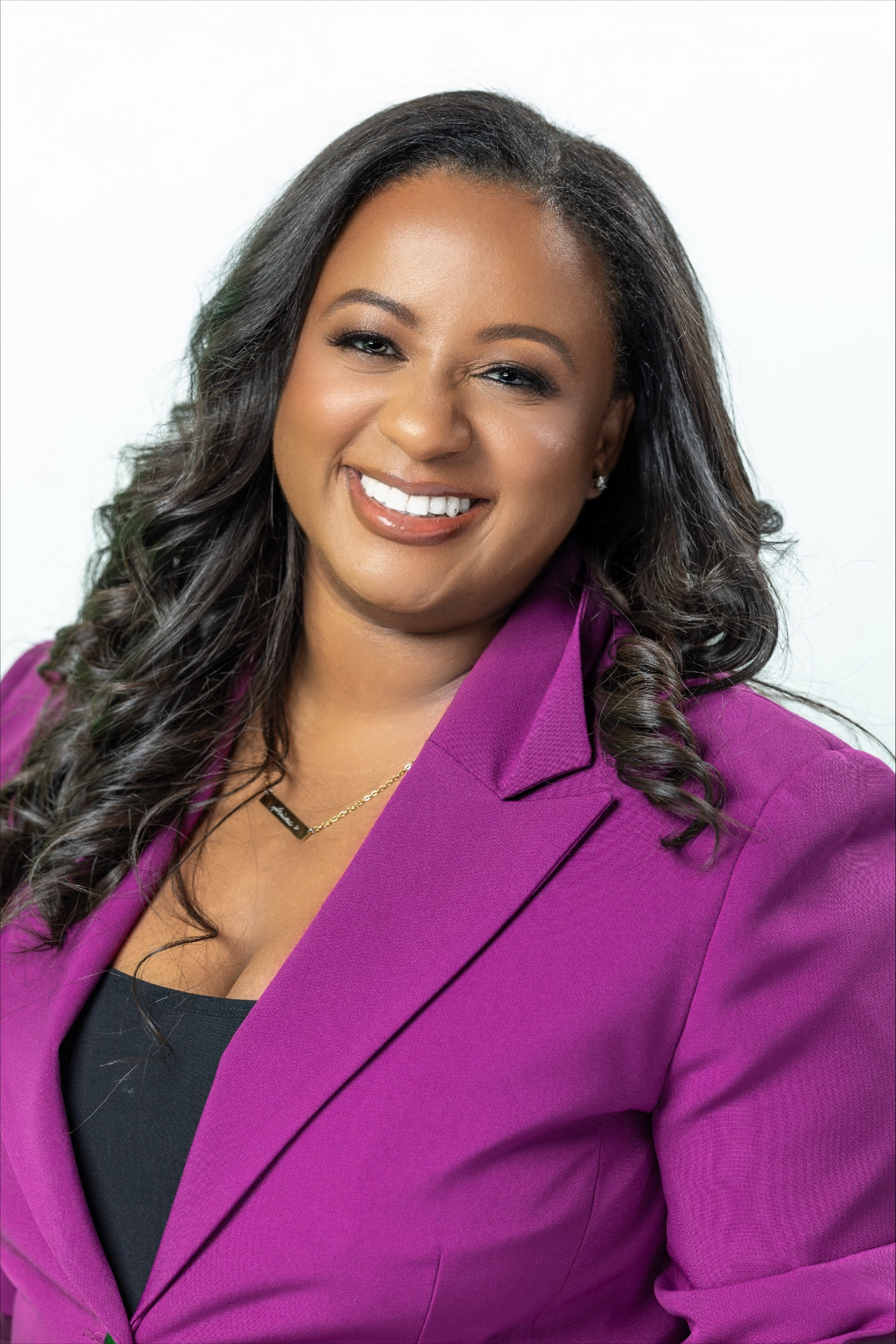
[00:00:36] Speaker B: Growing up in front of the camera at such a young age has to be a unique experience. From living in the spotlight 247 to balancing your personal life and trying to build your identity, it's a lot to carry before you even figured out who you are. But for today's guest, Shimon Brown Jr. The pressures of stardom never stood a chance against his drive. You may know Shamon as a lovable character. Papa from the shy. Or maybe you remember his voice from Teenage Mutant Ninja, Mutant Mayhem, where he brought the iconic Michelangelo to life. But Shimon is also a recording artist, an entrepreneur, a designer, and so much more. This conversation goes deep into the life of a highly motivated, multi talented artist who always knew he was destined for greatness. He wasn't going to let anyone or anything tell him otherwise. I'm your host, Arianna Drummond. Welcome to NAACP and inside the industry.
Ladies and gentlemen, we got Shavon Brown Jr. In the building. Hey, how are you doing today?
[00:01:37] Speaker A: What's going on? How you feeling?
[00:01:38] Speaker B: Good, good. I'm super excited. I was just telling you earlier, but like, to see you grow up on screen is just so amazing to me. And I know we're going to talk about all things shy, all things a new season. But before we jump into that, I have a couple questions for you. Ready to go?
[00:01:51] Speaker A: Let's do it.
[00:01:52] Speaker B: Awesome size. So you've been working since you were 5 years old, which is absolutely insane. You've been on a critically acclaimed.
You voiced one of the most iconic animated characters, Michelangelo.
When you look at your life right now, is it everything that you imagined it would be?
[00:02:09] Speaker A: Yeah. Honestly, like, truthfully, I've always had a certain type of mindset as a kid. Like, I just knew. I don't know, it's just like when you just grow up knowing you're Gonna be destined for certain things.
So it's just like.
It's everything I thought it would be. Amor. I'd say it like that.
[00:02:28] Speaker B: I love that. So I know you got your start in a theater in Chicago. Yeah. When did you know that this is exactly what you were meant to do?
[00:02:38] Speaker A: I'd probably say around, like 8 years old. Like, I started when I was 5, but, like, it was really just a kid. Just wanted to be on tv, wanted to be on stage and just have personality.
Always followed directions well. Always had personality to me, so. Which is kind of hard as a kid. It's like you either got one or the other. It's like a kid. You'll listen, but then they can't do the lines right and can't memorize stuff right. Can't follow directions. So I would probably say, yeah, like around 8 years old.
[00:03:07] Speaker B: Was your family in theater or. Really? That's crazy.
[00:03:10] Speaker A: Nobody.
My uncle actually is Cory Hardrict, and he amazing actor from Chicago doing this big one right now.
So it's just like. But I didn't even know he was an actor till I got older. Like, so it was just like, for me, I remember going to a movie premiere in Chicago with him, like, signing autographs before I was even anybody. I'm just sitting there like. Like literally just signing stuff and not knowing that this is what my life was gonna eventually turn into.
[00:03:43] Speaker B: I love that. And just speaking of family. So I'm assuming your family was and still is among one of your first advocates when you were starting off in the industry. Is that a good assump?
[00:03:53] Speaker A: Yeah, absolutely.
[00:03:55] Speaker B: So what role does and did your family play when you were starting off in your career?
[00:04:01] Speaker A: They were just the backbone. You know, they say it takes a village to raise a child individually, but to raise Shamahan, it definitely took a whole community, like, from it was days, my mom had to work, whereas my grandma or my grandfathers or my dad or different people even. Sometimes my mom's friends would take me to auditions and different things and run lines with me and make sure I was good and make sure I was straight.
Everybody just always believed in me and they always saw a future and something in me. Like, I don't know, it had to take my mom to come on here and certain people to come on here to, like, say it. But, like, everybody just genuinely believed in me. I love that. So I appreciated that. Shout out to mom.
[00:04:46] Speaker B: Shout out to the parents. Shout out to the community. That's amazing. That's beautiful. So do you have any advice for parents who have kids who want to pursue maybe a path in acting.
[00:04:56] Speaker A: I would say believe in them.
I would say make sure it's what they want. For sure. We are in an industry where a lot of times it's what the parents are like, oh, my kid is cute, or I think my kid got a funny this or that, or have personality. But at the end of the day, it has to be what your child really wants.
Listen to your child. Be there for your child 100%.
Do your research, please do your research. Honestly, this industry is so.
Has so many loopholes in it.
A beautiful industry, but it does have its loopholes. And if you're not present, it will show.
[00:05:33] Speaker B: Yeah.
[00:05:34] Speaker A: Not only for the child, but when your child does roles with how people treat your child as well. Like, they could tell who has active and good supportive parents and who don't. When it comes to, like, directors, producers, casting people, whoever it is.
And just, you know, make sure your child has a good.
I think if I was to say anything, if my mom was here, if she was gonna say anything, and I always give her her props, she always made sure I had a good child and actor life balance. One never, like, foreshadowed the other and took over.
Like, I remember, like, after every audition, like, me and my mom would go get ice cream or like, a sweet treat. Like, that was just our thing. Like. Cause it was like, no matter if you got the role, didn't get the role, like, I'm still proud of you. I'm still here, and you're still did a good job, and I'm proud of you.
[00:06:21] Speaker B: Do you have any advice for kids who want to do what you do?
[00:06:25] Speaker A: Advice for kids that want to do what I do? I guess just kind of going back to my earlier thing, like, make sure you genuinely want to do it.
[00:06:32] Speaker B: Do it. Yeah.
[00:06:33] Speaker A: Like, for me, I was never one of those kids. I was like, oh, I want to do acting and I want to do soccer. Like, no, like, from the moment, like, I was sitting at home watching Disney channel on the TV and looking at it, like, oh, my God, like, I would love to be up on there. Like, I just always wanted to do it. So if you're gonna do it, like, definitely be 100% into it. It's important to have different things that you like to do.
Keep your mental strong. Make sure you have people that you can talk to in this industry.
And I would just say again, do your research.
And even, I don't know, you gotta kind of make your own village. You have to make your Own village in this industry. And, you know, keep God first.
[00:07:13] Speaker B: For real, please.
[00:07:15] Speaker A: Keep God first.
[00:07:15] Speaker B: Okay.
[00:07:16] Speaker A: For. Definitely.
[00:07:17] Speaker B: Amen. So, I mean, I know you talked a little bit about some of the, like, seeing yourself on or just watching Disney Channel and just being able to see yourself. Any shows that you were watching at the time, what were your favorite shows?
[00:07:28] Speaker A: It's so crazy. Like, I really caught the end of, like, the that's so Raven era.
[00:07:34] Speaker B: That was my girl. I love that's what Raven.
[00:07:36] Speaker A: I really was watching. Like, I don't care if they was reruns or what, but, like, I was really watching, like, that's so Raven. Corey in the house. Like, let my mom tell. It was really, like, Hannah Montana.
[00:07:45] Speaker B: Yeah, no, for real.
[00:07:46] Speaker A: That was the whole, like, whatever that era of Disney was. Like, that's definitely what I was watching.
[00:07:51] Speaker B: No, 100%. Because I feel like I even have some of the mannerisms now of, like, her, like, quirkiness, and I'm like, oh, I definitely got that from her.
[00:07:59] Speaker A: Like, that's lit.
[00:08:01] Speaker B: I love that. So do you have any, like, fun or interesting stories of when you maybe were first starting off auditioning? Do you have any antidotes for us?
[00:08:08] Speaker A: Um, I would say, like, I remember going to auditions and seeing how serious kids and their parents took it in Chicago. Like, I don't know. Like, I think people always looked at me like, the underdog. So, like, it's kids that might have. They see. Always see the same group of kids. Like, before I really started having certain auditions and stuff, and I'm the type of kid, like, I would show up on my Nintendo DS and I'm playing the game, and, like, kids will be looking over at my. My game and look like, oh, what he playing? And, like, moms and dads would be so strict on their kids, and it's like, it kind of. That's why I say, like, it drains the life. Like, the fact that I know, like, okay, I close this game. Like, I could lock in.
[00:08:49] Speaker B: Yeah.
[00:08:50] Speaker A: Like, that was the thing. It was, like, for me, it was serious, but it wasn't.
[00:08:53] Speaker B: Yeah.
[00:08:53] Speaker A: Like, even to this day, like, if. When there's no fun in it, I feel like that's when you lose a love and a passion for it. When, you know, you stop having fun with what you're doing. Yeah. So it's just like, when I went in there, I'm like, okay, I learned these lines, like, I hope I get the role. And it's like, if I don't, like, that's okay. And I'm Like I said gon go get ice cream after this. It's like parents. Because sometimes parents saw their kids as like meal tickets, you know what I'm saying? And it's just like, dang, your kid don't even like this for real. Even if some kids that don't like it, they actually got roles and opportunities because their parents drained the life out of them. Like fun memories was just like just being in person and just like before everything, like I don't know, it's like even doing the shot auditions, like all of that was in person. So it was just like a certain type of energy back then. I don't know. Like I miss in person auditions like to a fall before everything and like everything being so self taped. Yeah. Like it was just a certain type of spirit and energy. So. And nostalgia in doing self tapes and that.
[00:09:54] Speaker B: I mean earlier you talked a lot about community, like how important is having a good team around you? And I mean what I mean by that, like agents, publicists, managers, like how were you able to get your team? Or like what age did you get an agent, get a publicist, all that stuff.
[00:10:09] Speaker A: Yeah.
I would say it started off at home. Like my mom, like to this day my mom is my manager. Like my mama Jerry. Like that's.
[00:10:16] Speaker B: I love that.
[00:10:17] Speaker A: That's my girl. Look, look. And just like having somebody that always has your best interests at heart and then that just grew. Like my mom was there with me every step of the way. And my team kind of is a reflection of my mother, I would like to say, because she's just a genuine, real amazing black woman.
So my team, my agent, like Shadow Stewart in Chicago, I've been with them since I was 8 years old. They got me the shy, they got me turtles.
Just having a solid team, we're about having genuine people, you know, knowing that this isn't about the money or the opportunity. It's about who we are at our core. Like, can we work together? Well, who can I call up in the middle of the night if I have a question? Like, I like having people on my team that have my back no matter what.
The ups, the downs, the highs, the lows. And they're with me every step of the way.
Creating a solid team is definitely hard.
It's definitely some people out here that aren't good agents, that aren't good managers, that don't represent you or only see you as a number more than an actual human being.
So if I had to really describe my team as just authenticity, authentic, everything about Shaman Brown jr's team is authentic.
[00:11:43] Speaker B: I love that. I love that. And shout out to Erica in the
[00:11:45] Speaker A: back, shout out, erica, man cold. Erica cold, man. Like, I just started working with her, but Erica is so cold, man. Like, I tell my people all the time, I'm like, you know, you hype it up at first. Like, oh, yeah, like, she cool, she cool, she hype.
But, like, she cold.
I love her. Again, another thing, just having genuine people around you. Real good, authentic people.
[00:12:06] Speaker B: I love that. And then, even before all of the fame and craziness that happened, what was it like growing up in Chicago before you were in the industry?
[00:12:16] Speaker A: Yeah, growing up in Chicago, for me was. I don't know. It's like a fever dream. It's like an amazing. I feel like I was on, like, the last good generation when it comes to, like, going outside. And, like, I feel like my generation got. Still got the opportunity to go outside and play and catch fireflies in the summer and all of that.
[00:12:36] Speaker B: Oh, that is amazing. I love that.
[00:12:38] Speaker A: I was really, like, chilling on the porch, like, kicking it, like, in the neighborhood.
But it was dope, though. I think that a lot of times growing up, for me, at least, when it came to school and stuff, a lot of kids, like, didn't believe that I'd be where I would be today.
So it's just kind of, like, funny looking back, just having certain memories, because I remember everything. I don't know how or why, but maybe it's the actor's memory, but I just remember everything. I remember it was kids in school that everybody wanted to do sports. Yeah. And, like, sports was cool. Like, I had friends and everything. Like, I had friends that did, you know, the theater and the plays and stuff.
I have friends that, like, just drawing. I had friends that, like, I was cool with the girls, like, the popular girls and the cool sports kids and all of that. Like. But I was just always so stuck on my mission of I'm like, I want to be an actor, and, like, I'm gonna be on TV and I'm gonna do this, that, and the third. So it's like growing up in Chicago, it really wasn't a lot of kids that looked like me on TV or had the opportunity I had to be on tv. It's like people might get, like, a little role or two on shows and guest star, but to be a series regular and have a show that goes on eight seasons and doing all that, it's like, I don't know.
I didn't know the extent of where it could go. But I was just so stuck on this is what I'm going to do.
[00:13:59] Speaker B: Yeah. And. And real quick, speaking of the shy, like, you know, you grew up on the south side of the Chicago, then iron. Well, not ironically, but full circle moment. You ended up on a show called the Shy.
Can you tell us a little bit about how the audition process was? Like, what do you remember about that?
[00:14:14] Speaker A: Oh, you want me to give you the real story?
[00:14:16] Speaker B: Yeah, I'm with the real man.
[00:14:17] Speaker A: Give me. Look, look.
I feel like I vaguely said it in certain interviews, but I have. I give people, like the media. Quick, long story, short answer.
So originally, the SH pilot, no name, it was just called the untitled Lena Waithe project. And you can still look it up to this day.
It was back in 2015. I auditioned for back in 2015. I was like 10 going on 11.
I did like six auditions. And I remember like the last audition being in front of Lena Waithe and Common and the producers and directors. And I did like a chemistry read with old Kevin and Jake.
Shout out Marcus and shout out Alex.
And next, you know, we shot the pilot, it was like, me, Aisha Hines, Jason Weaver played Ronnie t' Quan Richardson. Like, it was a lot of. It was a lot of heavy hitters up in that thing. And the next thing you know, like, we shot it and then I didn't hear anything for like a year and a half. Yeah.
[00:15:16] Speaker B: So did you understand, like, the gravity of it when you went into it? Like, did you know who, like, Common? And everybody was like, that's crazy.
[00:15:22] Speaker A: Like, what's so crazy is, like, I saw like in school so crazy. Like, we had like a Common, like, reading post. Like, it was like a poster that was like, read your books, kids. And it was like commentators. Like, that's the guy from my poster. But like, of course, when I got older and like, I started doing my research, I'm like, oh, okay, this is such and such, this and such and such. And then next thing you know, like, it was like two years later, we came back, I did one final audition for Papa and then the rest was history. Honestly, like, here we go.
[00:15:50] Speaker B: I love that. I love that. So I feel like Chicago gets this mixed narrative in the media and I think. And what I really love and admire about the shy gives, like, all aspects of Chicago from someone who's actually from there. Do you think it has done a good job at representing Chicago?
[00:16:08] Speaker A: I would say absolutely.
I think what a lot of people get misconstrued about this show is that people tend to forget it's not a show more so about Chicago itself. More so than the people in it?
[00:16:23] Speaker B: Yes.
[00:16:23] Speaker A: You know, somebody that lives one kind of lifestyle is gonna look at the chi and they watch something, a part of it and say, somebody from Chicago wouldn't do that. But I'm like, it's different people from Chicago. Like, ah, I wouldn't do what this gang mega did. I wouldn't do what the mayor did. Like, I wouldn't do what the kids did when I was they age. I'm like. But again, it's like, that's what I love about the show. It's like it shows different lives about the people in Chicago. But there's so much that's so Chicago. Like, in the show. Like, from Mind you, we film in the actual city first and foremost. Like, a lot of we're not a show like, oh, we filmed in LA and we're acting like it's Chicago. Like, no, we really film in Chicago. We have a lot of people that's actually from Chicago in the show, including myself.
And then we just show a lot of things. I love when we show the block party scenes and the community coming together. That's one of the biggest things that Chicago is. It's community. It's coming together. It's the block parties, it's the music. It's the spirit and energy that you get from just knowing each other and coming to a spot and just building this sort of family that you never would have made if you, you know, didn't turn that corner.
[00:17:28] Speaker B: I love that. So is there anything about Chicago that still hasn't made it to the screen that you would want to see?
[00:17:34] Speaker A: Mm.
Anything from Chicago that hasn't made it to the screen?
I would just say more of the youth. Like. Like, we got a lot of cult up and coming, like actors, like, in Chicago. From Chicago. Like, it's. One of the boys is from Chicago. His name is Harper.
Harper. He plays one of the new boys. Like, they kind of make these new boys, like the new papa Kevin Jake in the show. And he's just super cold, super talented kid.
And I'm just excited to see, like, the cause. For a long time it was like a lot of the kids on the show were like, we were just the only kids from Chicago, like, really doing our thing.
[00:18:13] Speaker B: Yeah.
[00:18:14] Speaker A: So it's like, I'm happy to see the next generation come up.
[00:18:18] Speaker B: Well, what's something about the city that you want to debunk right now? For people watching right now? Is there anything that you want the world to know about Chicago or like, any. Anything that you want to debunk.
[00:18:30] Speaker A: We don't all eat deep dish. Like, deep dish is, like, really, like, it's a Chicago thing. But, like, when I go to Chicago, I'm not, like, looking for deep dish. That's like a. It's like a Thanksgiving. It's like, I'm only eating that thing, like, once a year.
Nah, I'm trying to be funny, but I would say more so on the violent side. Like, Chicago is a violent city, depending on where you go. But, like, Chicago is a beautiful city.
We're definitely getting better. We have a lot of amazing things that are coming to the city. Our city is constantly evolving with things for us, by us. Like, they just opened up the Obama Center.
[00:19:07] Speaker B: Obama Center. I saw that. I was like, that's dope.
[00:19:09] Speaker A: I remember driving past there, and that's just driving through. I remember that was, like, one of the last times I drove through my part of the city, like, from the south side. And I was just like, oh, it's LA. Is gonna be here, like, summer 2026. That's cute. And now it's summer 2026, and now it's here, and it's amazing. And a lot of people. I'm happy that a lot of the kids are getting up and going there, and a lot of people from different parts of the city are coming together to see it. So just stuff like that, like, just the violence, like, it's not a bad city. It's a beautiful city.
[00:19:39] Speaker B: It is.
[00:19:39] Speaker A: You know what I'm saying? Like, you just gotta come there. We got the best food.
I'm a little biased, y', all, but I think Chicago got some of the best food, some of the best people, some of the best culture and art and everything there. It's a beautiful city.
You just gotta come and explore it. For real.
[00:19:56] Speaker B: 100. Because we went there. We have our convention coming up, and we went there recently for a site visit. I've never been. And it's just so gorgeous. It's literally so gorgeous.
The water. Yeah. The waterfront or whatever y' all call it. But it was. It was absolutely beautiful.
[00:20:11] Speaker A: Absolutely.
[00:20:11] Speaker B: Like, I cannot wait to go back for the summer. I need parties, Okay. I need that black block party, that black box party. Yeah.
[00:20:20] Speaker A: You dig me? That's.
[00:20:22] Speaker B: Oh, my gosh. That is funny. But I know we talked a little bit about the chai, but I want to talk about your character, Papa. Like, I love him. I think he is just so. Well, I was telling you, I was watching the. The. The recap that the.
The studio made. And I was like, just to see you guys and the transformation over a. A series of six years is absolutely crazy. But talk to us a little bit. For anybody, like, who hasn't seen the series, who's been living under a rock, tell us a little bit about what you love about Papa.
[00:20:53] Speaker A: I love what I love about Papa. It's a lot of things I love about Papa. I love how different he is from his friends, like. Cause Papa. I'll say. I like to add a lot of things from Shamont into Papa, like the personality and certain comedic timing and different things like that. And also just the individuality he has.
When you look at Papa, it's like you might know kids like Papa, but seeing on screen, you just don't see a lot of papas on screen.
Like, he was like the church boy, like, you know, preacher's kid, always trying to get his friends on the right track. This season, he's kind of going left. But if we're talking about Papa's core.
[00:21:31] Speaker B: Yes, Papa's core.
[00:21:32] Speaker A: Just a good kid and just authentic and hilarious.
[00:21:38] Speaker B: And I mean, again, you've played him for six seasons. Is there anything about the character or that you love about your relationship with the character that has evolved or, like, what have you seen his character do or evolve into that you admire?
[00:21:57] Speaker A: I would say we just related to just growing up.
[00:22:01] Speaker B: Yeah. Yeah.
[00:22:02] Speaker A: Like, as Papa was growing up, Shamon was growing up. So it's like even. It's like playing. It's almost like Batman. Like, I got my Bruce Wayne and my Batman. It's like two different sides where it's like I'm growing as Shamon, you know, off the screen and getting to know different things in the industry and growing with these people around me. And when it comes to Papa, it's like Papa's also growing with the people around him. And I think it shows. Like, Papa's relationship with characters like Emmett wasn't the same in season one how it is in season eight.
[00:22:31] Speaker B: Yeah.
[00:22:32] Speaker A: And that goes for a lot of the characters, even his close friends, like with Kevin and Jake and Bakari and everybody. It's like it just grows. Like, I think I love the growth the most more than anything. Yeah.
[00:22:44] Speaker B: And I know we talked a little bit about this outside of the interview room, but I mean, it is truly of the most important black led shows on television right now. And just overall, what did being on the show teach you about what it means to champion and advocate for black stories both on screen and off screen?
[00:23:05] Speaker A: I think I like, first of all, I really always gotta shout out Lena. I gotta shout out Lena for creating a show like the Chi and for believing in people like myself and the people that we brought on because she brought on amazing people. Like everybody always says, like when they come on our sets, it feels like a family reunion. Like people love coming on the shy set. It don't matter if you're people like Lynn Whitfield and Phylicia Rashad or even a new person just coming, you know, coming on and getting their start. It's stories like the shy deserve to be told, deserve to be like, I don't want the shy to be the only, you know, longest running show of its kind.
You know, I hope to see that in the near future that a show can go equally as long, if not longer than ours, honestly. Just because like our show isn't. Is a crime show in a sense. But it's not like, you know, like drug based or everything like that. Like, it's a show really about community. It's a show about different lives. I love how inclusive the shot is. Like, it shows the kids, it shows the adults, it shows the relationships, the heartbreaks. It shows you know, even like love to the, to the gang, like the gang members and everything like that. It shows it like they're. These are really fathers, are really brothers and they have, you know, they can turn their life around. They could be a community. We got, you know, people like Luke James, character Trigg that went from like gangbanger to like, like city councilman and you know, community leader and all this kind of stuff. So stories like the shy. I don't know, it's just when I think of the shy, it's like one of its kind.
And I, like I said earlier, like, I hope to see more shows like it.
[00:24:44] Speaker B: I love that. And I mean it's the moment that everybody's been dreading which is the fact that the Cheya's coming to an end, which is so unfortunate. But how are you feeling about it right now? Has it hit you yet or like.
[00:24:58] Speaker A: I think I have my days. I think it hit me the last day of filming, like. Cause I'm just, I feel like I'm always so like strong and like I go cry, go cry, go cry.
But I don't know, I think it still won't hit me for like a minute. Like it comes and it goes. Like seeing the poster up, like when I'm driving around the city and driving around out here, it's like just seeing like, dang, this is Gonna be like the last time I see it like that. Like, see my face and see the shower billboards and posters.
But I feel like all good things have to come to an end. And honestly, I really can't wait for people to see the finale when it airs. The finale is so cold.
[00:25:37] Speaker B: Oh, I'm excited.
[00:25:40] Speaker A: And it's just gonna be a dope. People go, the finale gonna go crazy. That's all I can say is the finale is gonna go crazy. I promise you.
[00:25:46] Speaker B: The finale gonna go crazy. I heard that. I love that. I love that. So, I mean, you talked about it. You basically grew up on that set and then you've built these just amazing relationships and bonds and brotherhoods with some of these people. Like, for example, with Luke James and Jacob Latimore. How do you think those relationships and bonds have impacted you?
[00:26:08] Speaker A: Oh, man. Like, I'm just thinking about him so much. I'm gonna call him when I get up out there. Aww. Nah.
I think having, like I said again, like going back to shout out to Lena. Cause she brought on amazing people. Like, there's nobody that's on the show that hasn't impacted me in some way, shape or form. Like, I have great relationships with a lot of the men and the women on the show. Like, even when Yolanda Ross came to direct this season, it was like, that's like auntie. Like, everybody's are like big brothers or big sisters or uncles and aunts to me.
To the point where it's just like, I don't know. Like I said, it's family reunion. It's really family reunion every time we see each other. And they're always giving me advice. Like, as especially people like Luke and Jacob. Like, I look up to them so much and I always go up to them and ask for advice about different things. Whether it's, you know, talking about music or whether it's talking about acting and different things. What I should do, what I shouldn't do. They always super there for me. I'll say it like that. Like, they're always one call away, one text away, one flight away, which I love. And a lot of times you don't get that on certain shows, certain things, it's like, all right, we filmed my back, I'm finna go home. But we always had this thing from day one of we're just always gonna be here for each other. No matter how long we go, no matter how far we are apart, it's really community on and off the screen.
[00:27:33] Speaker B: That's beautiful. That's a Beautiful thing to hear. And what is one thing that you think the show taught you that you're gonna. Or what did it teach you that you're gonna take into the next season of your life?
[00:27:45] Speaker A: Mm.
I think the confidence.
I think just coming back each year knowing, like, you could do this, like, knowing the shot taught me a lot of things that I didn't know about myself as far as my capabilities from acting. To me being a human being, to me being a young man.
It just like, showed me, like, boy, you could do this. Like, you got this. Because, like, each year I remember coming back, like, I don't know why it happens. Like, every year I come back, I'm like, dang, do I still got it? Like, you know what I'm saying? Like, can I still be papa? Like, and then, like, I come back, and then everybody just makes me feel so comfortable, from the crew, hair and makeup, to the directors and showrunners and everybody like that.
It's just. It's like, you could do this. Like, I just come back each season. Like, we got this, y'. All. Like, we could do this. Like, by the time we do that first scene, it's like, oh, yeah, we. We in a bag.
[00:28:40] Speaker B: I love that. So what does it mean to you to be a part of this next generation of Hollywood? I mean, we talked about, you know, not when you were watching Disney Channel and not being able to have certain people or see yourself on screen, to now being that next shoe and next generation of folks that are. People are looking at you like, yo, that could be me. So how does it feel to be a part of that next generation?
[00:29:03] Speaker A: I think that being somebody that people can look up to has always been, like, a goal, but it's never been, like, at the forefront of my mind.
So now that it is, people come up to me all the time. Like, different kids, like, the new boys, they come up to us, and I'm like, oh, y' all really, like, look up to us now? It's like, dang, I really do gotta watch what I say or watch what I do. Like, oh, my God. So it's just. It's an amazing feeling. Like, I'm so happy that, you know, boys, black boys could look at me and see that as possible. Being where I'm from. Yeah, people can see that as possible. To be like, oh, you ain't just gotta. You know, you ain't gotta be in the streets or you ain't gotta do sports or you ain't gotta do something you don't wanna do. Like, I'M a big firm person. On telling everybody, like, this is possible.
[00:29:50] Speaker B: Yeah.
[00:29:51] Speaker A: Like, I'm living proof, like. Cause I've seen it from people before me. So I felt like if I could be a blueprint to the future generation, I'm doing something right, you know, and it's an amazing thing. And I, you know, I'm trying to instill things in them that people instilled in me so that this, you know, positive rotation could just keep going.
[00:30:12] Speaker B: I love that. And I mean, you keep talking about the importance of mentorship.
What are you doing to create a space right now? Maybe the talent coming up behind you, or maybe creating a safe space in those landscapes for people coming up behind you.
[00:30:26] Speaker A: Yeah. So I actually have an entertainment consulting company called shamansa llc.
[00:30:31] Speaker B: Okay.
[00:30:31] Speaker A: Which is a big thing. About.
One of my biggest things was helping out the future in the city.
It's a lot of amazing organizations, and not for profits, that do things about giving back to the kids, like, back to school and helping out the homeless and everything like that that I support.
But I'm a big person on advocating for the future.
And I'm like, okay, after you help this kid get a backpack, it's like, what about the kid's actual future? And like, porn in, like, it's a lot of different things in the industry that people can tap into. Like, I'm talking about, like, I want to go deep, deep, deep. Like, I'm going to bring on hairstylists from the show. And like, if you got a homegirl that know how to do hair, like, teaching them how to get their everything to make sure they could do hair on set for another project or barbers or whatever. If you want to do lighting and certain things. Like, it's a lot of jobs behind the scenes, more than just the acting or modeling or music. And I just want to help people and even people's parents or anybody that's even interested in little things like managing and stuff like that, like, doing things like set etiquette, how to respond to certain situations on set, how to, you know, fill certain things out, how to audition, how to make sure you're around the right people, like, just different things that can grow a more positive generation in the industry.
[00:31:57] Speaker B: I love that. So where did that desire to, like, be able to give back to your community come from? Like, has that always just been embreted in you? Or, like, did something happen? Or, like, it's just. That's just who you are as a person?
[00:32:08] Speaker A: Um, I think it's always been a thing for me that something that's always filled my cup is seeing other people succeed.
[00:32:16] Speaker B: I love that.
[00:32:16] Speaker A: Like, I don't know what it is. Like, when people talk to me like, I was talking to Burgundy and Jacob, like, when we were in New York, like, a few weeks ago, and I was just like, y' all don't know how much I really want to see y' all win. Like, I was talking to people like Zaria and Ahmad, like, Alex, Mikey. Like, I tell them all the time. Like, we was talking about it, like, in one of our, like, shy t episodes, and I made everybody cry and all that stuff. Cause it's like, I don't know. It's just something in my heart where, like, it's enough room for everybody, like, to win. It's enough money out here. It's enough opportunities. It's enough roles out here. Like, whether. Even if I gotta create em, I just really wanna see my friends and my peers win. Like, that's just been super big. I want people to support their families. I want people to make their people proud. I want people to inspire people that look like them.
Cause I'm like, we all look different. So it's just like. And I'm just. I know I'm focused on my own lane and my own everything, but if I can help people out and support anybody and my peers and my friends and, you know, make sure that we all at the top and we. We eating at the table together, even if I gotta make that table and make sure everybody get a plate, then that's what I'm gonna do.
[00:33:21] Speaker B: I love that. I love that. As you should. Because to your point, I feel like we're always.
Well, we have this mentality of, like, crabs in a bucket. And, like, we don't need to be like that. Like, we can all win. We could all get a piece of the pie or whatever you want, however you want to say it. But, like, it's.
[00:33:34] Speaker A: Is.
[00:33:34] Speaker B: Is enough opportunities for everybody. And I'm. And I'm in. In just totally commendable, the fact that you're creating these spaces. So that's just amazing to hear, because a lot of people aren't like that. So, yeah, I want to pivot the conversation a little bit and talk about Ninja Turtles, because I'm not gonna lie, I saw that movie, and I was like. I absolutely loved it. I felt like it was such a creative twist, I guess you would say, or like a. You know, coming. Like, the fact that we had. Well, I had it when I was little, and now it's coming Up. It was so different, like more of like a hip hop type of vibe to it, but I just thought it was really dope. And you had.
It was an amazing animated feature with an incredible cast. Jackie Chan, Seth Rogen, who produced it, Ice Cube, Just the list goes on and on. How did you find out that you were even being considered for that role? And then what was the audition process like for voice acting specifically on that scale?
[00:34:29] Speaker A: Yeah, I remember like telling my agents, like, they're like, well, what do you want to do? Like, each year we have a conversation like, you know, what's next? Like, what are you interested in? What do you want to do? And I'm like, well, it was kind of like a back of my mind thing. Like, like, yeah, I might do like animated project, like animated show or movie. And like, but I wasn't thinking of nothing. And the Ninja Turtles came. And what's so crazy about the Ninja Turtles audition? We recorded it. Like an actual like self tape. Like it wasn't just like a voiceover thing.
I remember I did it and I'm a big person, like just letting go and letting God when it comes to auditions. Like, I can't like let my head get so wrapped up into it.
I remember doing it and I remember I got a call back and I had deleted it off everything.
And I remember I was like, ma, what did I do? I'm like, what did I do? What did I do? What did I do? And I remember my agent sit back what I did. I'm like, oh. All I did was like, pitch up my voice. Yeah. And I did another audition. And I remember like back in this is all back in 2021, we're in the middle of filming season four.
And I remember I had did a chemistry read through zoom with the other boys. And I remember it was like four different groups and I was in three out of the four groups.
I'm like, if I don't get this, they playing. They was playing with me, boy. And I remember like, time passed. I finished filming the Shy season four and literally the last day that we shot, that same night, I got a call saying that they wanted me to do the Turtles. And I was like, I was like, what the heck? And then, you know, we shot it. And I didn't think that, you know, it was gonna get picked up for like a sequel, but it was like literally a week before the movie dropped in theaters, we got picked up for not only a sequel, but a two season miniseries.
[00:36:12] Speaker B: So that's dope.
[00:36:13] Speaker A: That was.
[00:36:13] Speaker B: That is incredible. I love that. And I mean, were you a fan of. Of course. But, I mean, did you grow up watching it?
[00:36:19] Speaker A: Yeah, absolutely.
[00:36:20] Speaker B: So how was that experience? Like, or, like, how did it feel for you to play such an iconic character?
[00:36:25] Speaker A: I think it was surreal because with this movie, we broke a lot of barriers, like, we had dropped. And I think on their 40th year, like, anniversary, we are the first teenagers to watch the Teenage Mutant Ninja Turtles.
Me being like, you know, I was like, I'm, like, the first black kid to voice Michelangelo. Like, so that was cool. Yeah, and it's just cool, like, seeing the different kids. Like, I remember, like, walking around the stores and seeing kids in, like, Ninja Turtle pajamas, and I'm like, like, y' all don't even know that's me. Or, like, y' all don't even know how that make me feel, like. Or, like, going up. Like, I remember going into toy aisles at stores and seeing the action figures and hearing the voices. I'm like, to go in the action figure store and all that type of stuff and hear my voice. Like, it's not like, oh, y' all hired a voice actor. Like, no, this is me.
[00:37:12] Speaker B: That's crazy. I love that.
So who was your favorite Ninja Turtle, and did you get to keep anything or did they give you anything cool, like, any kind of collectible type thing? That was cool.
[00:37:22] Speaker A: Oh, well, so crazy is my favorite color is blue. So I like Leonardo the leader, but I loved Michelangelo's personality. Like, if Michelangelo was blue, that would be, like, my dream Ninja Turtle.
And I got everything, like, anything you could think of. Like, I said, I want it all.
[00:37:37] Speaker B: I heard that.
[00:37:38] Speaker A: Like, I got all the toys.
I got whatever. It's. I don't care if it's a Pez figure. I got that. I got the keychain. Like, I got, like, a whole, like, Ninja Turtle, like, shrine, like, in my closet. Like, I be trying to. Like, I be trying to tell people. Like, when I introduce myself to folks, I'm like, yeah, I'm shaman. I do this. I do the shy whatever. I'm like, oh, yeah, I'm a Ninja Turtle. They be like, come get. Say what? Yeah, I'm like, what kind of, you know, kinky. So you into. I'm like. I'm like, no. Like, I voice from the Ninja Turtles, and they're like, oh, okay, okay. That's awesome. And it's super dope. But, like, everything. What? I got the fucko pops. I got the action figures.
[00:38:13] Speaker B: I got crazy.
[00:38:14] Speaker A: I got everything. I got to think, push my Push the button, hear my voice. Cowabunga. All that, like, it's just super cool. Like, oh, that is so cool.
[00:38:22] Speaker B: Oh, my goodness.
Oh, that is amazing.
[00:38:25] Speaker A: I love that. I love that.
[00:38:26] Speaker B: So I know voice acting is like. Well, I. You tell me. But I'm assuming it's a completely different than just acting in general. So when you were playing Michelangelo, I know you talked about, like, the heighten, maybe of your voice, but it's like, when you're using your voice, you're literally carrying a scene. So talk to us about your approach in doing Michelangelo.
[00:38:51] Speaker A: Yeah, I would say with Papa, it's like, I have to remind myself that this is for kids. Like, when I'm doing Papa, it's different. Like, it's just like. It's an adult drama. It's like. And I have, like, super. A lot of elements of shaman into it. Like this south side kid from Chicago. I'm like, I'm a kid from the south side of Chicago. Playing a kid from the south side of Chicago, I'm like, I really ain't got to do much but be myself to an extent.
But the ninja chart is like, dang, I'm really recording this for kids. So it's like, making sure the life that I bring to the character also holds up to the integrity of the character that the past voice actors have left before me.
And also, it taught me a lot, kind of like just taking care of my voice and different things like that. Like, on a show like the Chi, like, sometimes, like, of course we all want our voices to be good, but, like, we could do voiceover. Like, we could do, like, ADR and stuff like that, but, like, for that, we have to, like, be on it. And because it's like, our voice, I really kind of had to teach my voice how to be a certain type of instrument so that I could be, you know, the character that everybody is loving, you know, today.
So I feel like also it's different. It's just like. I don't know, it's like, it's different than regular, even adr. It's a certain type of energy and enthusiasm you have to give. And, you know, it's so crazy that we do have cameras on us. A lot of times, people won't think that, but we always have cameras on us when we're doing voiceover work. Because let's just say if I hit a dance move, like, a lot of the times, what you'll see in movies and the shows, like, this is really something that Shaman hit. Yeah, like that. The Animators are going to take and they're going to, you know, work with. And from facial expressions to how I look at the other Turtles and stuff, it's a whole different process. Like, it's so much into it. Like, you kind of see it in the behind the scenes. But it's an amazing, beautiful process. And shout out to Jeff Rowe, because he is also from Chicago as well.
[00:40:50] Speaker B: Oh, that's great.
[00:40:52] Speaker A: He is an amazing, phenomenal director.
And the love that he pours into us, me and other boys, when we're doing it and supporting us, especially for this to be like, my first, you know. Yeah. Voice acting thing. Like, he's been nothing but amazing and really quick.
[00:41:07] Speaker B: What was your favorite part of. Just, like, the whole process in doing that.
[00:41:12] Speaker A: The process of, like, creating a movie.
[00:41:14] Speaker B: Creating. Or afterward or like, anything I would
[00:41:17] Speaker A: say afterwards, probably, like just singing in theaters. Like, that's my first movie in theaters. And, like, we were like, the most successful in the box office out of all the movies in the whole franchise, which I thought was insane.
Seeing fans reactions, like seeing fan drawings and stuff like that.
I think when we announced we were the Turtles, we did the Nickelodeon Kids Choice Awards, and we got slimed. Like, it was just certain moments that was just like, this is so surreal. It's so cool.
[00:41:47] Speaker B: I'm excited. I mean, because, I mean, they might have just pivoted to the series, but I thought they were gonna do another one. So that's why I was.
[00:41:55] Speaker A: Yeah, we got a sequel coming out.
[00:41:56] Speaker B: Okay.
[00:41:57] Speaker A: A sequel coming out next year in August in theaters.
[00:42:00] Speaker B: Bro. I'm so excited to see that. I'm not lying. Like, I hate that they take so long for them to do stuff and make, but I'm like, I am really genuinely excited.
[00:42:09] Speaker A: This one.
You like the first one. This next one is so hard.
[00:42:13] Speaker B: I am so excited. Oh, I. I'll throw this right now. Cause I'm like, give me the tea. No, it's fine. I'll hold off.
[00:42:21] Speaker A: I'll hold off.
[00:42:22] Speaker B: It's cool.
[00:42:22] Speaker A: It's cool. I ain't gonna get notified. Okay.
[00:42:24] Speaker B: Cause I want it. I want it all. No, I'm so serious. But I wanna pivot and talk about your artistry for a moment and talk about you as an artist. I'm sorry. So you're an actor. You're a mentee, a mentor, a Ninja Turtle. You're everything.
But I know you also just really. A song called Juke in the Club.
[00:42:42] Speaker A: Yeah.
[00:42:43] Speaker B: So congratulations, first and foremost. Thank you. Talk to us a little bit about
[00:42:46] Speaker A: the track I would say that this is. Everything I do is super personal. Like, songwriting alone is, like, one of my biggest, like, passions and loves. Like, I love making music.
This season of my life with the songs I'm making now is, like, super lit. Like, me and my music manager, Ashley. Shout Out Ashley.
We talk about different eras that different artists have. Like, from Chris Brown to Usher to Drake, you know, you have take care. Then you got, like, this whole iceman. Like. So right now I'm in this era of Monsta season. That's my, like, nickname. Like, from my brand Shamonsta. Like, that's my nickname. People call me Monsta and everything.
Juke in the Club is a track for the city, for Chicago. Like, it's a party track. It's very lit and turned up, but it's like, I really can't wait for people to see the end of the year stuff. Monster season is literally just lit songs. Songs that you can play in the club, play in the car.
I got a song coming out called Chicago Girls, which a lot of people have been really, really, really wanting. It's just a real smooth, sexy track showing love to Chicago women.
[00:43:53] Speaker B: I love that.
[00:43:54] Speaker A: A very uplifting vibe, you know?
And what I have coming out later is, like, some more R B stuff. Like, because that's the thing. Like, people. I'm showing people the lit stuff. Like, this is, like. I'm not gonna say it's my throwaways, because I have love for all of these tracks, but they're like the throwaways compared to, like, the stuff of me actually singing, like, using my voice and actually having songs with a heavy meaning behind them and everything like that. So I don't know. Shaman is an artist. He cold boy.
This is a year that I've wanted to take music super serious. And, like, the numbers have been going crazy, like, getting, like, millions of views, Hundreds of thousands of views. A video. And, like, the love that my fans and supporters have been showing me has been unreal.
[00:44:41] Speaker B: I love that.
[00:44:42] Speaker A: You know, now it's like, all right, y' all done gas me up. Like, now I gotta keep going. Yeah. Yeah.
[00:44:46] Speaker B: That's incredible.
And I wanna talk a little bit about, like, when you first started making music. So I know you talked about when you started making music and you were uploading a remix of is a soundcloud. And I think people really under. Under underestimate how important it is to just start. Yeah, just start somewhere, even if it's not exactly where you imagine or you thought it was going to be.
So take us Back to that era, you said this year was, you know, that you wanted to make, you wanted to take your music more seriously.
And right now you're releasing what you call throwaways. But what can we expect to hear more of in this new season? Or what are you really excited about for your fans to hear?
[00:45:26] Speaker A: I'm excited for my fans to hear it all. Like, I got this thing, like, I play my music for everybody and I'm not gonna lie. Like, when it comes to, like, people that are icons, like, I haven't got no bad reviews. Like, I've gotten great reviews. Like, I done got, like, co signed by, like, Chief Keef. I done got great reviews from, like, Leon Thomas people and Bryson Tiller's people. Like, just different people that I grew up listening to and I still listen to to this day that I've shown love. People that have worked with people like Lil Wayne and Aaliyah, like, and just to know that I'm doing the right thing and seeing that different generations and different people, like men and women and everybody are liking my stuff, it's just. I'm excited for them to see how far I could go. I know how far I could go. Like, I'm having a certain type of nostalgia feeling of when I first started getting into acting and people see where I am today.
I'm getting that same feeling with music. And I'm in a scared but excited kind of state of my life right now, and I just can't wait to see how it all plays out.
[00:46:28] Speaker B: I love that. So what advice would you give to a young creative who's trying to put out music, maybe doesn't know where to start? I mean, I know again, you said just start. Just start somewhere. So what type of advice would you give somebody?
[00:46:44] Speaker A: Get good feedback.
[00:46:46] Speaker B: That's important.
[00:46:46] Speaker A: If you don't get good feedback, still drop it. Yeah.
[00:46:49] Speaker B: Oh, really?
[00:46:50] Speaker A: Because drop it. Yes, absolutely.
[00:46:52] Speaker B: Because it's somebody out there.
[00:46:53] Speaker A: Because it's like, somebody will like your stuff. Like, as a person that listens to literally everything, I remember tired of creators at this thing. Like, you never know who's listening.
[00:47:02] Speaker B: Yeah, that's true.
[00:47:03] Speaker A: Like, you never know who's listening. Like, I could be scrolling on. On tick tock or anything. And it could be a post. I just seen posts with 25 likes, but the song is so hard.
And it's like, it's just somebody in their phone, like with their phone set up in their bedroom, just, you know, singing over the track.
Really just do it. Believe in yourself. Because if you don't Believe in yourself. Ain't nobody gonna believe in you.
[00:47:25] Speaker B: Yeah, that's real.
[00:47:27] Speaker A: And just keep going. Like, I don't know how many times, like, we've seen people just stop right before they've hit their breaking point and hit their point of, like, success and how far they go or they're overnight sensation or whatever it is.
So just keep going again. I gotta go back to God. Just keep the faith first and just keep going, man. You got it. I don't know. It's just like, you got it. It's certain things that have just been instilled in me that's just like I wanna instill in other people. Keeping God first. Keep going. Love yourself. Believe in yourself. And just do it. Just do it.
[00:48:04] Speaker B: Good advice. Good advice. So what do you think music gives you that acting doesn't?
[00:48:09] Speaker A: Um, I would say a sense of, like, just being. It being so personal.
I feel like, you know, with the shy, it's like I add personal elements of myself into it, but it's still something that somebody else is writing. It's something that somebody else created a character from somebody else. With music, it's like everything you hear is like Shamon's experiences. Like, I'm not one of those people that like. Like. Cause I don't make, like, you know, music talking about guns and drugs and stuff like that. And it's just one of them things where it's like everything in Shamond's music is, again, goes back to my line earlier. Just authentic. Everything is just super authentic when it comes to making music for me. And it's just real personal compared to acting. But I do plan on, like, making projects that has some personality and elements of Shaman into them. Yeah.
[00:49:02] Speaker B: So you earlier, you talked really quick. You talked about your brand, Shamansta.
[00:49:06] Speaker A: Yeah.
[00:49:07] Speaker B: Tell us a little bit about what inspired you to creak that. That line and then also what your vision for the. For your brand is.
[00:49:14] Speaker A: Yeah. So Shamansta, funny enough, I used to draw, like, little, and I still have a notebook of it. Like, I used to draw these, like, monster characters, like in school, like in middle school, like, just scribble it. And literally, if you see my logo, that's literally what I used to draw. And I teamed up with a dope graphic designer and we made it what the logo is today.
And I wanted a name that I wasn't gonna get tired of, like, 10 years from now, 15 years from now. And I remember just sitting at home and I was just like, shaman. This, like, I wanted a cold little nickname at first. I Was like, what's some cold stuff? Like my ness, like, mani. Like, la da da. And then. And one day, I just said monster. Like, and in Chicago, like, that's like. It's like, slang. Like, we don't say monster. Like, it's like, we say monster. Yeah. So I was like, shamansta. I was like, shamansa. Shamansta. I remember jumping up and down. My mom was like, in the kitchen, I was like, ma. I was like, ma Shamasta. Shamansta. And she was like, okay.
[00:50:12] Speaker B: Like, what are you talking about?
[00:50:13] Speaker A: Like, not knowing, like, everything.
I just took Shimonsa and I ran with it to this day. Like, I got Shimonsa, llc. I got Shimonsta Music, which is my music label. I dropped my music through, and I got Shamansza Clothing, my clothing brand and stuff like that. Just when I created the brand, like, I remember what I wanted to make with it was, you know, when you think of monsters, you think about outcasts and outsiders and not fitting in and anything like that.
So I wanted to kind of change the narrative. Like, when you think of a monster, like, I call my supporters. I call them the Monster Mafia.
[00:50:47] Speaker B: That's cute.
[00:50:47] Speaker A: It's just like, all y' all monsters.
[00:50:49] Speaker B: That's dope.
[00:50:50] Speaker A: That's dope. I got all my friends, like, sta. At the end of their names, I'm like, I'm monster. Like, I got a friend like. Like. Like, G. Sta like, all types of stuff. Just, like, a sense of community of, like, people that, you know, never really fit it in because that's how I kind of grew up. I always felt like the black sheep of my friend groups or my community.
And, you know, it just grew into something bigger than, you know, myself.
[00:51:14] Speaker B: Yeah.
[00:51:14] Speaker A: And now I got a lot of people like, oh, that's Mazda. Like this, then the third. And I'm like, I really want it to be, you know, kind of like a. A cool group and supporter thing, like how Dre got OVO or 50 Cent got G unit. Like, I just see it being, like, this big organization and franchise that just grows and becomes super global that, you know, a lot of people can relate to.
[00:51:37] Speaker B: And I love. To your point, I love the fact that you're just. It's not just acting. It's not just music. Like, you're building an empire.
[00:51:44] Speaker A: Yeah.
[00:51:44] Speaker B: And. And I love. Besides from internship, I know that you also talk a lot about financial literacy and entrepreneurship.
Can you share a little bit about or tell me why does or why is that important to you to teach people about entrepreneurship and Teach people about financial literacy.
[00:52:06] Speaker A: I think just off the simple fact of that it is important.
[00:52:10] Speaker B: Yeah.
[00:52:11] Speaker A: I think a lot of times, and, you know, in schools and communities a lot, we're just not taught a lot.
[00:52:17] Speaker B: Say that again.
[00:52:17] Speaker A: I've been a su. I've always been a curious kid.
[00:52:20] Speaker B: Yeah.
[00:52:21] Speaker A: So I remember one time, like, I think it really just started off with, like, one of my paychecks. I remember, like, I knew how much I was getting paid off the chi, but, like, I didn't know anything about my agent fee. I didn't know nothing about taxes. I didn't know about. I didn't know nothing about nothing. I'm like, ma, I got this check and like, whatever amount it was like, I was just like, okay, this is cool. And she was like. I was like, so how much do I go home with? She's like, you really want to know? I'm like, yeah, it's like, well, 10% go to your agent. You gotta have this for taxes. And then I was. Before I turned 18, we got this thing called, you know, the Coogan account, where it's a certain amount of money that gets saved for when you turn 18.
And I remember, like, when she told all that, I was like, so, what's my final amount? She's like, probably like this.
I'm like, oh, I'm not balling like I thought I was.
And then, like, also, like, I had this thing too, like, when I.
Saving money and putting your money in the right place was just always super important to me.
Just because I've seen money come, money go. Like, I didn't have money. I didn't win. I done went without in the past, in the middle of everything and the shine and success and everything like that.
And I remember when I turned 18, I did this thing where basically I made a savings account to where, like, every time I get a check from the shy, I would still take a percentage out.
[00:53:42] Speaker B: That's good.
[00:53:42] Speaker A: Going to the savings as if I never turned 18. So just. I always have that.
And that was just something that I wanted to do off of personal. That wasn't even like, my mom thing, but I told my mom that's what I wanted to do. And I was like. Cause I'm like, okay, if I'm already going all these years not touching this certain amount of money that even though I'm like, okay, cool. I got this huge chunk of money, I'm like, dang, it's cool. It's like, if I could survive off, you know, the money that, you know, that I'm touching. I'm like, let me just leave the money that I ain't got to touch, and I'm gonna keep it in the savings account and, like, you know, let it grow and then use that to invest in certain things so it can continue to grow. Yeah.
And I'm just always around amazing men and women that, again, like, instill certain things and financial literacy and what to invest in and how to move with this and that, what to do with your money when this happens.
And child. Pay y' all taxes.
Pay y' all taxes. Cause, like, that's the thing. Like, a lot of people just genuinely don't know.
[00:54:43] Speaker B: No.
[00:54:43] Speaker A: Yeah, I know a lot of people and actors that don't know how much they're making, how much is getting took out, what's going where, how they're supposed to move after.
[00:54:52] Speaker B: Yep.
[00:54:52] Speaker A: Because, again, like, I like to say this saying of. You can't blame people's lack of knowledge.
[00:54:58] Speaker B: Yeah.
[00:54:58] Speaker A: I'm a big person. Like, instead of scolding people or talking down to people for what they don't know.
[00:55:03] Speaker B: Yeah. You don't know what you don't know.
[00:55:05] Speaker A: You know what I'm saying? Like, teach people. Like, show people, you know, how to move. And whether they take the information and grow from it or they take the information, they do nothing with it. At least you know that you share that information. So that's real. Yeah.
[00:55:20] Speaker B: And the fact that you like, to your point, like, with everything that you're doing now, the fact that you were.
You had the mindset to not only, like, save your money, but also be lucrative in the different things that you wanted to do, because a, like, acting might not always be there. What else could I be doing to make that, you know, make the money or survive and everything like that, too? So that's crazy. That's dope, and that's really important. And the fact that you're going back and teaching people, I think, is just so commendable.
[00:55:47] Speaker A: So you got to.
[00:55:48] Speaker B: Yeah, I love it.
So I love that you've been just dropping amazing gems today, and thank you so much for that.
But I want to shift really quick and give some advice and some insight to some of our viewers watching right now. So I can only imagine what it was like growing up in front of the camera, people probably coming to you, all types of crazy, and then balancing school and balancing work and just trying to figure out who you are as a person outside of the show.
What did growing up in this industry take from you that you can't get Back.
[00:56:27] Speaker A: I don't want to say my childhood, but certain parts of my childhood.
I'll put it like that.
But I'm not mad at what it took.
What it took. I'm not mad at it.
Like, growing up, like, on the Shy. I became a teenager on the show, and I got into my 20s on the show. So mind you, like, from 12 to 21, you know, these are kid years.
All my teenage years was on tv, so it was just, like, certain things I couldn't go to, like, every party. I couldn't just go anywhere. Especially, like, growing, like, growing on the show, in the show, getting bigger and bigger each year, and each year it was just like, I couldn't do everything. I can't go anywhere. But at the same time, growing up in the industry the way that I did saved me from a lot of things. Like, I don't know where I would be or wouldn't be if it wasn't for being on the Chi and having a lot of good mentors and certain things. Like, I say, like, it took away certain things, but it's like, again, like, shout out to my mom again. Like, she made sure I had that balance.
A lot of people think that, like, oh, like, he grew up. Like, I had to do online school, homeschooling for high school. Like, I went to public school all the way up until eighth grade.
And, like, I remember I still went to everything in high school. Like, I went to homecomings, I went to prom. I still graduated. Like, I was talking to high school girls and stuff like that. Like, I still was doing certain things where it's like, the only thing I missed out on was, like, going to the building. But then you go on the set of the shot, and I'm like, I'm filming with kids my age in the school, like, and all type of stuff like that.
So it was just like. I'll say what it took from, like. I don't know if it took too much for me.
I felt like it took my immaturity, if I'm gonna say that. It took my immaturity and definitely made me more mature.
[00:58:26] Speaker B: And then to your point, like, growing up with the world watching you, like, did you ever have any crazy, like, fan experiences at all?
[00:58:33] Speaker A: Absolutely.
Oh, my gosh.
Cause it's just like, people. Oh, Lord. People can't control themselves, child.
Like, I've had the whole, like, I used to, like, make jokes, like, with my mom and my grandma all the time. Like, I want to get chased around, like, Justin Bieber and all that type of Stuff. And I got.
[00:58:53] Speaker B: And you got what you wish for.
[00:58:54] Speaker A: Like, I done had definitely overwhelming experiences. Like, even though I know it's all out of love. Yeah, it's just childa get crazy. What'd you say, Tyler?
[00:59:03] Speaker B: Get crazy.
[00:59:03] Speaker A: I remember, like, going to like, our parade. Like the Bud Billiken parade. And I remember, like, we hopped out the cars and we were like, shaking hands with the fans and high fives and taking pictures, all type of stuff. And I remember this girl one time had like, grabbed my arm. Like, I walked. I gave her a. She's like, papa, can I get a hug? I gave her a hug and then I walk away. I'm thinking I'm finna keep going. This girl grabbed my arm, like, and I had security with me, but, like, grabbed my arm, pulled me back.
[00:59:31] Speaker B: Oh, she was strong, baby.
[00:59:33] Speaker A: She said, ooh, papa, you so fine. Can I rub your stomach? I said, ooh.
[00:59:39] Speaker B: Oh, girl, consent. Consent is important.
[00:59:42] Speaker A: I'm like, no.
But like, I don't know. It's been a lot of crazy moments. I think I've been surprised too, of the icons that recognize me. Like, I remember one moment that will always stick out to me is I remember I was at the divorce in the black premiere.
You know, Tyler Perry's there and Megan Gunn and stuff like that. And I remember it was this older, tall black guy. Like, he was tall, tall, dark skinned, bald head, brother. And he was like, oh my God, like my wife. Me and my wife watch our show all the time. I was with my mom and she's like, do you mind? Like, my wife's on the carpet right now.
Like, can I get a picture? Like, can she get a picture with you? And then I remember walks. Who walks up is freaking, like, Debbie Morgan, that's crazy. And I was like, freaking out. And mind you, I think I always have this, like, open and welcoming spirit to me. And I always like being nice to everybody. Not because it's like, oh, you never know who somebody is going to be, but that's just. Because that's just how I was raised. But like, again, like, you really don't know who. Somebody. Somebody, like.
And I remember she came up and I was just super, like, in awe. And I was like, kind of starstruck. So it's just kind of like knowing that, like, that's an icon that knows who I am. And like, I could have been like a bad person to your husband. Like, I'd be like, oh, nah, man, I'm cool. I ain't even trying to take pictures for Real right now. Like, nah. And like, but. But she was super nice and super sweet. It's like you just never know who knows you.
[01:01:22] Speaker B: Yeah.
[01:01:22] Speaker A: I think that's what shocks me the most. Like, we know it's fans out here and everything, but you genuinely never know who's watching.
[01:01:28] Speaker B: That's 100% real. Have you ever been. Or, like, have you. Who have you been most? I guess starstruck by, I think,
[01:01:37] Speaker A: as of reset, I would say, when I filmed with Phylicia Rashad.
She's iconic.
[01:01:42] Speaker B: She is iconic.
[01:01:44] Speaker A: She played my love interest's grandmother in a scene, and it was like, I was supposed to meet her family for the first time. And I remember, like, when they were staging, they were like, okay, cool, you sit here. You sit here, shaman. You sit here. And then, Felicia, you can sit right in front of him. I'm like, huh?
I'm like. And like, she sat right in front of me. And she just has this amazing demeanor to her.
[01:02:09] Speaker B: Yes.
[01:02:10] Speaker A: It's almost. It's like. I don't know, it's like, she's just super. It's a special type of, like, aura and, like, contentment. I don't know how to describe it, but it's just like. It's like she just looks like she's very happy of where she's at right now.
And it's just a very, like. I don't wanna say the wrong thing. I don't wanna do the wrong thing. Like, it really felt like meeting somebody, family for the first time. But she was super sweet and super amazing, and I think that was somebody I was definitely starstruck by.
[01:02:40] Speaker B: I love that. Yeah, that's beautiful. And I meant to ask you earlier, I know that you talked a lot about savings, but did you have any type of big purchase items or, like, what was your first?
[01:02:50] Speaker A: Boy, what's so crazy is me. Me and Alex.
Alex Hibbert, who plays Kevin, we used to go to, like, the outlet mall in Chicago in the suburbs. And, like, we used to blow bands.
But, like, what's so crazy? Like, we was really. Again, we're at the outlet, like, we're really catching deals, but we got, like, 15 bags with us, and we think we balling. For real. For real. I'm like, But I feel like my first biggest purchase was probably, like, my car.
Like, if you. If you were to ask my mom, like, she know, like, my dream car. Like, my Benz, bro. Like, I used to show my mom videos. I'm like, ma, look. Look at how they start the car. Look how they Start the car.
Like, so, like, when I got that, that was, like, a big accomplishment for me. Like, I got that at 19. That was my dream car. And, like, that's probably my biggest. One of my biggest purchases. I love that. I love that.
[01:03:42] Speaker B: So, again, you are so accomplished at such a young age, which is absolutely incredible. But what's upcoming that you're most excited about? I know you talked about your music and everything with your clothing line, but is there anything else that you're really excited about?
[01:03:56] Speaker A: Past music, clothes, and the turtles? Of course.
I'm excited for people to see this next chapter of Shaman. Like, I'm excited for people to know who Shaman is. I feel like, you know, people just kind of grew up and have only seen Papa over the years. Like, I was almost always posting as Papa. Like, I'd go down the street. I'm Papa. Like, I wasn't exactly doing certain interviews or certain. Going on certain platforms or going out as Shaman.
So I'm excited for people to really get to know me, know my story, and know what I'm headed towards.
[01:04:36] Speaker B: Yeah, I love that.
So, last question. When you Fast forward to 10 or 20 or 30 years from now and you look back at the chapter of your life, what do you hope it represents? And then what kind of legacy do you want to leave behind?
[01:04:50] Speaker A: Ooh, dang, that's a good one.
I hope that the same person. I'm the same person I am today, that I am in, like, 2010, 20, 30 years from now. I just hope that I could look back and know, like, oh, you're the same person. You just have more knowledge and more wisdom and.
And more love and more accolades under your belt.
I hope when it comes to my legacy, it kind of goes back to where I'm from. Honestly, I hope that it doesn't stop at me when it comes to the future generation of young actors, young entrepreneurs, and people doing things the right way, because that's the thing. A lot of people can do stuff, but it's very few people that do it the right way, that have certain morals, that keep certain people close, the right people around them, and that my legacy is just, like, he did everything, you know, I said I was gonna do. Like, I remember, like, I was sitting and talking to one of my childhood friends, like, from fifth grade that I'm still friends with to this day, and I was just like. He was like, bro. Like, I'm not gonna lie out of everybody we went to school with, bro, everything you said you were gonna do, you did it, bro.
And I'm like. I'm like, I'm still doing it in my head. I'm like, I'm still not. I'm not done. Like, you know, I have a lot of things. Like, I pray, I work hard, I keep my family close.
I keep a good circle of people around me. And I just hope when it comes to the legacy that I bring, I hope that people can see the way I did it, get inspired, and do it the same way, if not better.
[01:06:28] Speaker B: Oh, I love that. That's beautiful.
[01:06:30] Speaker A: Thank you. Thank you.
[01:06:31] Speaker B: So really quick, before we officially wrap, I have this really cool game called inside your industry bag.
[01:06:37] Speaker A: Let's do it.
[01:06:37] Speaker B: We have a prompt. It's not really a bag, it's a cup.
But if you kindly pull out one of those prompts and then read it out loud and answer the question.
[01:06:46] Speaker A: Okay.
Ooh, chat.
[01:06:49] Speaker B: Just say, ooh, chat.
[01:06:50] Speaker A: Trying to make sure I grab.
[01:06:51] Speaker B: You can grab. And keep in mind, if you don't like it, you could grab something else.
[01:06:54] Speaker A: Okay.
Ooh, this is a good one. It says, what's something people are focusing on that they shouldn't be?
I would say other people.
A lot of people are so focused on other people and what. How other people are going and progressing that they kind of aren't, you know, progressing and focusing on themselves. Like, they can't grow themselves. Like, it's certain people in this world that are just super fixated on other people.
[01:07:24] Speaker B: Yeah.
[01:07:25] Speaker A: And, like, I get it to an extent, but it's just like, bro, like, you don't know how much you could get done if you just, like, focus on you. Yeah. Like, even me. Like, I've noticed, like, in times in my life where I've had errors or days where I focus on other people. Like, when I look back, it's like, dang, that was a day I could have. Or a moment where I could have been working on something else. So that's why I'm, like, I'm always, like, in tunnel vision. Like, I love everybody. Like, I said, I want to see everybody win, and I'm always fighting for everybody. But it's like, Chad, I'm working on me.
Like, I got to focus on Shamon, make sure Shaman is good, make sure Shaman's mental's good. Like, like, you focused on if such and such got a baby on the way or how broke or how rich somebody else is. It's like, are you okay? Like, are you good mentally? Like, is your life progressing the way you want it to? Like, how are you? What's your relationship with God. Like.
[01:08:18] Speaker B: Yeah, okay, okay.
[01:08:19] Speaker A: Like, people need to focus on God more than y' all focusing on. Amen.
[01:08:24] Speaker B: Look, drop gems. Some gems, baby. That's real.
[01:08:26] Speaker A: So that's what I.
[01:08:27] Speaker B: Stay in your own lane, guys. Stay in your own lane.
[01:08:29] Speaker A: Yeah.
[01:08:30] Speaker B: Well, thank you so much. That's a wrap for today's episode, but I really want to say thank you so much for stopping by and just dropping these gems. I know somebody is super inspired by today's conversation, so thank you.
[01:08:39] Speaker A: Thank you for having me. I appreciate it. This is always, always.
[01:08:41] Speaker B: You gotta, like, look, when that. When that movie come out, you're gonna have to come on back. Absolutely. Okay.
[01:08:46] Speaker A: Absolutely.
[01:08:46] Speaker B: I'm gonna hold you to it. Look, I'm gonna call Erica, so.
[01:08:48] Speaker A: Yes, ma'. Am.
[01:08:49] Speaker B: Awesome sauce. Okay. Thank you. I hope you enjoyed today's episode. No matter where you are in your journey, we're here to be a resource. If this conversation sparks something special for you, make sure to, like, subscribe and share and drop a comment letting us know what conversations you'd like to see next. I'm your host, Ariana Drummond. See you inside the industry.