Episode Transcript
[00:00:00] Speaker A: I believe in mentorship. I believe in bringing up the next generation of voices. I believe I am not the smartest person in the room. I believe I'm really good at picking the smarter people in the room to surround myself with. Create your own project. You know, if anyone who has a cell phone can get lenses and like, you can shoot your own projects, put it up online. Don't let anyone stop you from living your dream. If it resonates with the audience and someone feels like they're moving just a little bit different in their life because of one of my shows, that's the reward.
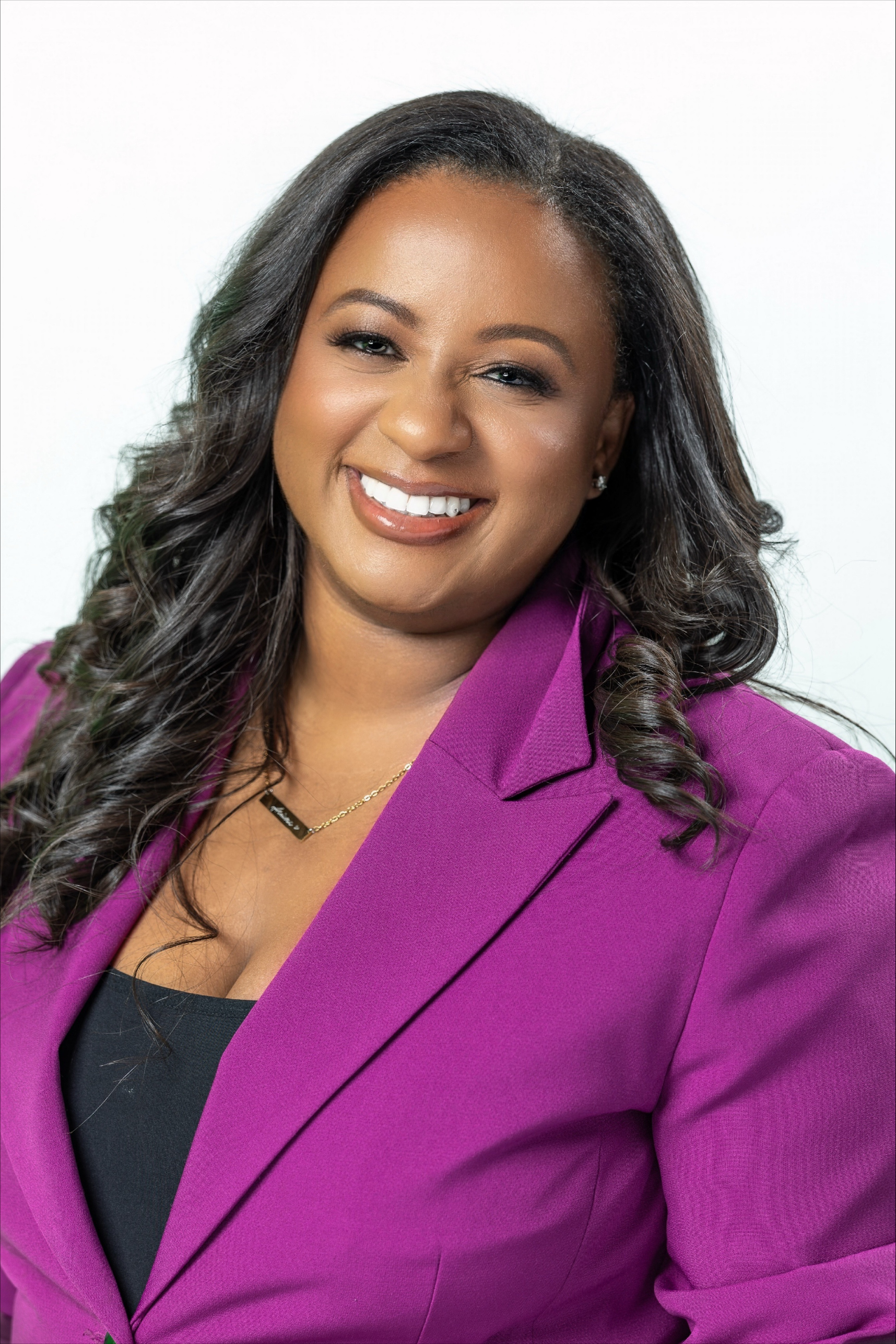
[00:00:32] Speaker B: Before Hollywood and Catchy was working the trading desk at the Federal Reserve, stabilizing the banking systems by day, writing and directing plays in New York and Philadelphia by night. When she finally follows her dreams in TV and film, she found her stride writing and producing on shows like Bones, the Resident and Rosewood, always fighting for authentic stories in the writer's room and on set. Today, she's the creative force behind culture shifting hits like All American Found and All American Homecoming. And she's made history as one of few black women ever to have three shows running on one network at the same time. This conversation goes deep into what it takes to build, protect and run a show from the inside and what it means to do it. As one of few black women ever trusted with that much power in the industry, I'm your host, Ariana Drummond. Welcome to NACP Inside the Industry.
Welcome and catchy to NAACP's Inside the Industry. Thank you so much for being here today.
[00:01:31] Speaker A: Oh, my God, thank you for having me. I'm so excited.
[00:01:33] Speaker B: Of course. I know as a fan of the franchise and All American, I'm super excited to just dive into the final season, but I definitely wanted to a allow our listeners to like, just get a inside look inside your life and inside that beautiful mind of yours.
[00:01:49] Speaker A: So it's messy in there, but sure, I love it.
[00:01:52] Speaker B: So I was doing some research and I learned that you have a master's degree in international economics and that you worked at the Federal Reserve while simultaneously writing and producing plays in New York, which is absolutely incredible to be doing that at the exact same time.
At one point in your life, did you look and say that I want to do entertainment full time?
[00:02:13] Speaker A: I actually, I knew it as a child. I pretty much. I went to boarding school in England. I was introduced to Shakespeare around seventh grade and that film flipped a switch immediately.
I was very obsessed. I always say everything people need to know about me is my equal obsession with Shakespeare and Buffy The Vampire Slayer. I know they don't go together, but they kind of do.
[00:02:35] Speaker B: Okay.
[00:02:35] Speaker A: But that was what really introduced me to theater and plays and the power of the written word.
And so I knew at a young age that I wanted to be entertainment. But I also come from a traditional Nigerian family, I was gonna say.
So that conversation went a little bit differently at home.
[00:02:52] Speaker B: And.
[00:02:52] Speaker A: And I was like, okay, Dr. Banker, lawyer, got it.
And I loved economics. I was good at math, I was good at economics, and I actually genuinely enjoyed it. And so somewhere in the back of my brain, I was like, okay, I will go to college. I will do economics. I will make sure I have a skill set. But I knew I wasn't gonna give up on the dream. So even when I was in college, I was part of the African American Arts Alliance. I was doing plays in Philly. And then when I got the job at the Federal Reserve bank of New York, part of the reason I wanted to be was because of the theater scene, so that I could sort of, you know, I was 21. I'm like, who needs sleep? We can, you know, work this all day by day. By night I'm gonna go produce plays. And that's pretty much what I did.
[00:03:36] Speaker B: So does your background in economics influence in any shape or form the way that you like, showrun your projects at all?
[00:03:44] Speaker A: Oh, 1,000%, I think, just having been in corporate America. I was in Corporate America for 14 years before I transitioned to the industry. And just having that experience in managing staffs, sort of the like, HR component, the CEO running a mini corporation component of being a showrunner, that it helped me transition back to that side of my brain. Because so much of showrunning isn't just the writing and the creative side. It is managing a staff of 150something people. It's being a decision maker, it's working on the budgets with the line producer, it's understanding the numbers and. And what will allow you to cut the budget in the most efficient way, Things like that. That whole side of my brain, thankfully, was very well warmed up from my time in corporate America.
[00:04:32] Speaker B: So how did you make that transition from writing and producing plays to working in television? What was that journey like?
I heard that.
[00:04:42] Speaker A: Listen, I was always doing theater. I never stepped away from theater. So while I was working at the Federal Reserve, while I was getting my master's degree in international economics, the whole time I kept doing theater, and I loved theater, but my true passion was television. I was obsessed with tv. I watched everything under the sun, and I just I loved the immediacy of feeling like I could connect. I still watch General Hospital. Till today. Till today.
And I, like, save it on my dvr, which makes no sense. Cause I can just get it on Hulu or my husband's like, can we free up room? Nope. I need to know.
[00:05:18] Speaker B: Honestly, not.
[00:05:19] Speaker A: Absolutely not. I'll get to those episodes.
[00:05:20] Speaker B: I was a young and a restless girl. So I'm like 100%.
[00:05:24] Speaker A: But there was just this thing. And so I knew I wanted to get into TV somehow, but also knew I couldn't afford to go to school to sort of learn the craft. And so I stayed working at the Federal Reserve and sort of put my. Created my own masterclass, if you will, for myself. So I would spend my vacation days doing background work on sets so I could meet crew members to understand their position.
[00:05:49] Speaker B: That's smart.
[00:05:49] Speaker A: So sometimes, you know, you'll see sometimes that background actors on set, they're really sort of trying to get their break. They're trying to get a couple lines. They're trying to get in front of the camera. I'd be a crafty with the boom mic operator. Like, what's your job?
How does that fit into the. You know, I'm with the grip. Like, okay, so how are you different from this grip? And what do you do and how do you help the camera department do this? I just really wanted to learn everything I could about how a TV set operates and how that machine works. I love that. I would sit in the back of acting classes and see how sort of the acting teacher and the actors worked together. Cause that would help me write dialogue. And it's also how I met so many of the actors that I still work with till today. Because I would approach them after class and I'd be like, hey, I'm shooting a short film in Simi Valley this weekend. Like, here are the sides. Like, would you be in it?
And that's really how I ultimately transitioned into the industry. I would pull crew members I'd met from during background work, actors I'd met from sitting in acting classes. I would shoot short films. And then, thankfully, some of their short films did well on the film festival circuit and ultimately landed me my literary manager.
[00:06:58] Speaker B: So do you think your experience in theater impacts the way that you work in the writers room at all?
[00:07:05] Speaker A: I think it does in that in theater, everything is. Is. Is immediate.
Right. Like, you're not re. There's no cut, you know, back to one. Like, we're going to do that scene again. It really teaches you to sort of live in the moment and be present. And I think I sort of. I bring that to my sets. And then also, you know, when you're writing plays for theater, you workshop them. You workshop them, you workshop them. You rewrite them. You rewrite them. So coming into the TV space while the time is narrow, I am never afraid of a rewrite. In fact, I've learned that Covid taught me that there is nothing I cannot rewrite my way out of.
And I think part of my comfortability with that process and how often we might need to rewrite or change a scene on the spot comes from sort of coming up in that theater world where you're constantly workshopping your plays and rewriting and making things better.
[00:07:57] Speaker B: So outside of, like, the rewriting portion, is there anything that you miss about the theater that maybe television doesn't give you?
[00:08:04] Speaker A: You know, what the.
Like, it's not even necessarily the impromptu ness, but it's the living and having to adapt in the moment.
[00:08:13] Speaker B: Yeah.
[00:08:14] Speaker A: Once the play starts, the play is starting.
[00:08:15] Speaker B: Like, it's done.
[00:08:16] Speaker A: It's done. And you're gonna make your way to the end of the play. Some way, shape or form, no matter what is happening in that theater. And that living in that moment and being so present so that you can sort of adapt to anything that happens in the moment that I miss. Cause, you know, on a TV set, you're like, cut. Okay, let's go back. Let's try that again, you know, or you said the wrong wor. Or, you know, something happens in the moment. You're like, oh, I love when you do that. Let's do that again. In theater, you respond in the moment.
[00:08:46] Speaker B: Yeah, that's it.
[00:08:47] Speaker A: And there's something that's just exciting and invigorating about that that I. That I do miss.
[00:08:51] Speaker B: I love that. So I want to pivot for a second to maybe your earlier work on tv.
I know your first TV credit was a writer and producer on Bones Rosewood and the Resident. What were some of those early experiences like for you in the industry?
[00:09:06] Speaker A: You know, it's funny because I didn't come up in the industry so often. You know, you'll meet writers who were assistants first or they were a showrunner's assistant or a writer's assistant. They worked their way into the room. The first day I ever sort of drove onto the lot and stepped foot in the writer's room was my first day as a writer.
[00:09:23] Speaker B: And girl, woo, baby, let me tell
[00:09:26] Speaker A: you, like, I consider myself a reasonably confident person, but the way I was Hyperventilating because I was like, oh, am I going to say the wrong thing?
[00:09:34] Speaker B: Or.
[00:09:34] Speaker A: Or like, what? What should I pitch? What shouldn't I pitch? Like, am I going to get fired? Like, it was a whole thing. And I literally quit my job at the Federal Reserve when I got staffed on my first show.
[00:09:46] Speaker B: That's crazy.
[00:09:47] Speaker A: So I resigned from the Fed. I found out I got my first staff writer job on like a Friday.
I went into work that following Monday, resigned from my job at the Fed. I gave them two weeks notice, left, and then a week later I started in the writer's room. And so I was so nerve wracked about how my skills would translate or kind of what I was supposed to do. And it was such an unknown entity to me. And I'll never forget my mentor, one of my mentors, the great Gina Prince bythewood, gave me such a great piece of advice. Cause I called her and I was like, I'm about to stop on my first show and I'm freaking out, blah, blah, blah, blah. And she said to me, she was like, as a staff writer, you have no control whether that show stays on the air or not. That is so above your pay grade. That is so being dealt with at another level. She was like, your job is to go in there and to make sure if the show gets canceled, whenever the show runs this course, all those higher level writers in there who have overalls, who are creating other shows, your job is to make sure they're fighting over who gets to take you with them to the next show. She was like, that's your job. And when she said it like that, suddenly a calmness sort of set over me. Cause I was like that I know how to do, I know how to work hard, I know how to be a valuable member of a team. All of that stuff came from corporate America. And so I was like, once she put it that way, I knew I was gonna be okay, whatever that looked like.
And then I was just really blessed to work with great showrunners right off the bat. You know, Hart, Hanson, Stephen Nathan, Todd Harthan were showrunners I worked with early in my career. That really shaped the way that I approached not just my writing, but also the way I treated my colleagues, my staff, the way I ran my shows.
I was really blessed not to step into one of those horror stories situations. I worked for showrunners who really respected my opinion that didn't care whether I was staff writer, writer's assistant, co ep, best pitch wins. And I really took that with Me into the rest of my career.
[00:11:47] Speaker B: So, Amin, I know that you talked a little bit about your writing experience, but talk to us a little bit about your, your work as a supervisor. I know that you were working on Rosewood, starring Morris Chestnut, but what were those experiences like for you?
[00:12:00] Speaker A: You know what, it was great. I swear, I feel like everyone's gonna be like, girl, she lying. Like, there has to be some. But I truly, truly worked on some incredibly blessed shows. I mean, you wanna talk about Morris? Morris is the consummate, consummate number one on the call sheet. Like, great human being, great actor.
And so on those shows, even as I sort of ascended the ranks and was put in under, you know, I was given more responsibility.
I was partnering with people that was such great leaders themselves that I felt like I really had this sort of amazing opportunity to learn on the go. Yeah, you know, if something came up on set, Morris would literally be like, no, no, let me talk to them. I got it. Like, you know, like, it's one of the actors. Like, let me just have a conversation with them. And if that doesn't resonate, then you can, you, you know, you can go down and, and have a follow up conversation. And I wouldn't need to because everyone respects them and they'd be like, oh, my bad. I didn't realize X, Y and Z. And it was handled.
And so, yeah, those were, they were just really amazing experiences. And also for me, there's nothing I love more than working with other writers. It is why I'm in television. It's why I love writing for tv, the collaborative environment.
So having younger writers come up under me and really sort of having an opportunity to, to show them that sort of collaboration in a healthy way.
I was blessed to be able to do that for several years across all of those shows. And it meant a lot to me. And a lot of those writers are still friends of mine. They're writers I hire, they're my mentees. Like, we really sort of formed families everywhere we went.
[00:13:35] Speaker B: I love that. And I mean, I wanna pivot for a second. Cause I know that you mentioned that Gina kind of gave you your first piece of advice when you kind of started in the writers room. And do you have any piece of advice for anybody who maybe just can't seem to find an entry point in this industry and working? I know every, you know, everybody's journey is different, but maybe a little piece of advice from you.
[00:13:55] Speaker A: My advice is don't give up.
Do not, do not give up. Like, everyone deserves the right to Pursue their dream. And it is not gonna be easy. But honestly, nothing is. And I think this industry is cyclical. This industry has its moments of. Of expansion, its moments of contraction. This industry has its moments when, you know, if you're a writer of color, that's a good thing. And it has its moments where if you're a writer of a color, you know, maybe that works. That works against you. But don't give up on the dream. The beautiful thing about there being so many different paths to get in here, you know, in my writer's room, I started having never worked in the industry, and my first job was as a staff writer. I have other writers in my room who had careers as lawyers and all of those things, and then they became assistants and worked their way up. I have writers, all of us, who came in through diversity programs. Everyone had a different path into the room. And so I say that to say there's a path for everyone.
And just because one path may not be your path doesn't mean you should stop pursuing the dream. In all full honesty, I didn't get into any of the diversity writing programs I applied to when I was first starting out. I did not get into a single one. And for a second, I almost let it make me think that this wasn't the industry for me. Like, maybe I actually wasn't a good writer, or maybe I didn't have a good grasp on creating worlds and everything. And then I stopped, and I was like, well, no, because it's in my heart that this is what I'm supposed to do. I know that this is why God put me on this earth. It just means that is not my path. So when that door closed, I was like, all right, let's find a window. Let's find a crack in a wall. Like, I don't care what it is. Like, let's find our way in. Because I knew this was what I was passionate about. I knew there was nothing else I wanted to do, and I knew it was what I was put on this earthboard, that it was the gift God gave me. And so don't let someone's. No. All it means is that path wasn't for you. It doesn't mean the industry isn't for you.
[00:15:49] Speaker B: Exactly.
[00:15:50] Speaker A: And so especially right now, where things do seem tough and especially for.
[00:15:54] Speaker B: For a lot of people.
[00:15:55] Speaker A: A lot of people, you know, there are less shows, There's. There's smaller writers rooms. All of these things. Do not let it deter you. Create your own projects. You know, if anyone who has a cell Phone can get lenses and, like, you can shoot your own projects. Put it up online. Don't let anyone stop you from living your dream.
[00:16:12] Speaker B: And I definitely want to. We have a few questions about just breaking into the industry and advice. But what I really love what you said about just community. And I know that you started your black women who brunch, which started with 12 writers in your living room in 2014, and now it has over 270 members. What made you decide that the industry needed that specific kind of community? And what has that network meant for writers who didn't think that they would make it without having something like this in their lives?
[00:16:41] Speaker A: You know, black women who brunch came from Lena Waithe, who's a very good friend of mine, and Erica Johnson, who's another good friend of mine. The three of us, we were baby writers. In fact, I think Lena was a staff writer, I believe. Yeah, Lena was a staff writer.
Erica, I believe. I think she was an executive story editor, and I was an executive story editor. And we just felt like often we would hear in the writers rooms, well, meaning people would refer to us sort of as unicorns. We were usually the only black writer in the room. Yeah, we were definitely the only black female writer in the room.
And so. And often they'd be like, oh, well, you know, we just can't. You guys are unicorns. We can't find people like you. And we'd all each heard this in our respective rooms on multiple shows we'd worked on, and we just knew it wasn't true. I was like, I know other great black female writers, like, as much as, like, thank you for calling me a unicorn. But the truth is, like, there are a lot of dope, talented black women out there. But then when they would be like, like, who? I realized I couldn't, like, drop a name immediately. And so I was like, okay, I can't criticize them for not knowing who these people are if those names aren't rolling off my tongue either. And Erica and Lena very much felt the same. So we were like, all right, here's what we're going to do. Look, we're gonna form a group. You bring the couple people you know, I'll bring the couple people I know. You bring the couple you know, and then we'll all just meet at my house, and then we'll encourage them to bring the ones they know and start to build this network. And so, yeah, the first meeting was 12 of us.
And then over the years, that just started to grow, and it was Amazing. Because suddenly when people were like, well, I can't find, you know, adult black genre writer, I'd be like, oh, word. Because I know latoya Morgan, or, you know, I know this person, I know that person, and refer them for jobs. Or if someone was like, oh, I really, really would love you to come staff on something. And I was already staffed, and I'm like, I'm not available. But, you know, who is? You know, Erica Anderson. She's dope, and she writes really great, like, you know, character and blah, blah, blah, blah, blah. And suddenly we could recommend people and not only recommend them by name, but recommend them by strength.
[00:18:49] Speaker B: Yeah.
[00:18:50] Speaker A: And the group just started growing from there. And then, yeah, we blinked.
We did like, a Hollywood Reporter photo shoot.
And I think at the time, there were maybe 190 of us for that photo shoot, and we were the largest ever photo shoot.
[00:19:04] Speaker B: Man, that's incredible.
That's incredible.
[00:19:06] Speaker A: And we just, the three of us, just kind of looked around that shoot and we were like, wow, this kind of became something.
[00:19:12] Speaker B: Yeah.
[00:19:13] Speaker A: And it's everything from staff writer to executive producer so that we would have those opportunities for mentorship. It wasn't just about, you know, bringing in writers at our level. It was about honoring the greats. Right. The Janine Sherman Barwa, the Yvette Lee Bowsers, people like that. It was about showing the staff writers that they also had access to the advice and mentorship from all of us across all the levels. And so, yeah, the group kind of expanded.
And then we looked up and it was 270 people. And we were like, okay, wait, like, look, because.
[00:19:46] Speaker B: But that's. I mean, just the fact that you guys thought about doing that and it wasn't a crab in a bucket situation. It's like, no, I'm gonna uplift the next person. Person. Like, I'm gonna do what I need to do to, like, uplift the next person. The next person. But I mean, I think you also bring up a good point about, like, the importance of just representation both behind and in front of the camera. There are so many limited opportunities. And I want to know if you feel a certain responsibility in the position that you are in now to kind of bring up that next generation of talented individuals that are coming behind you.
[00:20:21] Speaker A: You know, it's interesting because I always hesitate on that word, responsibility, because I feel like it makes people feel like it's something they have to do, even if that's not in their heart.
I do it not because I feel I have a responsibility to do. I Do it because it is legitimately something I believe in. I believe in mentorship. I believe in bringing up the next generation of voices. I believe I am not the smartest person in the room. I believe I'm really good at picking the smarter people in the room to surround myself with. Right. And also, like, as a fan of tv, I want to hear their stories. I want to hear their voices. There's so much I don't know or don't have an expertise in or don't have a lived experience in that. No amount of research in the world is going to make it feel authentic. And why would I not help that writer who has that story and that voice come up? I'm here because people reached back and helped me. I'm here because the Gina Prince Spicewoods, the Janine's, the Yvette Lee Bowsers, like, all of these incredible women, Zoann Clack from Grey's Anatomy, like, all of these incredible women made time and space to help me get my foot in the door. And it is just part of my makeup that that is what we should continue to do in life, period. Not just in the writers room, not just. But just in life. We should be moving forward in a way that leaves the world a little bit better for the generation that's coming after us.
[00:21:49] Speaker B: I love that. And so what do you think the industry could be doing to really create a space for more black women? Be able to lead both behind and in front of the camera? Or, like, is there anything that comes to the top of your mind that the industry should be or could be doing?
[00:22:03] Speaker A: I mean, honestly, there's always so much this industry can be doing. We keep taking sort of these three steps forward, two steps back. And over the long term, maybe the optimist in me, who also believes in unicorns and gummy bears and rainbows and all good things, believes that the progress is happening. It's slowly but happening. But we have to continue to do that. And not just. I think sort of one of the biggest areas is for the gatekeepers, for there to be representation also at the gatekeeper level. So the development people who are deciding who are buying the shows and deciding what lands on the air, like, we need more Chica Chukwellu. We need more amber raspberries. You know what I mean? We mean more Tara Duncans. I think more representation at that level allows for sort of a bigger, more diverse view of where the stories can come from and the writers they're interested in hearing from. And I'd really love to see the industry continue to make advancements in that area.
[00:23:03] Speaker B: So.
[00:23:03] Speaker A: So that when I'm walking into a room and I'm pitching a show that's about, you know, a coming of age story in Baltimore, that the people I'm pitching to aren't just of, like one demographic or one lived experience, but I'm also pitching to people that sort of also have a breadth of lived experience and could suddenly see how. Oh, I see how that, in its specificity, could have universal appeal. Yes, that's the show we wanna do.
[00:23:29] Speaker B: Yeah, absolutely. And I want to talk about your experience, your projects. I mean, you've had a very broad range of projects that you've worked on that you've developed.
What calls you to those specific projects that you work on?
[00:23:44] Speaker A: Usually I have a very strong reaction to something that's happening in real life.
And I want to do something about it. And I've said in interviews before, but I believe sort of God gives us all a weapon to move through this world and make a difference with. And the one he gave me was my keyboard.
So, you know, for example, found came from the fact that I was very frustrated. Frustrated is a nice word. I was angry. I was very angry about stories I was hearing on social media, but not in mainstream news about a ridiculous number of black and brown girls who were going missing in the Tri State area, especially in the D.C. area. And no one was talking about it. And if they were talking about it, it was only within our community.
And then it was to combat people saying, well, those numbers can't be real and maybe they're runaways. And it was almost excuses, as opposed to the way, you know, we look for other missing people.
And there's a reason why we all remember names like JonBenet Ramsey. How many years has. How many decades has it been. Yeah, that name is imprinted on my brain. God bless. I hope they solve that crime one day soon. And may she rest in peace.
But how often can we say that about a black person or a brown person or an indigenous woman or someone from the LGBTQ community? We can't, because it doesn't go through that same news cycle. And so I got very angry about what was specifically happening with black and brown girls in the D.C. area and started to think, how can I enter people's homes and have this conversation in a way that won't feel like I'm judging them or beating them over the head, but hopefully in the process of entertaining them, maybe gets them to think a little bit differently when they see a missing poster? And that, honestly, was what found originated from doing research on sort of the trajectory of how we look for missing people in this country and everything.
The role that PR plays in it is how gay Gabby Mosley came to be.
And so. And that's kind of how it happens, you know, with All American Homecoming.
The whole All American franchise was truly, truly about wanting my sons to see their lives represented on the screen and understand that they are worthy of being the a story, not just the sidekick, best friend, but like your dreams, your aspirations. My son is an athlete. It was basketball, not football, but he is an athlete, and his D1 dreams were worthy of being something that people tuned into every night.
And so, yeah, the ideas for my shows usually come from a very personal place and from a very strong emotion I have about something that's happening in the world. And I kind of have something to say about it.
[00:26:44] Speaker B: And I love the fact that I feel like we definitely do need to be having more conversations just about black and brown women who are. Justice systems have failed. But did you anticipate that type of reaction and that type of connections that audiences had with that series?
[00:27:01] Speaker A: I'd hoped for it. I'd hoped for it. But truly, you never know.
Being such a TV fan, I always sort of say my barometer is, if I was watching this show as a fan and it makes me want to throw my shoe at the television, then I feel like I'm onto something. And hopefully that is how the audience would feel. And so, you know, Found.
The pilot for Found ends with a black woman revealing that she's been keeping her white kidnapper prisoner in her basement, that she flipped the tables on him. And that is a risque thing to put on network television. In fact, several times along the way, people like you sure like.
[00:27:42] Speaker B: You sure you want to do this?
[00:27:43] Speaker A: You sure this is what you want to do? Black woman's putting a white man in her basement. Are you sure you wanna reveal that in the first episode? You don't wanna give the audience time to ride with her for a while and then it's like, oopsie. And I'm like, no. Because the thing that is universal, no matter what color you are, no matter nothing, is, I promise you, every woman, no matter race, age, anything, every woman has at some point felt her space invaded or felt violated by an encounter with a man in some way, shape or form. Obviously, we did the extreme version. Unfound. And every woman, I promise you, at some point has had that revenge fantasy of man. I wish I could flip the tables, but we all have that thing in our brain that's also like, no, no. Kidnapping people's wrong. You know? No, no. Killing people's wrong. You can't.
[00:28:34] Speaker B: Then intrusive thoughts taking over. Okay?
[00:28:36] Speaker A: Intrusive thoughts. We've all had that sort of, like, revenge. Oh, I wish I could get. But then, you know, reality sets in, and it's like, no, no, we're good people. We don't do that. And so I knew that there would be a connection, especially with the female audience, to praise Jesus, she has flipped the table on her kidnapper. Like, clearly, Gabby needed therapy, and we were gonna take her on that ride.
And that's okay. We all do. That was part of that. That was also part of the sort of lesson of, you know, healing is important.
[00:29:04] Speaker B: Yes, healing is very important.
[00:29:06] Speaker A: But when we tested the pilot, when it was revealed that she had her kidnapper in the basement and at some point in time found him and flipped the script and was now using him for good, the response was like nothing I'd ever seen in a pilot testing, ever.
And then even the discussion with the people who came in for the testing, the audience who screened the pilot, it was literally like our hair was blown back by how passionate the discussion was around whether Gabby was right or wrong for what she was doing and whether you could forgive her for it. And if there was any redemption for a character. And these were the things I wanted people talking about. So we hoped that it would connect with the audience, because I stayed crying on my editor room floor, throwing things at my editor's monitor. Like, you know, there was. Like, you watched this. Like, you had nothing to do with it, and you're just watching it as a fan, and I'm like, sometimes I am. Like, sometimes I really do. Like, I forget I'm supposed to be giving notes. I forget I'm supposed to be given trims. And just as a fan of television, I watch it to be like, am I gonna be at home, like, jumping out of my bed? And if the answer is no, then we still have work to do. And if the answer is yes, now let's watch it again, and I can get my notes and actually do the process.
[00:30:18] Speaker B: I will say that it was such an incredible show, and I was really sad to see it end. But in that you were able to not only win. Well, you won several awards for that series, and including Image Awards.
What does it mean to be at a place where now you're looking at certain work that's not only shaping cult conversations, but you're also fortunately, winning awards for some of that stuff as well,
[00:30:42] Speaker A: you know, all of it is a blessing. We don't actually. Let me not speak for anyone else. I don't enter into it looking for the awards or the recognition.
For me, if it resonates with the audience and someone feels like they're moving just a little bit different in their life because of one of my shows, that's the reward. You know, on All American, when I would get emails from teachers telling us that they incorporated All American into the curriculum, and now the kids were showing up different in class and participating different in class, that's the reward.
When I hear someone tell me that they reconnected with their son, who they haven't really had a relationship with since their partner passed, that because of how we dealt with Billy's death on All American, now they're reconnecting with their child different.
That's the reward. That's why I do it.
[00:31:36] Speaker B: And speaking of All American, which, again, I've just been such a fan of for these last eight seasons, but I'm so sorry to hear it. You know, coming to a final conclusion, I know that you joined All American franchise as a writer and an executive producer and then went off to work on this spinoff, All American Homecoming. How did you come across this opportunity, and what were you most excited for day one? I know that you talked about doing a show that your son could resonate with, but what were you most excited for, honestly?
[00:32:06] Speaker A: So I had just signed my overall deal with Warner Brothers, and they gave me this script to read. It was an early draft of All American for a pilot that had been shot, and they were looking for people to help out in the writers room. And I had a pilot that we had just sold or maybe we were just about to sell.
That was sort of my priority. But they were like, hey, would you mind sort of reading this? Maybe helping out in the writers room?
And I read the script and immediately could sort of see the potential for the show and everything. But still, I was like, this is nice, but I'm kind of here to have this other project I'm super excited about.
And then I had a meeting with Greg Berlanti, who was one of the executive producers, the great Greg Berlanti, who's one of the executive producers on the show and one of my mentors and a very dear friend. And he was like, can you just watch the pilot? He was like, I promise I won't ask anything else of you. Just watch the pilot. Like, let me know when he's real slick because he knew what he had in the pilot. And so I came back the next day, I watched the pilot, and at the end of the pilot, I'm sitting in the room, I'm in tears, I'm crying, I'm rooting for these teens that I've just met. Like, Daniel Ezra was just unbelievable as Spencer James.
[00:33:20] Speaker B: Yes, he was incredible.
[00:33:21] Speaker A: I love him. He's incredible. His relationship with his mom, like, there was just so much in that pilot. I was like, oh, this is. This is special. And all of a sudden I could see all of these storylines. I could see where the show could go, I could see spinoffs. It literally all just sort of like washed over me as I was watching that pilot. And I walk out of the room and Greg's sort of standing there smiling. And I was like, you knew. You knew if I watched that pilot, I was gonna be like, where do I sign up? How can I help?
And then really, so do I. So I came on board in episode two.
And truly, it was just.
We had lightning in a bottle.
And all of a sudden it was sort of like we had these great stories we wanted to tell. We had an amazing cast of actors who were really elevating what we were giving them, and it was just sort of a no brainer. And so when they asked if I would take over as showrunner in that first season, at first my first thought was, okay, when? Like, how much time do I have to. And they were like, yeah, tomorrow, like now, Like, Nat. And I was like, and we hadn't even premiered yet. Like, we were still early in shooting the first season. And I sort of had this moment of hesitation and my husband was in the background. Cause I was on the phone and he's like, yes, just say yes.
[00:34:31] Speaker B: Just do it right.
[00:34:32] Speaker A: This is what you said you wanted, right? You want to be a showrunner and everything. And I was like, okay, I have no idea what the next few months are going to look like. But yes, because I wanted the show to have the best shot possible because I knew we had something special and I just wanted a chance for it to get to air and for people to see it. And the rest was history.
[00:34:52] Speaker B: I mean, and again, coming from a. And not only did I resonate with All American Homecoming, but just all American in general, because I came from an hbcu and I just, I was like, we really don't have shows like this on television. And again, for you guys to be doing this for eight seasons is incredible. Thank you. I mean, what has your journey Been like or what have you loved most about this journey of being on this season for or being on this series for eight season?
[00:35:18] Speaker A: Oh, my gosh. There's so much. There's so much. I can only imagine the reason why I did All American Homecoming was because I never got a chance to go to an hbcu. True story. Never got a chance to go to an hbcu. I went to boarding school in England. Didn't Even know what HBCUs were until I came to the States. And I was already enrolled in college. And so I was like, man. And everyone around in my family, my cousins went to HBCUs, my sister in law, HBCU. My brother in law HBCU. Like, I'm so surrounded. My manager HBCU. Like, I'M so surrounded by people who have lived this beautiful, amazing, unique HBCU experience. Girl, full jealousy. I was like, man, if I could go back to college. And so I created Homecoming. Cause I wanted to go back to college. I love that. And have the HBCU experience. And God bless. I was like, you know what? I'mma create my own hbcu, okay? And we're going to attend it every week together.
And that is why I created All American Homecoming. I wanted to do a show that gave our female tennis players their flowers. I wanted Serena and Coco and Naomi and everything to get their flowers for people to truly understand what it takes to ascend to the levels they've ascended to.
And that is why I sort of wanted to take the Symone character and tell that story. And also, at the time, my son was a baseball player, and I was very hyper aware of how little representation there was in baseball because it sort of felt like we were being priced out of the sport. And I wanted to honor the history of the Negro League and I wanted to honor the history of this sport that I was forced to learn because my son loved it.
And so all of that came together. And then I chose the setting to be an hbcu because I was like, I'm a go to my hbcu. I still wear the Brinkston Swag everywhere I go. And people are like, oh, where's that university? And I'm like, in my head.
[00:37:13] Speaker B: What did you say? In my head.
[00:37:15] Speaker A: It's on Netflix.
But yeah, so that was kind of why I did it, because I wanted to honor that experience and truly celebrate us and educate a little bit about why those institutions existed in the first place and what a beautiful option they are for our kids.
[00:37:34] Speaker B: And then also, I mean, as it's coming to an end. I'm sure you're having all the feelings,
[00:37:38] Speaker A: all the feels, all the feelings, girl. All of them.
[00:37:41] Speaker B: I can only imagine.
So, like, as you reflect again on seasons one through eight, how are you feeling about the series coming to an end?
[00:37:50] Speaker A: You know what? There's so many feelings. I think the predominant one is pride. You know, I'm really proud of what we accomplished, both on camera on the show, but also behind the scenes on the show. Yeah, you know, the whole heart of the show is truly about, you know, our young black youth and their dreams and what it takes to achieve their dreams. And, yes, they're gonna be obstacles and everything in the way, but you don't stop dreaming and you don't stop being you in the process of, like, achieving your dream. And that's something we were also able to accomplish behind the scenes on the show. We had assistants become writers, become producers on the show. We had DPs become directors on the show. We had gaffers become DPs. You know, assistants become writers and, you know, co executive producers. It. It just. If there was. If there was a. Our rule was, if there was someone on the show who had a dream and it was within our ability to help them achieve that dream through the show, we were going to try to do it. That's beautiful. It's how Danielle Ezra ended up directing on the show and really being able to achieve his dream of becoming a director. And like anything he does, the boy's ridiculously gifted at it. I'm like, what can't you do? I'm like, you know what? Stay out of the writers room. Let me have my moment.
[00:39:01] Speaker B: Okay?
[00:39:02] Speaker A: But that is one of the things I'm most proud of with the show. And then also just that we were able to take this ride together. You know, 90% of our crew is the same crew from season one. Oh, wow. Truly.
And, you know, for the first six seasons of the show, all of the cast sort of being together and then, you know, being able to bring in a new generation to meld with the old generation for the last two seasons, just being able to see the impact the show has. There's a lot of pride. There's a lot of grief when you say goodbye to something. Of course, you know, we're really proud of the way we ended the show, but the reality of, oh, I'm not gonna show up to work. Like, I drive onto the lot, to my offices, and I'm like, dang, I'm not gonna run into the crew I'm not gonna see my work family, who we spent hours, hours. Sometimes more time than you're spending with your actual family and knowing you're not gonna see them every day. There's a mourning and a grief with that. So, you know, that's part of it as well. But honestly, we're just. I'm grateful. Grateful for the eight years. Grateful for the support that our fans gave us. Grateful for the trust that my cast and my crew and my fellow writers and my fellow producers had in me. It's the girl. It's all the feelings. Like, I cry on a regular basis. I'm not gonna cry right now. Cause I put a lot of effort into my message.
[00:40:20] Speaker B: Amen.
[00:40:20] Speaker A: Okay, but so there's just so many feelings, but pride and gratitude, predominantly.
[00:40:26] Speaker B: I love it. And also, what I loved about this series, it really tackled some difficult issues that I feel like center and affect the black community with young people and student athletes. What do you hope that the legacy of the show will be?
[00:40:43] Speaker A: That's such a good question.
There are a couple things. One, I hope the legacy of the show will be that our youth believe that their dreams are worth dreaming and they're worth pursuing. I hope that part of the legacy of our show is that when people are out in public and they see a young black boy walking down the street or a young black girl walking down the street, as opposed to fear and anxiousness, which may lead them to respond in a certain way. That they see Spencer James, that they see Simone Hicks, that they see, you know, Laila, that they. These characters that they've resonated with and welcomed into their home every week, that they now translate that to how they interact with our youth out in public.
You know, I hope the legacy of the show is that dreams are possible both behind the scenes and through the show itself. Yeah.
[00:41:43] Speaker B: That's a beautiful sentiment. I love that.
[00:41:45] Speaker A: Thank you, girl. It's true. Don't get me.
[00:41:47] Speaker B: Mm.
[00:41:47] Speaker A: Mm. Not doing that. Not today. Not today. Not today. Not today. Me and Maybelline was staying intact.
I love you so much.
Oh, my gosh.
[00:41:58] Speaker B: So do you think you've learned anything specifically maybe about yourself or about this series that you plan on taking to your future projects or plan on taking on to your future projects?
[00:42:06] Speaker A: Oh, my gosh. So much. So much, so much in how I collaborate on projects, because it really. TV really is such a collaborative medium.
And, you know, part of the. I'm not the smartest person in the room part of that came from me experiencing that in all American and Realizing, you know, the best pitch can come from anywhere. You know, one of the. I believe is really one of the groundbreaking moments on our show, which was the episode where in season two, where Spencer gets shot.
[00:42:39] Speaker B: Mm.
[00:42:40] Speaker A: That pitch did not come from me.
What I knew we were doing that season and sort of the directives I'd left with the writers room as we were moving through the season was, Spencer is going to quit football, and we are going to get him back to football by the end of the season. But it needs to be a real sort of obstacle. It needs to be a real journey. It can't feel schmuck baity. Like, it has to be real.
[00:43:00] Speaker B: Yes.
[00:43:02] Speaker A: And it was one of our younger writers who pitched, you know, he quits football. We keep saying there's this sort of, like, athlete halo that exists in the hood that, you know, they don't touch the ones that they know are destined for greatness. These athletes are destined for greatness. If he quit football, the halo goes with it. So they were like, what is the truth of that situation? He's been beefing with Tyrone.
[00:43:23] Speaker B: Yep.
[00:43:23] Speaker A: You know, he's been beefing with some of the gang members in the neighborhood. Like, once that halo's gone, it's like,
[00:43:30] Speaker B: look, anybody grab for anybody.
[00:43:31] Speaker A: Grab me. Exactly. Exactly. And so. And I remember when I was pitched that moment and I sort of stopped, and I was like, we're gonna shoot our lead. That is so brilliant, because you realize you never want something more desperately than when it's taken away from you.
[00:43:48] Speaker B: Yes.
[00:43:48] Speaker A: And what the shooting did was he quit football out of pain from his father's death, out of a lot of, like, angst and trauma that he hadn't dealt with. And then all of a sudden, before he had a chance to really process any of that and find his way back to it, now it was being taken from him in that his arm may not work the same after the shooting.
Nothing motivates you more than something like that. And that pitch didn't come from me. That pitch came from one of the younger writers in the room. And so I think that's one of the things that I really, sort of the last eight years across this show, Homecoming found, all of them is truly embracing that collaborative nature of tv because it just makes us better. It makes the show better.
[00:44:27] Speaker B: I love that.
To your point, collaboration is truly important because it's just a way to get different perspectives on stuff, different ideas that you wouldn't have thought of.
[00:44:36] Speaker A: So different lived experience, experiences that then feed into the authenticity and the truth. Of the show.
[00:44:41] Speaker B: Absolutely, 100%.
I definitely want to switch gears for a second and just, I mean, we've talked about your successes with all your various shows, but I also want to take a moment to talk about maybe when things didn't quite work out. Was there ever a rejection or a canceled project or maybe a setback that ended up becoming maybe one of the most important turning points for your career?
[00:45:04] Speaker A: Every pilot that doesn't get greenlit, you know, I climb into the tub in the fetal position. I'm like, ah, my career's over. And then I, you know, eventually run water, and then I get out and I regroup, and, you know, you keep it pushing. But I think, you know, truthfully, the found cancellation surprised me too.
[00:45:20] Speaker B: Me too, everybody.
[00:45:23] Speaker A: And, you know, I've had shows end before, and you sort of, you know, you say goodbye, you mourn it, you move on. I'm still processing that cancellation and. And it's been off the air for a minute. I think. I was so blindsided by it. So I think that's one where I'm just like, oh, sometimes it really is out of our control and you can't stop doing the thing you do. So there's a piece of my heart that's still healing over the found cancellation, but in a way, it's also invigorated me to put my head down and keep creating and come up with new projects. And, you know, there was also one project I had. It was a pitch that sold.
This was before I got to Warner Brothers and the. And they ended up not green lighting the pilot, and it ended up not moving forward, but for some reason, there was something about that pilot that just made me realize I'm like, oh, it might just be time for a change, a change of the partners I'm working with. A change of being somewhere where I felt like I would be seen not just as this sort of like baby writer who'd come up the ranks and had become a really good sort of soldier, but someone who was really a world creator.
And it was after that experience that I ended up going to Warner Brothers and sign in a new overall with them. And that trajectory completely changed everything that brought All American. It brought all American homecoming. It brought a great producing relationship with Berlanti Productions.
It's where I ended up launching my own production company, Rock My Soul Productions. And so that decision to pivot at that point and not stay where I was and actually sort of for the first time, because I'd been there for seven years before I left that studio and went to Warner Brothers and just the idea of stepping out into this crazy industry and sort of taking my shot to see what else was out there and who else responded to my writing was nerve wracking. But again, it was one of those things where I felt like God was saying it was time. And that decision led me to Warner Brothers and sort of changed the trajectory of my career.
[00:47:41] Speaker B: I love it. So, I mean, just speaking of pivoting, are there any projects that you're working on that you're excited about? Anything that maybe you can talk about at all or anything on the horizon that we can look forward to?
[00:47:51] Speaker A: Okay.
[00:47:52] Speaker B: Ooh, let's.
[00:47:52] Speaker A: There's lots on the horizon for everyone to look forward to. I will say that in terms of what I can discuss, there is a project that is in development with Onyx right now that is a coming of age story loosely inspired by Governor Westmore's book, the Other Westmore.
We've created sort of this fictional show that's loosely inspired by that. Super excited.
[00:48:18] Speaker B: Congratulations.
[00:48:18] Speaker A: Thank you. To be developing that with Onyx. And so that's on the horizon. And then, you know, we have a couple. Couple other things that we can't discuss yet, but have had my. My head down. My way of processing the world is just put my head down and create and write. It is my therapy. And so there's been a lot of that happening.
[00:48:36] Speaker B: What you say, A lot of therapy. I love it. No, and to your point, I. Well, I appreciate you so much for sharing that. Even if it's a little bristle. I appreciate it. Thank you so much for doing that. I want to pivot for a second and just talk about, like, you battling out in the pitch.
I know that you had to convince maybe several times about, you know, pitching your show. So looking back, what's one thing that you wish someone had told you when you first got your first show running credit?
[00:49:03] Speaker A: You know what, Actually, I'm glad for what I wasn't told.
And that's because for me personally, actually, I think it's better. I have this.
It's not even fight or flight. I have this thing in my brain that, like, when things get very sort of like adrenaline high and it's like our backs are to the wall. So, you know, things like Covid, things like, you know, a show is about to be shut down. Things like that. Yeah. My brain kicks into another gear.
And in a way, not being able to anticipate those things happening and having to train myself to respond in the moment, I think makes Me, the showrunner I am. So in a way, I'm glad for the things I wasn't told because I don't know if I would have stepped in the door if I had, obviously. I don't know if I'd moved to la, if I had anticipated how tough it would be to break into the industry and just kind of how much work I would have to do sort of of my own, creating my own projects, finding opportunities to put my own voice out there to educate the industry as to who I was. Because I was just some girl from the Federal Reserve. They didn't know me. I didn't come up in the assistant banks. I didn't come up through their workshops. So you know what I mean? Like, sort of surmounting that hurdle of, like, showing them your voice and figuring out how to do that. I think if I'd known how tough it was gonna be, I may never have left New York and come to la. And so, in a way, I like what I don't know, because the path I walked is the path that I was meant to walk, because I think it makes me the writer I am today. I think it makes me the showrunner I am today. It makes me the colleague I am today. And so, yeah, that's my spin on that question. I'm actually grateful for what I didn't know going into it because my brain kicks into a different gear when it has to figure it out.
[00:50:55] Speaker B: Yeah. And I know earlier you talked about just being a mother and just balancing work and motherhood.
What do you think that motherhood has taught you about yourself and about the way that you work professionally?
[00:51:07] Speaker A: That I'm more patient than I thought.
Listen, nobody is gonna try your patience more than children.
[00:51:12] Speaker B: Yeah.
[00:51:12] Speaker A: Especially.
Especially young ones.
But in a way, I was able to bring.
Bring that into my showrunning. You know, our cast in All American Half of them could have been my kids. Like, you know, like, I'd have had them young, but they could. They could have been my kids. And so there was a. There was very much a mothering that I brought to my showrunning on that show and on Homecoming. Like, they. They were my little brothers and little sisters. They were, you know, and so I. I think being a mom allowed me to sort of bring part of that patience, empathy, grace to the table as a showrunner that maybe I wouldn't have had. Had I not had kids. It also makes you more efficient with your time.
[00:51:56] Speaker B: Yes, it does. It does.
[00:51:58] Speaker A: And, you know, and I kind of had to figure out personally, as A wife, as a mother, and as a showrunner, I had to figure out the balance that worked for me and my family. And I had to stop comparing myself to what the world sort of said working moms should look like.
[00:52:16] Speaker B: Yeah, yeah.
[00:52:17] Speaker A: And what working wives should look like. And I give a lot of credit to my husband for being like, why are you being so hard on yourself? Like, we're good. Did anyone in this house say they're not good?
And really, sort of we would have our. We call them State of the Union meetings, where we would have these family meetings and just sort of check in, like, are everyone's needs being met? Is mom showing up enough here? Am I dropping the ball here to sort of calibrate and find the balance that worked for my family?
And that was the most important thing. And it's something that I share a lot with. When I run into other fellow writers who are moms that are sort of worried about, like, the balance, I'm like, don't worry about the outside world. That's noise.
You, your family, your partner, your kids, you guys figure out what balance looks like for you. And that's the only truth you need to honor.
[00:53:02] Speaker B: And then talk a little bit about, like, I mean, you said, thank God for supportive husbands and supportive kids and families in general. Talk to us a little bit about how important it is to have that support system in your life.
[00:53:13] Speaker A: For me, I. I would not be here without it. I. I say it 150 times, and my husband's always like, yeah, yeah, yeah. But truthfully, but no, really, I would not be here had I not had my husband by my side every step of the way. Like, I moved to LA, married. We got married young. We were married at 25.
And so when I made the move to LA to pursue this, he was right by my side. And the number of times where a setback or a closed door or a rejection or a denial would sort of make me question if this is what I'm supposed to be doing. And he would be there to keep the faith when I come.
He would be there to remember the moments I couldn't where he's like, no, you're absolutely on the right path. Your blessing is around the corner. I can feel it coming. And just having someone in your life who can hold onto the faith when you can't. It's the same thing in my producing partners when we're trying to, like, wait to hear on another season of a show or I'll never forget a conversation I had with one of my mentors and producing partners who were like, I understand why you're nervous, and that's fine. So it's my job to hold the faith for you in this moment.
[00:54:19] Speaker B: Amen.
[00:54:19] Speaker A: I know you're gonna be fine. I know the show is gonna get another season. And I'm also here for you to call and do all the, like, what is gonna happen to us things. Cause I can hold the faith for you in this moment. And that's been a through line in my personal relationships, in my friendships, in my work relationships, is that I have a village of people who believe the way I believe and who can hold the faith in the moments where I can't. And I do the same for them.
[00:54:46] Speaker B: And I love that.
What I do want to conclude with is I feel like we talked a lot about the all American legacy, but when you look back at just the impact that you made on television and our culture, what do you want your legacy to be?
[00:55:08] Speaker A: That we.
Two things.
One is that we all have the power to make a difference.
Whatever your skill set is, there's a way to make a difference with it.
And then the second thing is if this little girl from Nigeria who used to sit in her living room watching American shows on VHS tape. Cause, yes, that's how old I am.
[00:55:35] Speaker B: Me too. Me too.
[00:55:36] Speaker A: If I could dream so big to want to be in this industry and be sitting here on this podcast, you know, at the NAACP bureau talking about the legacy of my shows, then of course you can. Of course you can.
So hopefully, that's the legacy of, like, this isn't out of reach for anyone, and definitely not for the little girls who look like me.
[00:55:59] Speaker B: Thank you for that. I really appreciate that.
[00:56:01] Speaker A: Of course.
[00:56:02] Speaker B: Well, before we wrap, I want to play a game with you. It's called inside your industry bag. Okay, it's not a bag, but it is a couple of questions to your left.
If you kindly just pull a prompt out and read the question and answer.
[00:56:16] Speaker A: Yeah, I'm that person in charade, and she does this. It takes from the bottom of the
[00:56:19] Speaker B: bowl and you're fine. And if you don't like it, feel free to grab another one.
[00:56:22] Speaker A: No, no, we're going to play this honestly
[00:56:26] Speaker B: again.
[00:56:26] Speaker A: Oh, here we go.
[00:56:27] Speaker B: Okay, okay, okay.
[00:56:29] Speaker A: Oh, See, this is one I still struggle with, and I've literally been struggling with the last couple of days. But I believe the answer I'm about to give, I'm just a work in progress.
So the question is, what's one thing people think matters but doesn't other people's opinion of you. Okay, it doesn't. But I understand how it can still impact you because you're human, right? And so someone can say something about you that's untrue or mean or whatever. And you know that. You know, but it's still. You're human and your heart still goes, oh, could I have been better in that moment? Could I have done something better? Is there any element of truth to it? And then ultimately you realize your truth. And you know, you know, my rule of thumb is if at the end of my day, the way I've moved through the day, I can lay my head down on my pillow and sleep soundly at night, then I'm good. Me and my God are good. And that's truly the only opinion that matters. Other people's opinion of you, you think it matters. And especially in this day and age where social media and the Internet makes it really easy for people to express those opinions, don't let it shake you.
[00:57:39] Speaker B: Well, thank you. And Kenji, I really appreciate you stopping by.
[00:57:41] Speaker A: My pleasure.
[00:57:42] Speaker B: Talking about all things American again. I'm so sad to hear it finally coming to an end, but I've enjoyed it thus far and you are just such an amazing, brilliant person and I really appreciate you just coming by and visiting us. So thank you.
[00:57:54] Speaker A: I truly appreciate that. Thank you. And you guys have always been so supportive of the show. We sincerely appreciate it and I love everything you guys do here and. And happy to come back anytime.
[00:58:02] Speaker B: Yay. We're excited to have it.
I hope you enjoyed today's episode. No matter where you are in your journey, we're here to be a resource. If this conversation sparks something special for you, make sure to, like, subscribe and share and drop a comment letting us know what conversations you'd like to see next. I'm your host, Ariana Drummond. See you inside the industry.